

Industrial plant cost-saving opportunities you may not have considered
Brent Mueller
June 11, 2026
4 min read
Search GE Steam Power
Upgrades
Your outcomes—delivered
These days, we're all trying to do more with less, but GE Vernova can help. Our upgrades and modernizations can help you get more from your existing assets. Discover the possibilities with our interactive upgrades selector.
Controls
Control Lifecare Services
Whether you need 24/7 technical support, live remote diagnostics, onsite field engineering, or parts management, we have you covered with GE Vernova's Controls Lifecare Services (CLS).
Podcast
Cutting Carbon - Season 9
Join Dr. Jeff Goldmeer, Brian Gutknecht, and special guests for the final season of our 3-part series as they discuss the roles digital and electrification will play in the energy transition.
Decarbonization in action
Explore the future of energy
See how GE Vernova's Gas Power business is helping to build a world that works.
In pin-pointing new ways to limit or reduce operating costs, have you looked at your power equipment lately? There are more cost-saving options in those assets than you may realize… this is where we can step in and help.
My team and I hear frequently from industrial operators like you about the increasing costs they contend with, many of which are largely out of their control. Lingering inflationary conditions that have persisted in recent years have kept various operating costs at elevated levels including:
In other words, we recognize what you’re up against. So, let’s talk about one operational cost you do have more control over… maintaining and optimizing your facility’s power generation equipment.
Has your production volume or power generation demand changed recently?
Do you anticipate an increase or reduction of this nature going forward?
A shift in either direction can open up opportunities to operate more efficiently. And when it comes to power generation assets, better efficiency means lower fuel costs, less maintenance, and longer operating lifetimes.
As example, a large pulp and paper mill in the U.S. reached out to our team to derate the capacity of their industrial steam turbine from 60 to 28 MW. Consequently, they saw a performance improvement of approx. 6 MW on the same steam supply, and significantly reduced their water treatment costs due to a lowered demand for de-superheating.
Conversely, if your production needs are ramping up, similar modifications can be applied to expand your output, while reconfiguring your unit(s) to help increase efficiency. An uprate can also position you to sell more megawatts to the grid in what is currently a high-demand environment. These outcomes are driven by revising the steam flow volume of your steam turbine, a far more cost-effective option vs. installing a new unit or purchasing power from the grid over time.
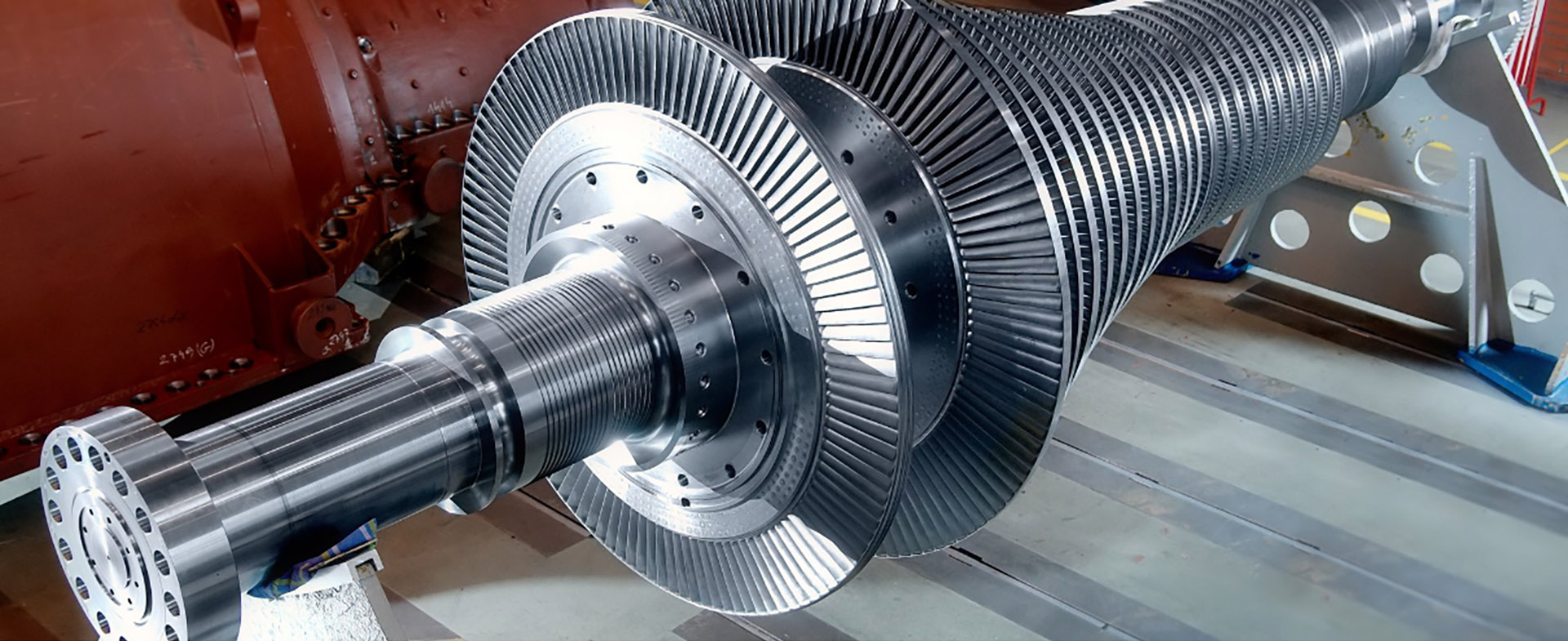
Operating efficiency can also be improved with the strategic replacement of select steam turbine parts. Installing higher-performing components in your unit’s steam path can help recover performance that has been lost over time. Our team can collaborate with you to assess the ROI you can realize with the right efficiency solution.
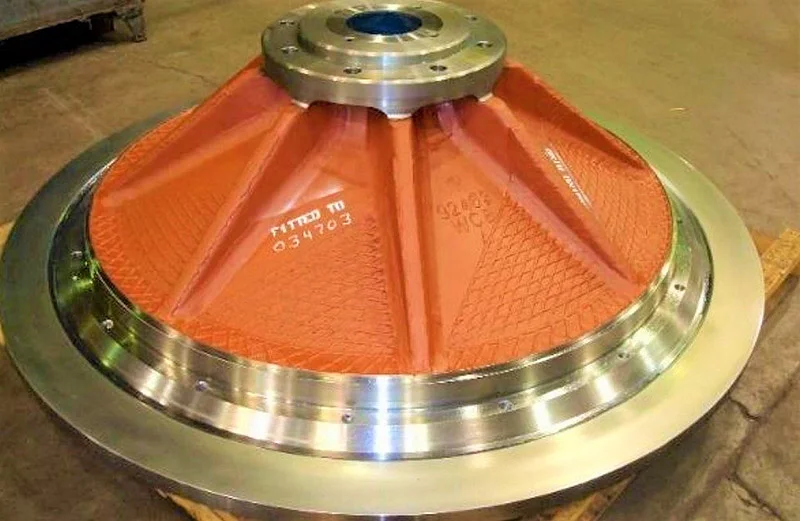
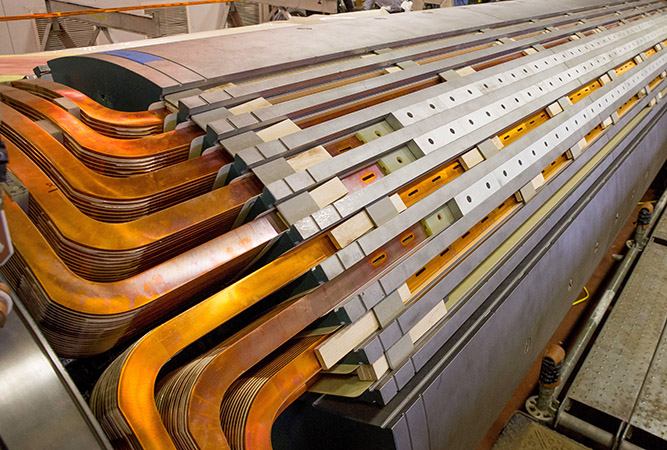
As with all of your equipment, parts are the building blocks of power generation assets, and can have a significant impact on your bottom line. We’re working hard to build on our capabilities to deliver parts with the quality, durability and delivery speed you expect from us. Here’s some things we’ve been doing for you lately:
As you know, one of the biggest impacts to your bottom line can be an unexpected outage of your power equipment. An effective way to minimize this risk is through cost-effective testing and inspections to spot potential issues in their early stages.
For example, our TEAMS (Turbine Evaluation, Analysis and Maintenance Scheduling) program—specifically designed for industrial plants—can help you not only avoid forced outages, but more efficiently schedule your planned events. In fact, many of our customers employing the TEAMS program at their sites have been able to extend their scheduled outage cycles from five to approx. seven years… that’s material service savings!
So, while no industrial business is immune to inflation, countering this reality with the right power service strategies can help set you apart in today’s competitive landscape. Our team is happy to spend some time with you to take a deeper dive on these cost-saving opportunities.

Brent Mueller
Industrial Commercial Leader
GE Vernova’s Steam Power Services Business
Brent has nearly 25 years of experience in the energy sector with GE Vernova, including various roles in both the commercial and field services segments. He is currently responsible for the commercial strategy—and growth—of the Steam Power Services industrial segment in the Americas region. Brent oversees the sales of an industrial services platform for steam plant operations including outage planning/execution, parts, repairs, upgrades and strategic collaboration as an energy transition supporter.
Explore
Interested in learning more?