GE Vernova’s NextGen Workforce Study
GE Vernova’s 2026 inaugural NextGen Workforce Study combines primary survey research and economic modeling to examine the U.S. energy workforce challenge. The findings reveal a critical requirement for over two million workers by 2032, with nearly 90% of that gap concentrated in high-demand skilled trades and technical field roles.
The Future of Energy is Being Built Now—and it Will Take People to Power It.
The U.S. energy workforce is at a critical turning point. Our findings reveal that the challenge is less about career quality and more about awareness and access. The greatest need is in skilled trades and technical roles, but extends to STEM engineering talent as well. Making these pathways visible earlier—and connecting them to the purpose, stability and innovation the next generation values—can inspire more young people to help power the future.
2M+
The U.S. energy sector could support 2M+ workers by 2032, including 565K new workers and a critical need for skilled trades and technical talent.
1.1M+
AI-driven electricity demand could support over 1.1 million jobs annually at peak construction intensity, creating major demand for energy workers across buildout, skilled trades, and technical talent.
~90%
~90% of the projected workforce gap is concentrated in skilled trades and technical field roles.
84%
84% of industry leaders say attracting talent is currently challenging, underscoring the sector’s growing workforce gap.
$940B
Closing the workforce gap could unlock up to $940 billion in U.S. economic activity, including up to $97 billion in annual wages.
The United States is entering one of the most significant periods of energy infrastructure growth in generations. We are facing a massive opportunity to power America’s future.

The Workforce Challenge
2 Million Workers by 2032, Including 565,000 New Workers
Q: What is the future of the U.S. energy workforce?
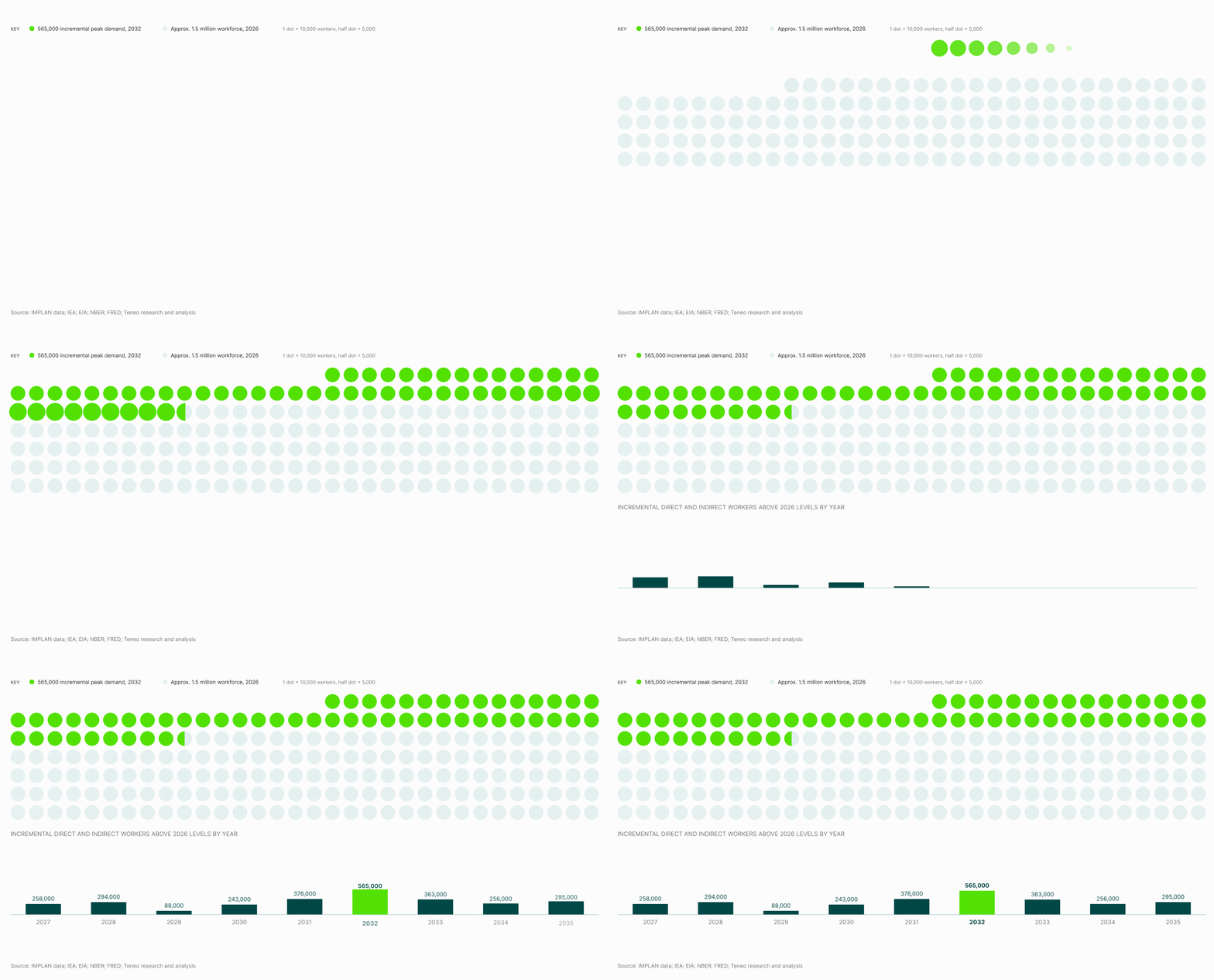
A: As AI and infrastructure buildouts drive a historic surge in electricity demand, the U.S. energy sector faces a critical milestone: the need for over 2 million workers by 2032, including 565,000 brand-new roles. GE Vernova’s NextGen Workforce Study explores how this demand acts as a catalyst for economic growth and generational opportunity.
AI Demand Could Support 1.1M+ Jobs
Q: What could AI-driven electricity demand mean for the energy workforce?

A: AI-driven electricity demand could support over 1.1 million jobs annually at peak construction intensity, creating major demand for energy workers across buildout, skilled trades, and technical talent.
Nearly 90% of Demand is Coming from Skilled Trades and Technical Field Roles
Q: Where is the greatest need for talent in the energy sector?
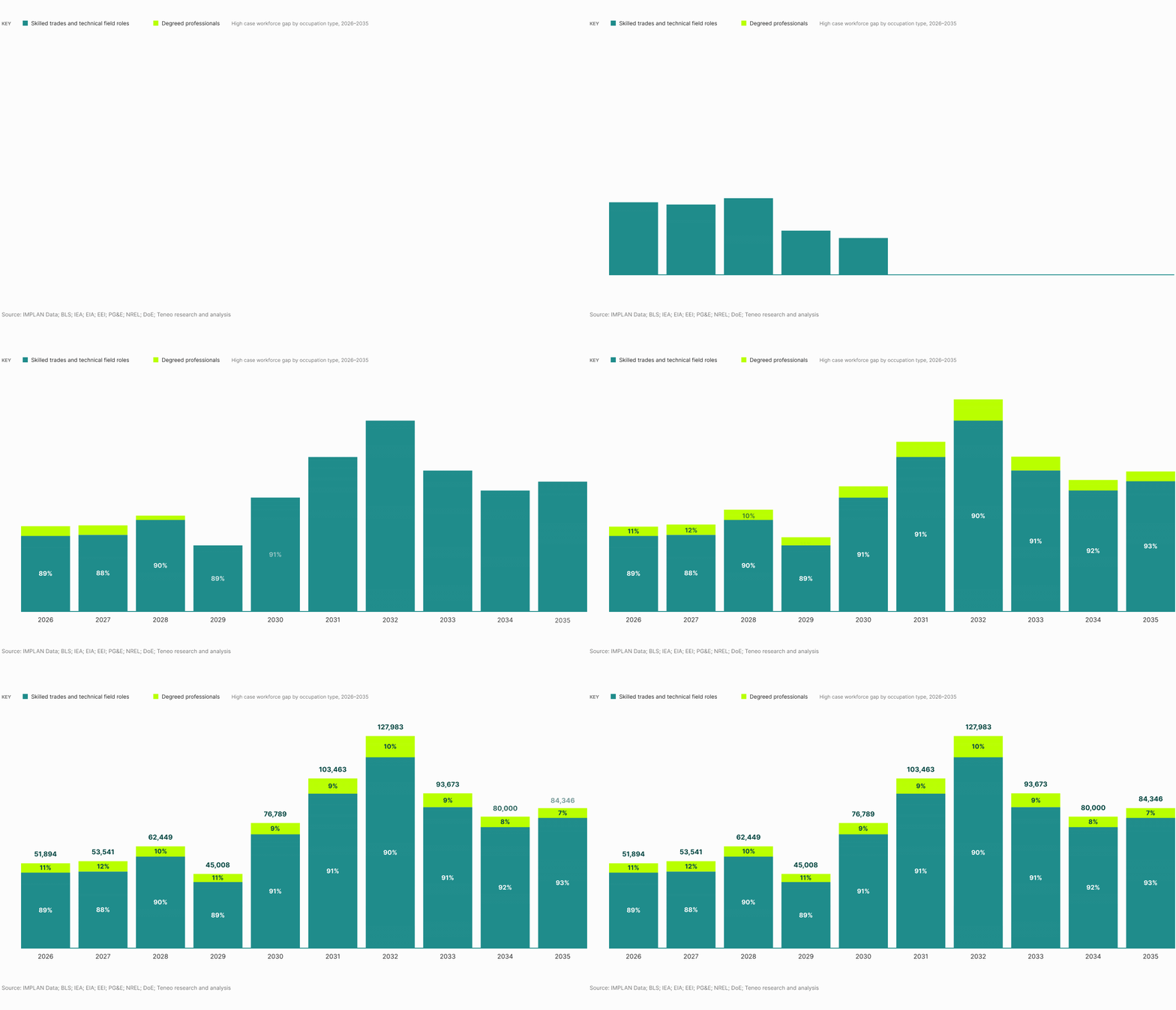
A: Nearly 90% of our projected workforce gap is concentrated in skilled trades and technical field roles. This critical bottleneck includes high-demand positions such as electricians, line workers, welders, and technicians, which are essential to building and maintaining the energy infrastructure required to power the U.S. economy.
84% of Leaders Say Attracting New Talent is a Big Challenge
Q: Why is it so challenging for energy companies to recruit for these new roles?
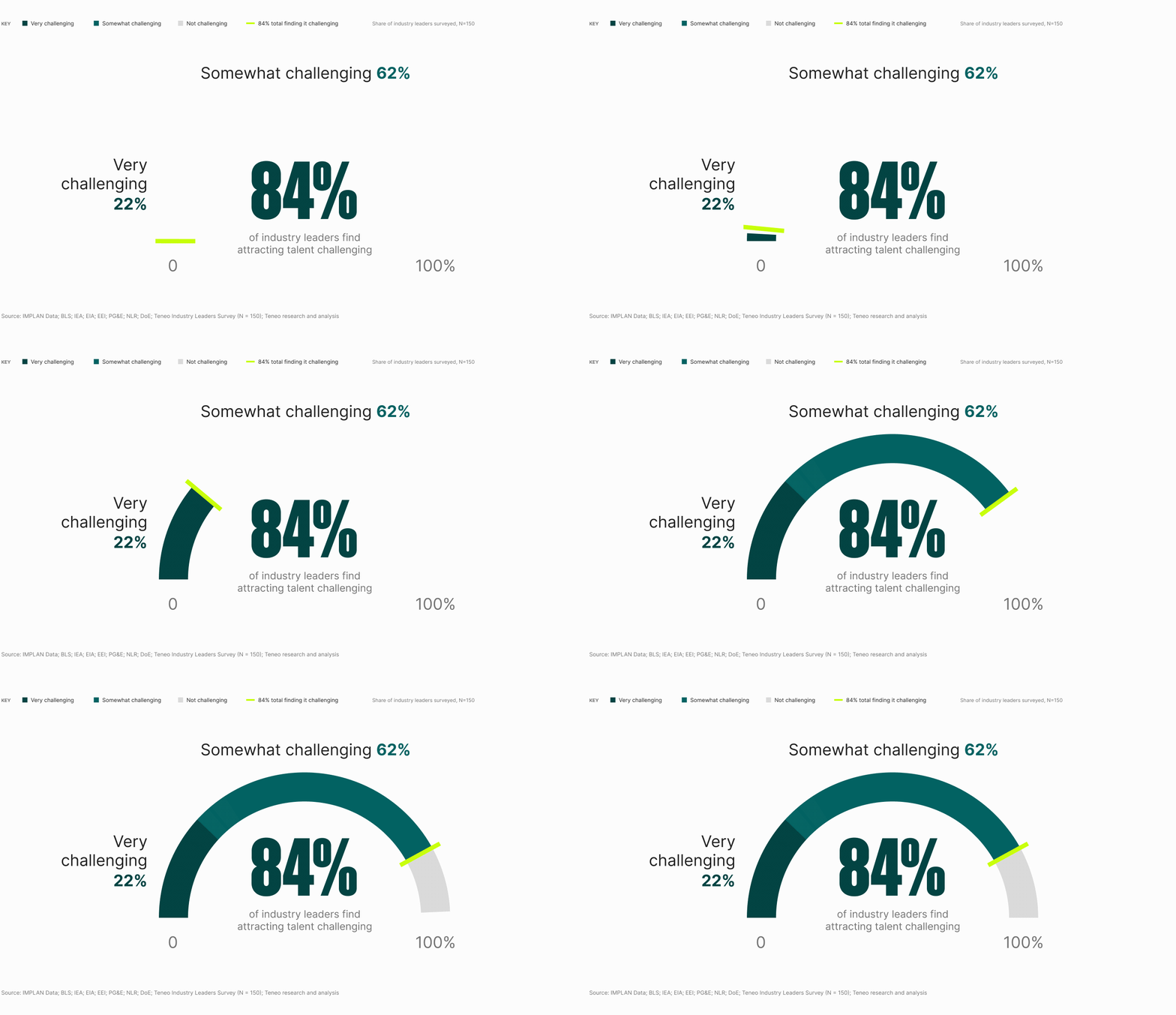
A: 84% of industry leaders report that attracting talent is a significant challenge, particularly for critical roles such as skilled trades, electrical engineers, technicians, and plant operators. This bottleneck highlights an urgent need to bridge the "awareness gap" by better communicating that energy careers offer the innovation, long-term stability, and purpose that today’s top talent demands.
Only 27% of High School Students are Very Likely to Consider Pursuing a Skilled Trades Career
Q: Why is it difficult to fill skilled trade and engineering roles?
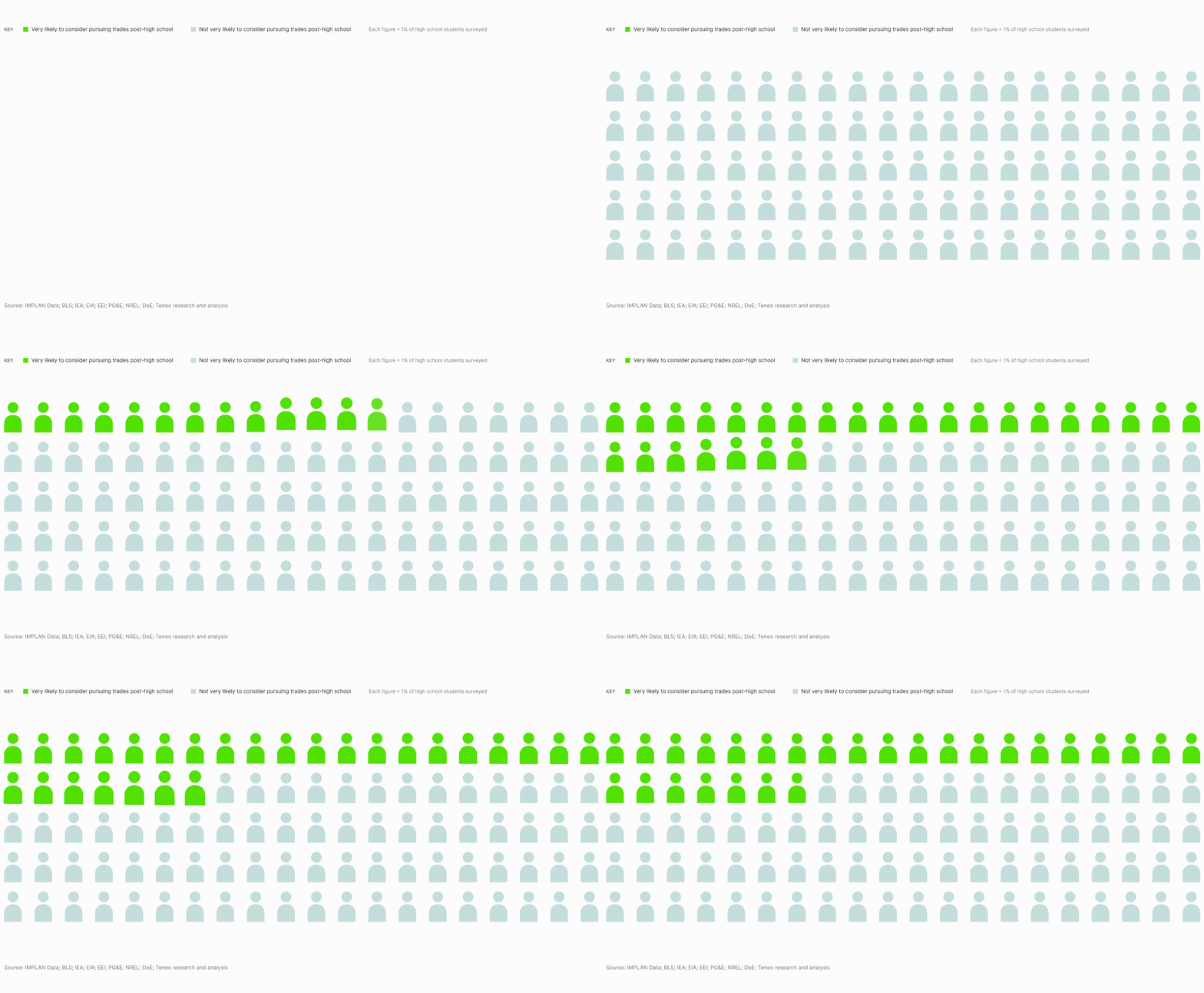
A: While 73% of high school students believe skilled trades offer long-term career value, only 27% are very likely to consider pursuing, often due to parental pressure toward four-year degrees. Simultaneously, the engineering pipeline is leaking; employers struggle to attract talent.
Did you know: The sector’s need for new energy engineering, technical and professional talent could provide enough jobs for one in every ten students graduating college this year with a STEM-related degree.

What Talent Values
Over 50% of Talent Value Careers that Improve the World
Q: What do young professionals value most in a career?
Young people are looking for ‘innovation with intention’—careers that combine purpose and impact with long-term stability. Energy careers offer exactly that.
A: Today’s talent is looking for “innovation with intention”—careers that offer job security, AI resilience and purpose. The research shows that young professionals want stability in a changing job market, opportunities in industries less vulnerable to automation, and work that makes a meaningful impact on the world.

The Economic Impact
~$940 Billion in U.S. Economic Activity over the Next Decade
Q: What does the energy boom mean for the U.S. economy?

A: Meeting our workforce needs could generate up to $940 billion in U.S. economic activity and unlock $97 billion in annual wages. This estimated energy demand represents a historic growth opportunity, proving that building the next generation of energy talent is not just an operational necessity—it is a vital driver of American prosperity.

Our Commitment to Action
GE Vernova Created 1,800 New US Jobs Since January 2025
Q: How is GE Vernova working to solve the workforce shortage?

A: GE Vernova is moving beyond advocacy to direct action through targeted strategies for different talent pools. This includes a $50 million alliance with MIT to advance energy innovation and develop future leaders, national engineering activations to engage high-tech talent, and global workforce development initiatives through the GE Vernova Foundation to expand access to skilled trades and STEM opportunities.
Conversations with Next Gen Energy Leaders
In Future Brew, GE Vernova’s next gen leaders share their career journeys, perspectives on leadership, and the future they want to help build in energy.


