When he was a teenager, Allen Millard’s design and technology class in England went on a field trip to a coal-fired power plant. The visit changed his life.
“For someone who was 15 years old to see this great big power station with all these massive machines and huge amounts of complexity, it was really fascinating,” Millard recalls. “Yet it was run by ordinary people who were very approachable and could explain how everything worked. I thought, ‘This is where I want to be.’”
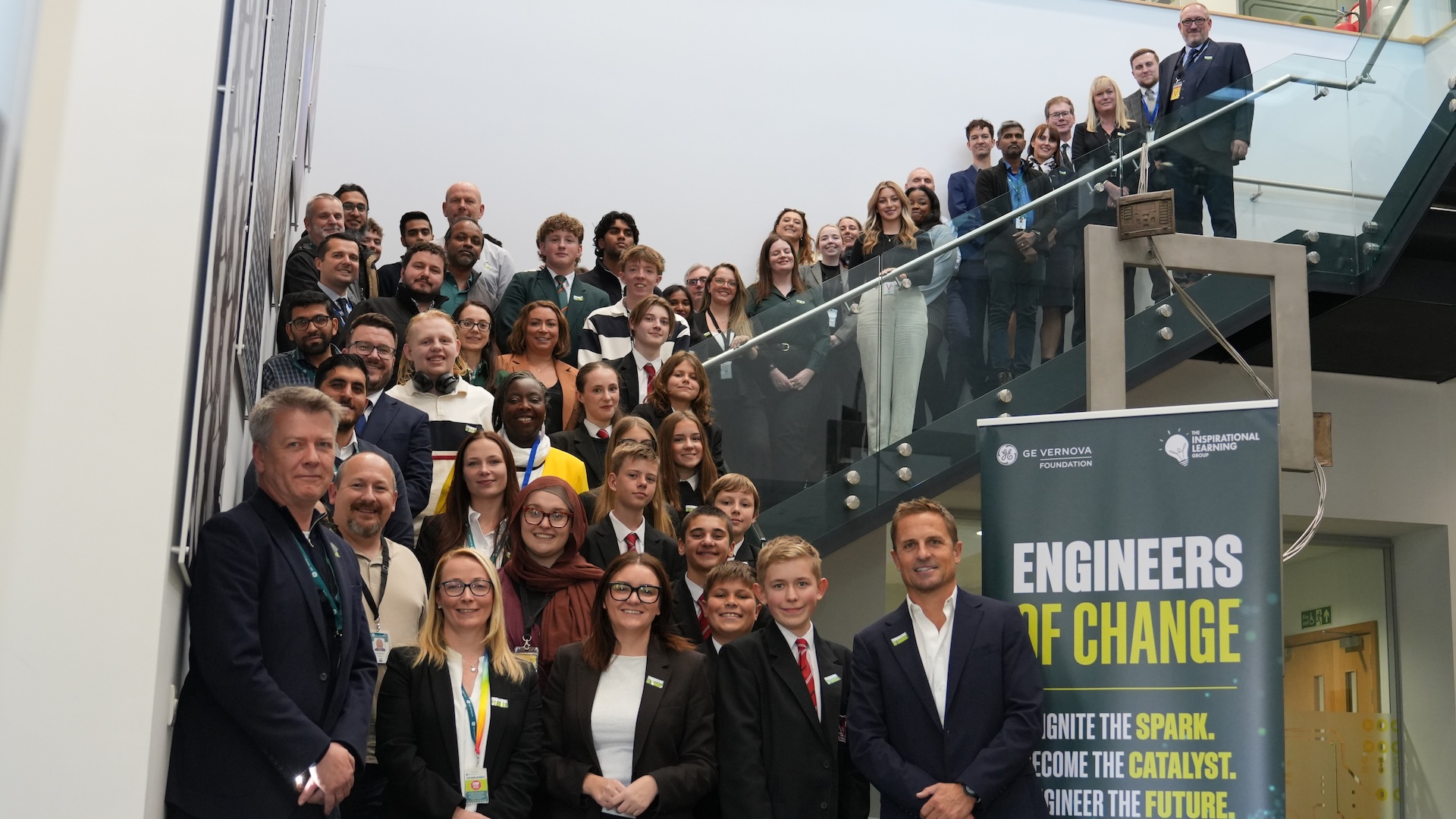
That experience led Millard, now an engineering manager for GE Vernova’s testing program in Staffordshire, U.K., to volunteer with the company’s recently launched Engineers of Change program. Backed by a three-year, $4.5 million commitment from the GE Vernova Foundation, Engineers of Change aims to help up to 6,000 students in Staffordshire, U.K., and Greenville, South Carolina discover their potential as engineers by sparking curiosity, building confidence and showing them what they can accomplish.
Powering the Future
From electrifying the grid to reliably powering data centers, the world faces no shortage of engineering challenges. Technological breakthroughs are transforming how we produce and provide energy, opening new possibilities to help address challenging problems. For young people who love solving puzzles and are passionate about making a difference, there’s never been a more exciting time to consider a career in engineering.
But while many students have the curiosity and skills to become a successful engineer, they don’t know what the work entails — or how they can translate their talents into a career.
That’s where the Engineers of Change program comes in. Beginning this fall, students ages 13 to 18 will be diving into hands-on activities that demonstrate how engineers invent, iterate, and solve problems. The younger group, ages 13 to 14, will participate in the Engineering Spark program, which introduces scientific and engineering concepts for real-life solutions through hourlong classroom visits. The Engineering Catalyst program, for students ages 15 to 18, is more immersive, requiring an application and a two-year commitment.
Engineering Catalyst participants tackle design challenges that might include building a tiny wind turbine to raise a tea bag or harnessing the stored energy in a mousetrap spring to power a toy car. Those who complete the program and enroll in an engineering degree program or apprenticeship will receive a partial scholarship from the foundation.
Paying It Forward
The students are mentored by volunteers like Millard and Govind Rengarajan, who leads a section of the GE Vernova engineering team in Greenville, South Carolina. Rengarajan, who primarily works with gas turbines, is the city captain for Engineers of Change in his area, recruiting colleagues to participate and helping organize activities. Appreciation for his own mentors — from the radio technician living in his childhood apartment building, who taught him to take apart cassette players, to his doctoral adviser at Texas A&M University — is what spurred him to join the program.
“The best way to express gratitude is to pay it forward,” he says.
Rengarajan sees enormous opportunities for the next generation of engineers to make a difference — and a growing need for their talents. Some 32% of new engineering jobs go unfilled in the U.S. each year, and about 124,000 new engineers and technicians are sought annually in the U.K.
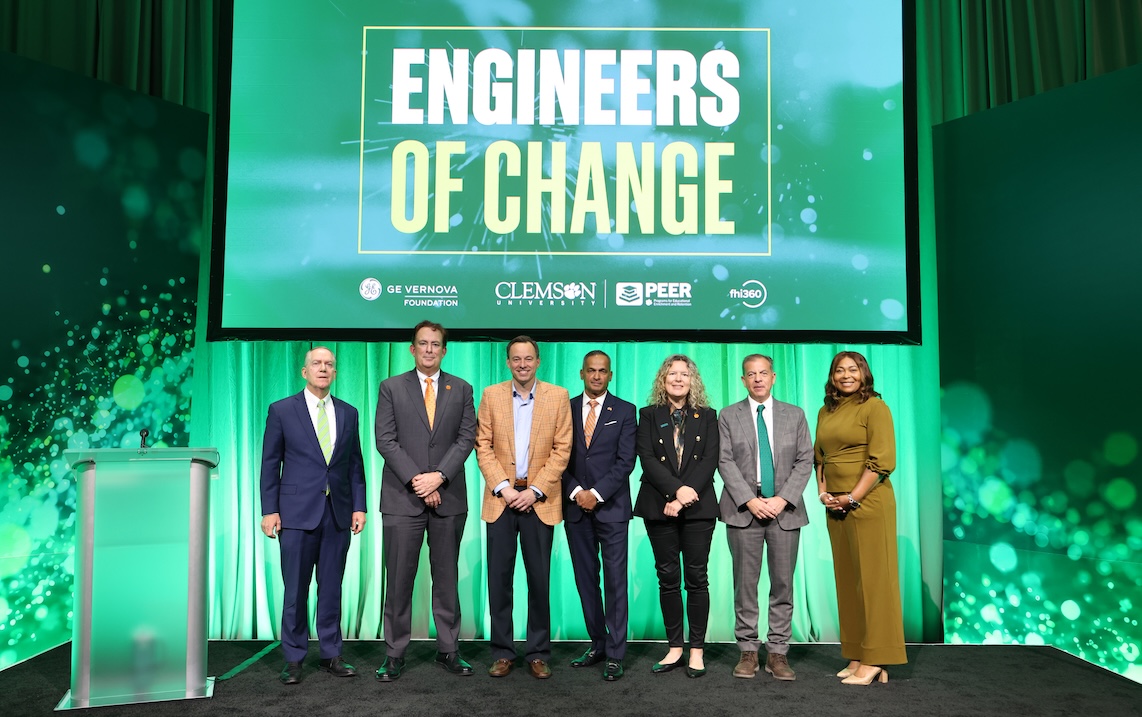
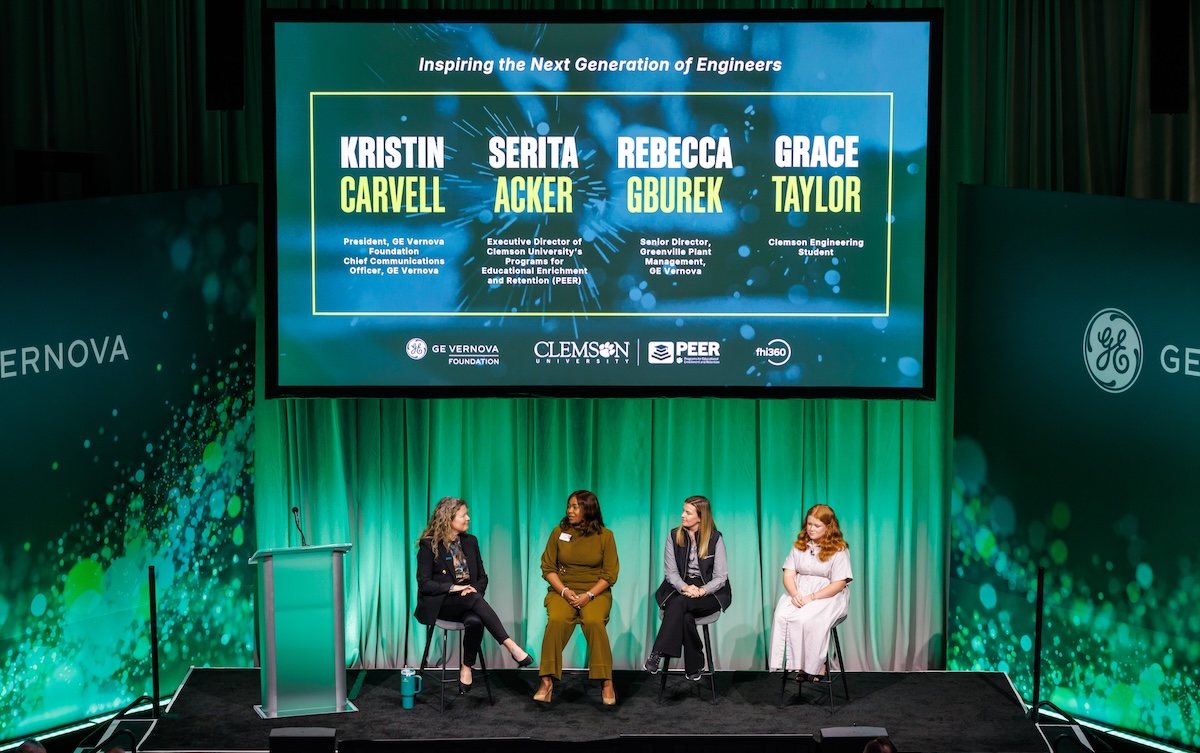
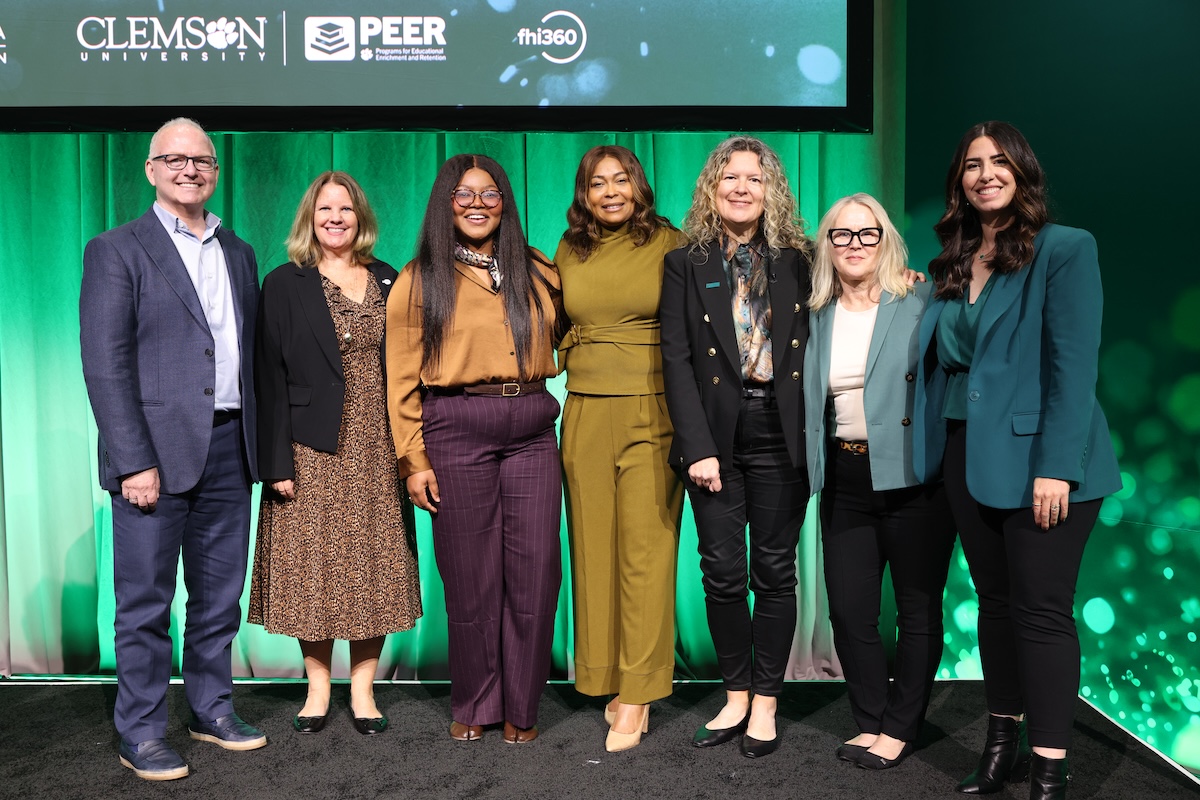
GE Vernova volunteers in Greenville partner with Clemson University’s Programs for Educational Enrichment and Retention (PEER). High school students in the Engineering Catalyst program visit Clemson’s campus twice a month for a full day of activities led by GE Vernova engineers. They also get to meet Clemson’s college engineering majors and faculty.
“It’s a unique opportunity to see students who aren’t that much older than them actually working in the major,” says Serita Acker, PEER’s executive director.
Acker also coordinates classroom visits to middle schools for the Engineering Spark program. She recently watched students work with volunteers to build rockets from a small selection of materials.
“The students were smiling and competing, and the engineers from GE Vernova were laughing and having fun,” she says. “Engineering Spark gives students an opportunity to see the abilities they have inside themselves.”
A Spark That Lasts a Lifetime
Today, Millard oversees projects ranging from testing small electrical devices that control generators to simulating enormous power systems in a laboratory. He hopes to give students the same sense of possibility he experienced on that long-ago field trip. Just as important, he wants to dispel the notion that engineering is an isolated, narrowly technical profession.
“The main thing I want to do is challenge misconceptions of what an engineer is,” Millard says. “When you talk to students, they have a very narrow view of an engineer as a solitary person sitting in a lab. I really want to show that’s not how engineering is. No engineer develops something on their own. It’s very social, creative, centered on communication and problem-solving. We’re building bridges — literal and metaphorical — between people and technology going forward.”
To learn more about Engineers of Change and find out how you can get involved, visit https://www.gevernova.com/company/philanthropy/engineers-of-change.
Forward-Looking Statements
This article contains forward-looking statements, which provide current expectations based on certain assumptions. Except as required by law, we disclaim any obligation to update these statements.