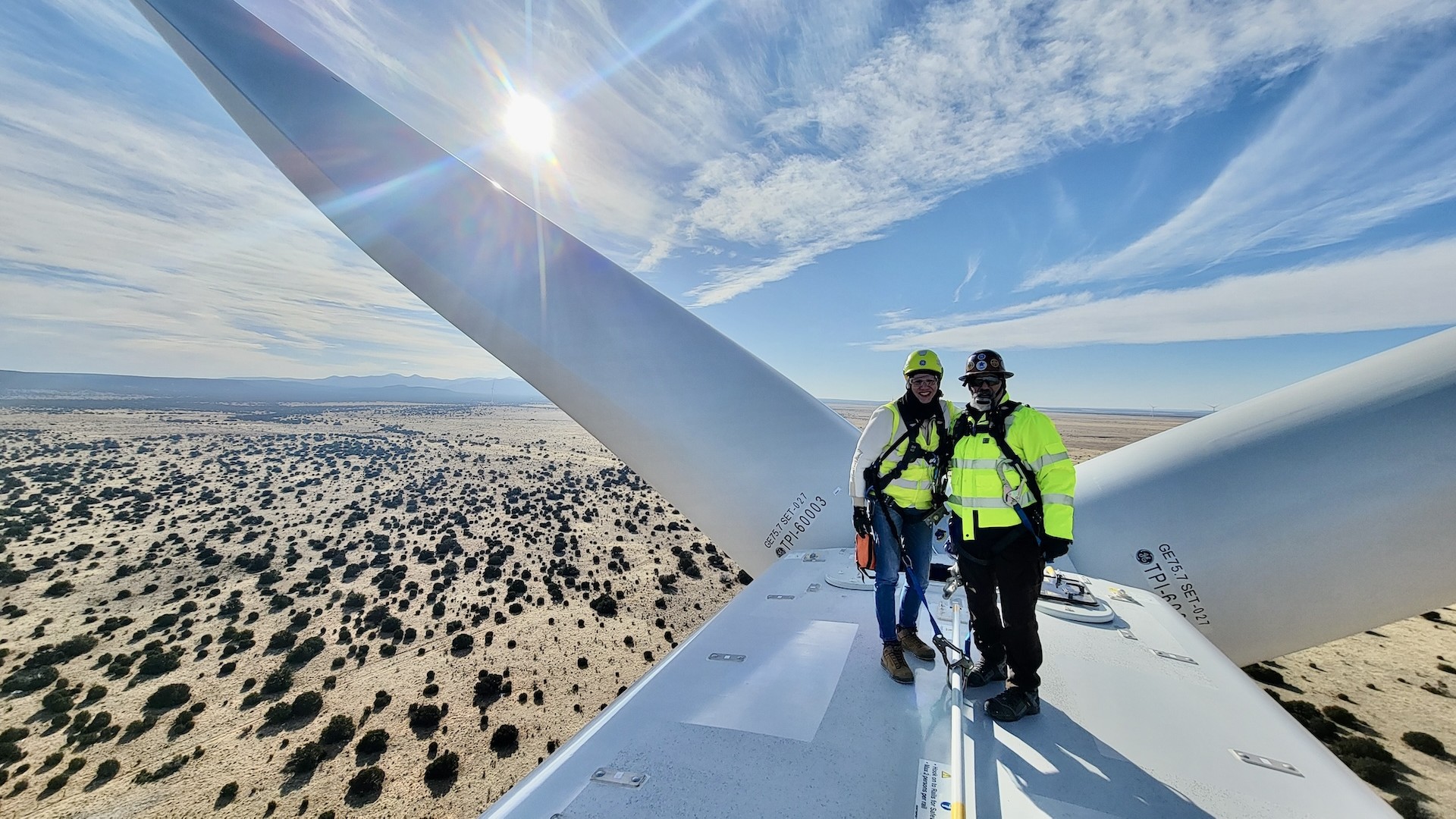
The scene: northwest Germany. A quiet farm. Enter a university student with a question that would shape her future. “Hey, when are you getting a wind turbine?”
It was a casual moment, but for Julia Vey, then an apprentice at GE Vernova in nearby Salzbergen, it planted a seed. Back in the early 2000s, wind power was still small-scale, and large turbines were rare. But Julia was fascinated — and determined to be part of what she sensed was coming.
Related News
The Energy of Change in Action: Voices of Relentless Optimism

Several forces within GE Vernova align in its new Energy of Change in Action storytelling campaign: a century-old commitment to breakthrough ideas, the relentless optimism of the company’s employees, and their common sense of purpose in meeting tomorrow’s challenges today. From developing advanced grid technologies in France to leading wind services in Brazil to managing turbine sites around the world, GE Vernova’s brilliant engineers are driving the energy transition forward.
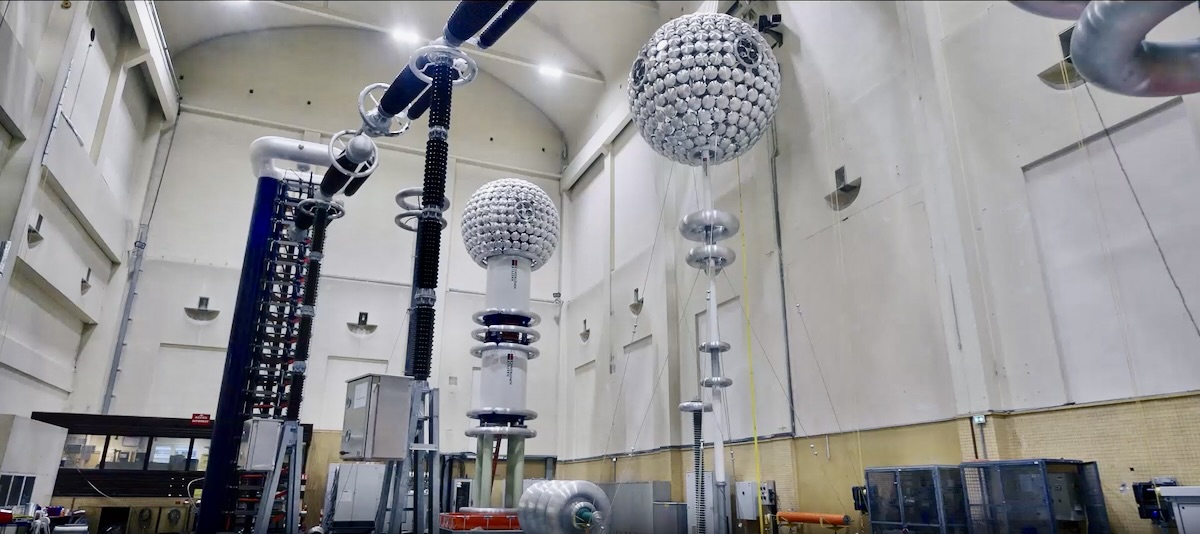
Power Transmission: This Research Center in France Is Playing a Key Role in Building Tomorrow’s Grid
Related News
Going Big: To Support Data Center Growth and Rising Renewables, Crusoe Is Ordering Flexible Gas Turbines

The AI data center boom is now a big and freewheeling American business story. According to the U.S. Energy Information Administration, this quickly emerging industrial demand for power will help drive U.S. electricity generation to all-time highs not just this year but next year as well.
Related News
As Spain Went Dark, the Lights Stayed on at Claudia Blanco’s Off-Grid Home. It’s a Wake-Up Call, Says the Exec

Just before midday on Monday, April 28, Claudia Blanco boarded a flight from Barcelona to Jerez de la Frontera, a small city in Spain’s southernmost region. Blanco, who is the chief innovation and artificial intelligence officer for GE Vernova’s Electrification Systems business, was looking forward to her week. Although her diary was crammed with meetings and deadlines, she was planning to work from her peaceful woodland home, just a 40-minute drive from Jerez’s airport.
Related News
Phantom Power: Saudi Arabia Joins the Condenser Revival as the Kingdom of Oil Pursues Big Solar
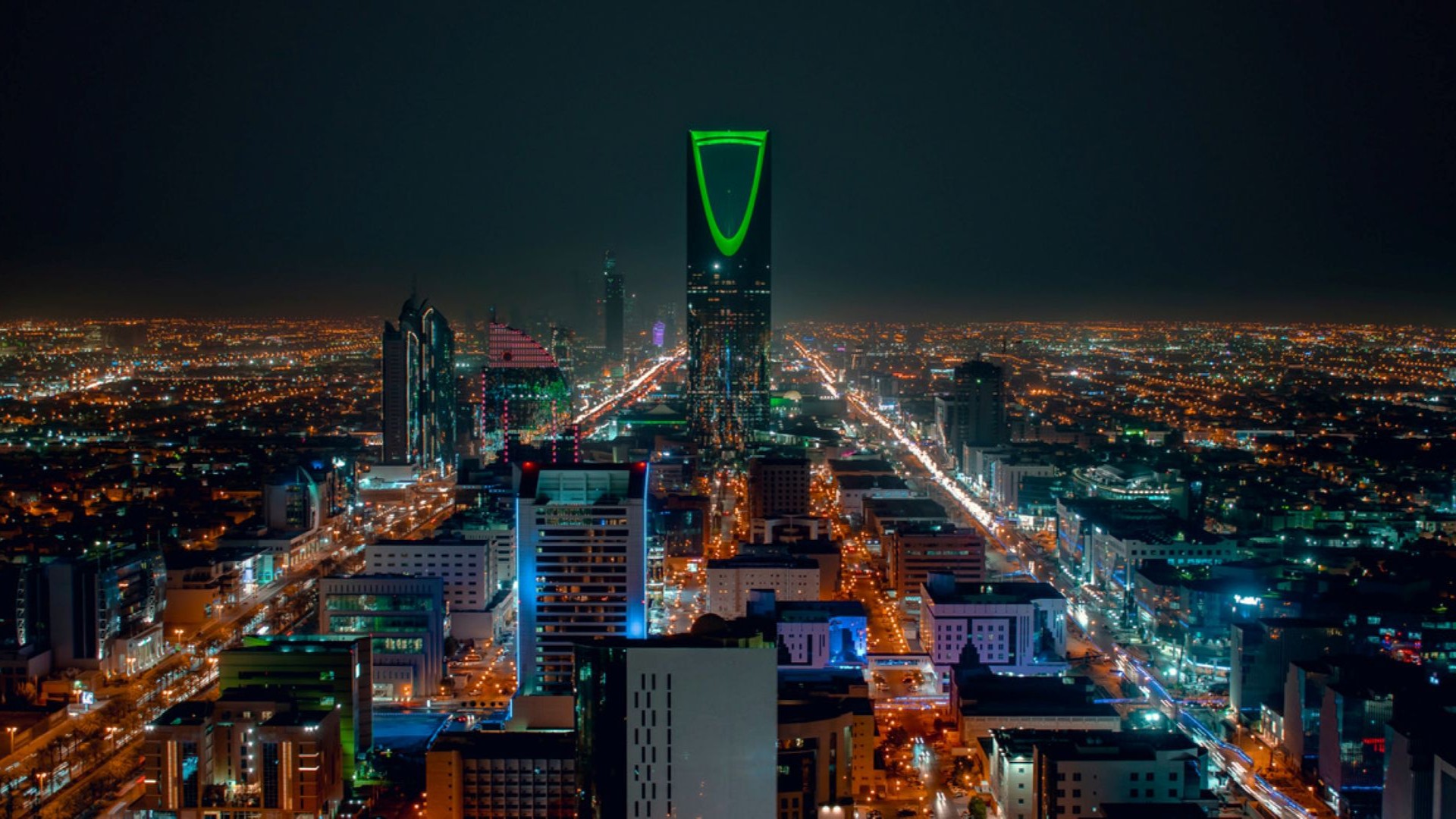
The 2020s have a lot in common with the 1920s when it comes to the buildout of electrical power. Back then, grids were largely driven by coal, which was polluting, to be sure, but offered stability to big, national electrical systems with power plants that often ran uninterrupted for long periods of time. Then came hydropower, with its distant electrical power generators. Power engineers, trying to figure out how to transmit power from faraway places, developed an unusual machine called a synchronous condenser.
Island Life: How Tourist Destinations Are Firming Up Local Grids for Future Renewables Growth

Everyone loves a vacation. But that’s the problem: The world’s holiday destinations are bursting at the seams with visitors. Workers at the Louvre in Paris recently went on strike, saying they were suffering from exhaustion.
Related News
Leaning In to Safety and Quality: GE Vernova’s Wind Business Is Revolutionizing the Manufacturing Line
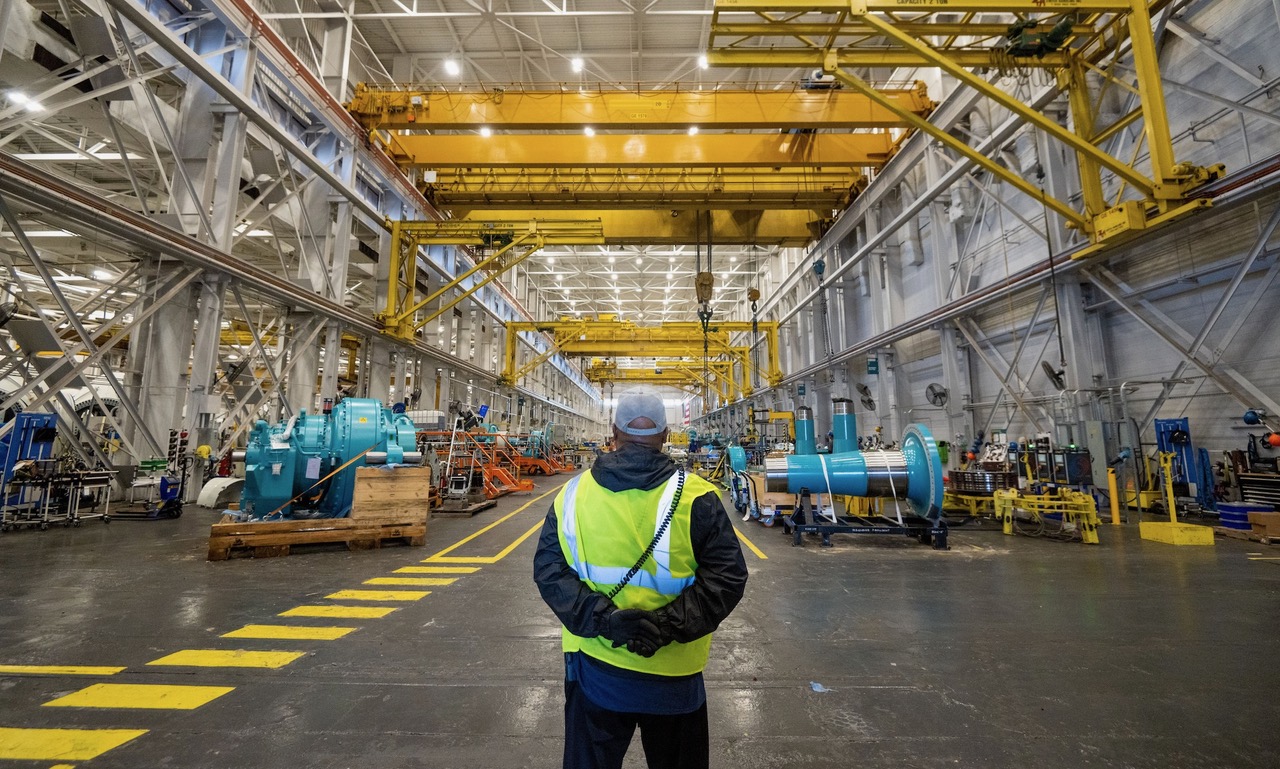
Global electricity demand busted out of its slumber last year, largely attributed to factors such as industrialization, data centers, and electric vehicles, leaping forward by 4.3%. That’s more than twice the annual average of the past decade, according to the International Energy Agency.
Related News
A New Lease on Light: GE Vernova’s Repower Program Keeps Electricity Flowing by Upgrading America’s Aging Wind Turbines
Related News
In Sync: How a Steam-Era Machine Can Upgrade the 21st-Century Electric Grid
The peculiar machine described in the 1920 issue of GE Review — essentially a giant engine designed to produce no mechanical power — seems like nothing more than a charming relic from the early years of electrification.