



GE Vernova Hitachi's BWRX-300
Making next-generation nuclear a reality
The BWRX-300 small modular reactor (SMR) provides 24/7 on-demand, low carbon power.

The world’s need for sustainable and reliable energy has never been greater—and the BWRX-300 small modular nuclear reactor can help meet that need.
GE Vernova Hitachi’s (GVH) BWRX-300 is not a concept, a plan, or a PowerPoint. It's now under construction. Its configuration, based on proven technologies, has been selected for the leading project in the Western world with construction underway in Canada on the first BWRX-300. Construction of the first unit is estimated to be completed by the end of 2029 and in commercial operation by the end of 2030.
The BWRX-300 small modular reactor is a source of electricity generation capable of powering communities across the globe with the energy they rely on to thrive.
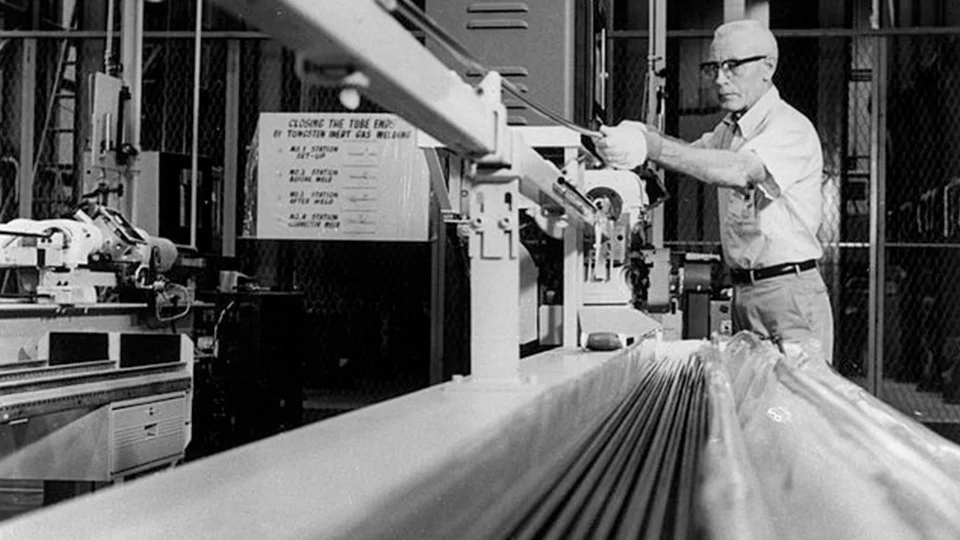
With more than 65 years of nuclear industry experience and a rich legacy of excellence and quality, GE Vernova Hitachi has the energy technologies to change the world—and the BWRX-300 SMR is a key part of that mission.
How GE Vernova Hitachi is leading the way
It's official: the Darlington New Nuclear Project
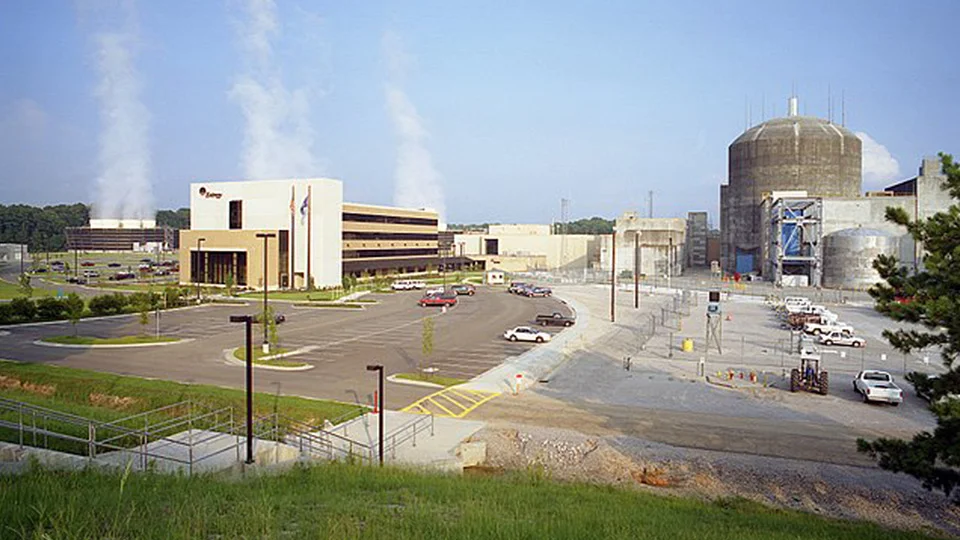
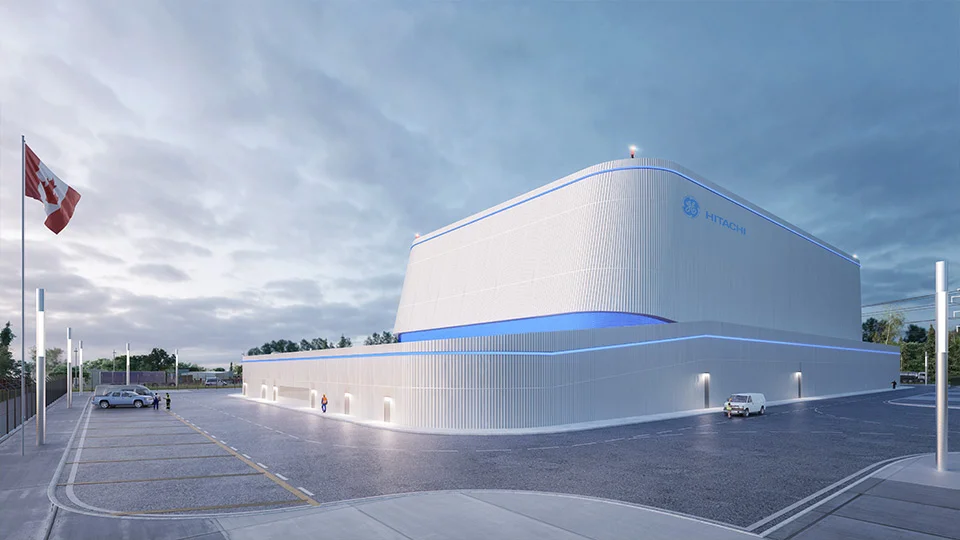
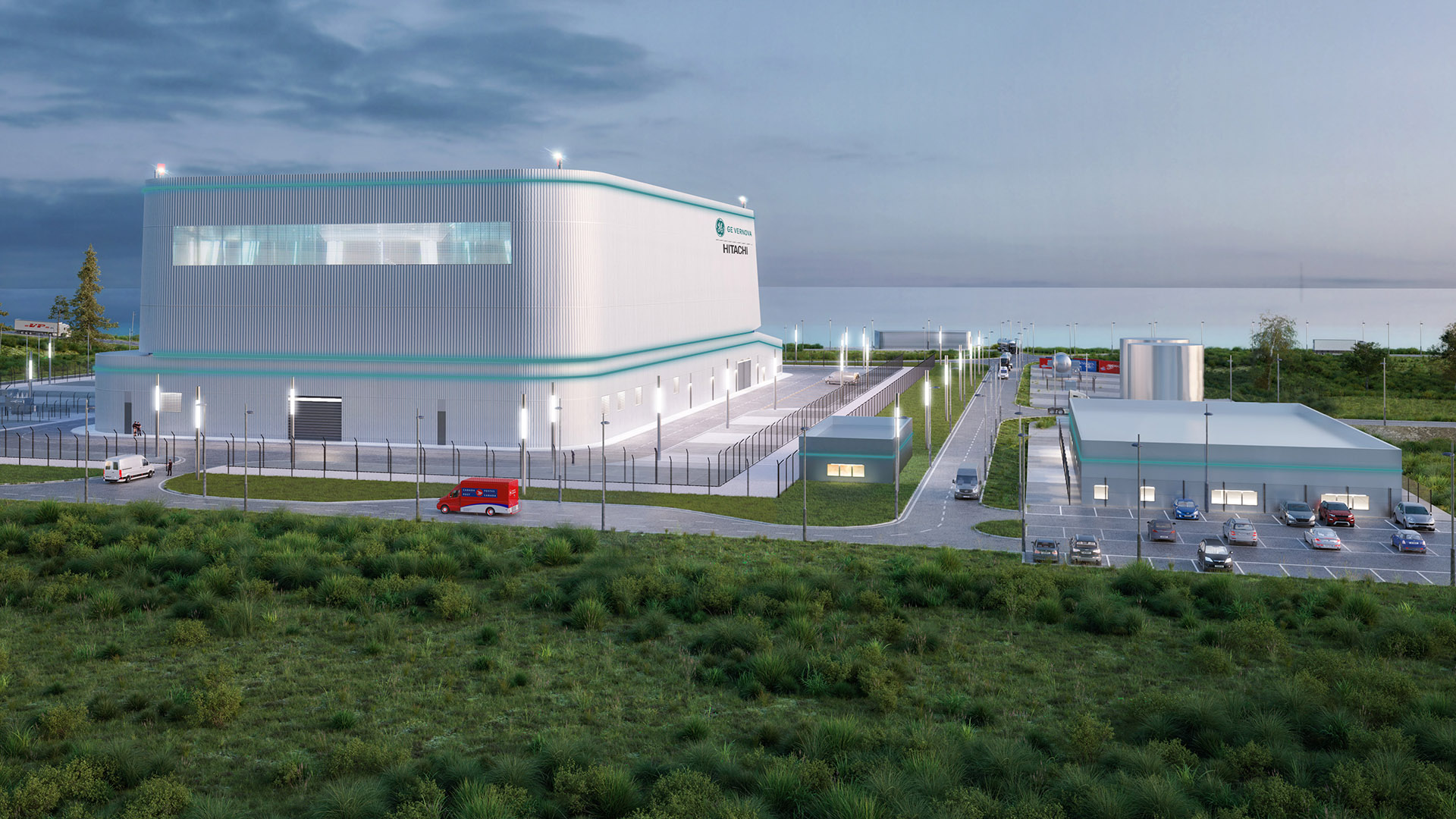
Ontario will be home to the Western world’s first SMR. Working in collaboration with Ontario Power Generation (OPG) and others, construction began in May 2025 and is estimated to be completed in late 2029.
jobs to be provided during construction
sustainable jobs projected per year over decades after construction
of project spending will go to companies in Ontario during construction
expected to be added in GDP for Canada
of electricity will be provided by the four planned units, which can power over 1 million homes and businesses
Featured video
Construction began in May 2025 at Ontario's Darlington New Nuclear Project site. The first BWRX-300 unit is scheduled to be operational in 2030, helping to deliver 300 MW of low-carbon baseload power to over 300,000 homes.
Check out the construction already underway at the Darlington New Nuclear Project site. This video from Ontario Power Generation (OPG) shows the initial stages of construction on the first of four BWRX-300 small modular reactors at the Ontario, Canada site.
Why the BWRX-300?
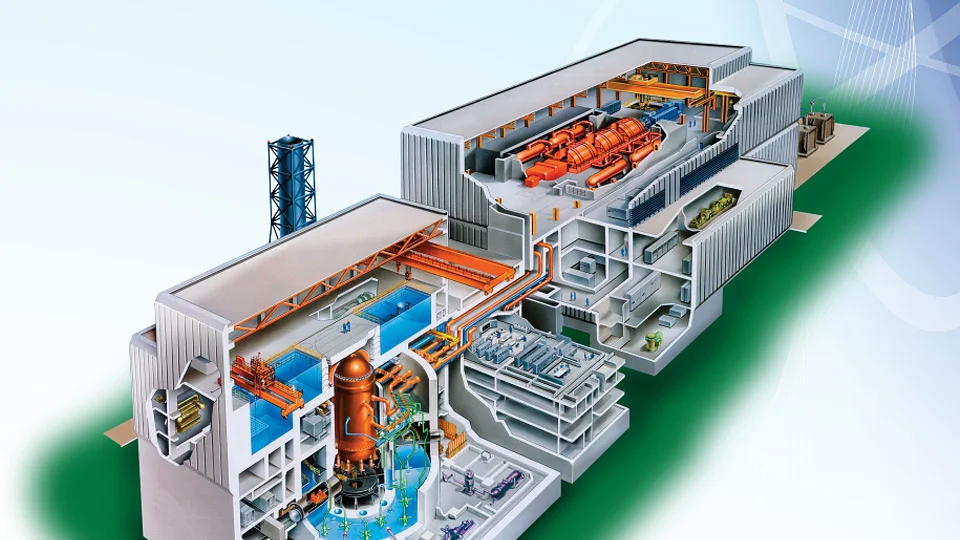
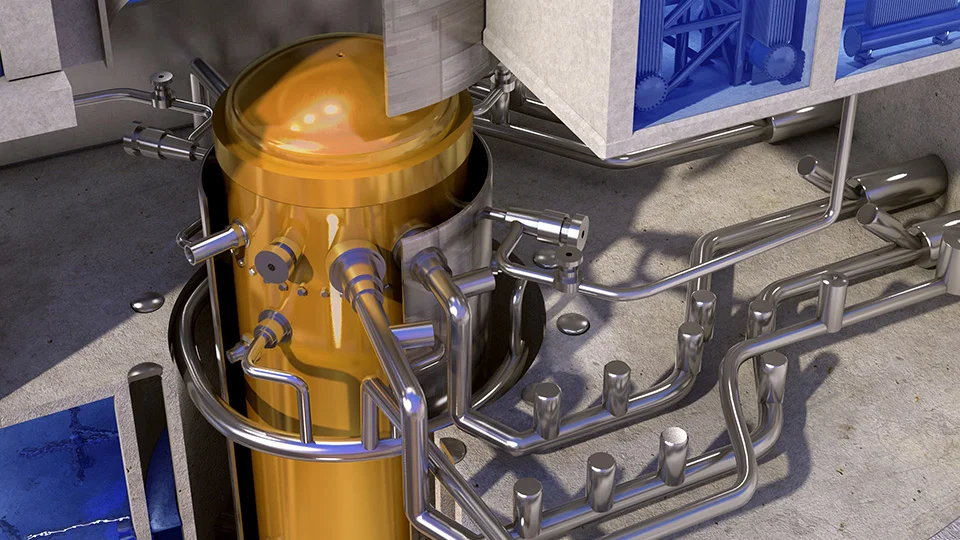
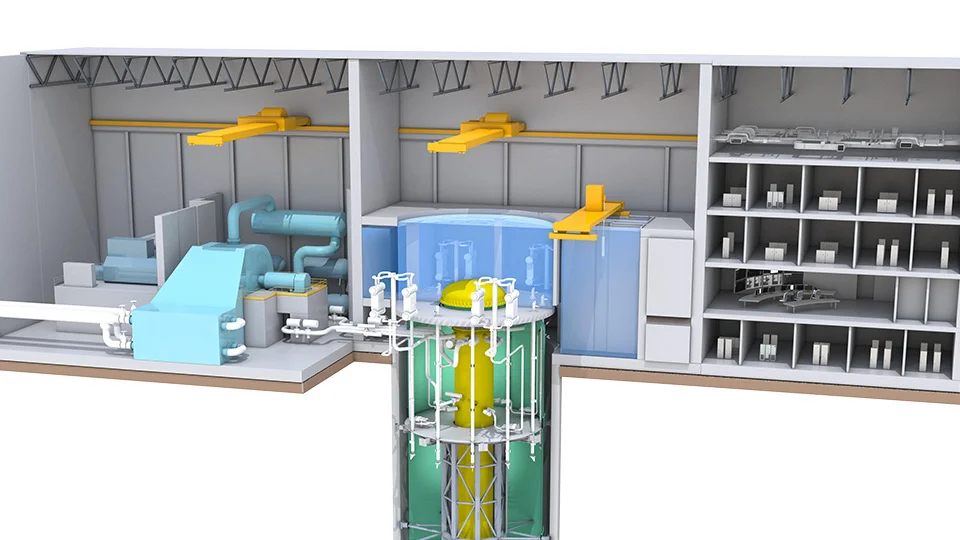
Plans to deploy GE Vernova Hitachi's BWRX-300 small modular reactor are no longer theoretical; it is the first commercial SMR under construction in North America. The BWRX-300 uses modern construction methods and advanced concrete solutions, inspired by established techniques from GE Vernova’s long history of nuclear expertise and other power industries.
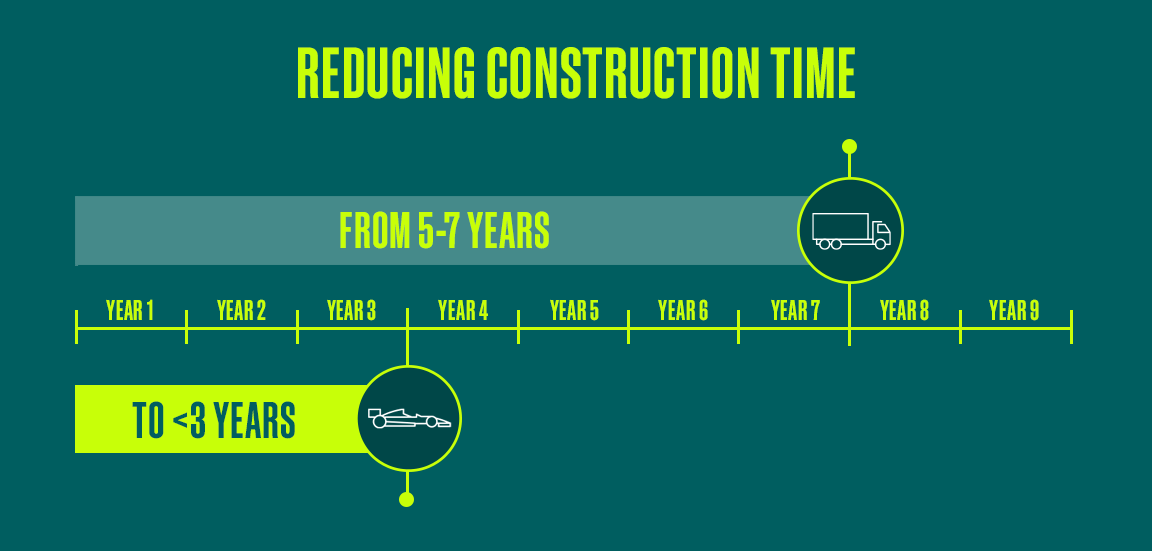
By using advanced construction methods, the BWRX-300 SMR can be built in approximately 24–36 months from first nuclear concrete pour to ready for fuel load for nth-of-a-kind units.
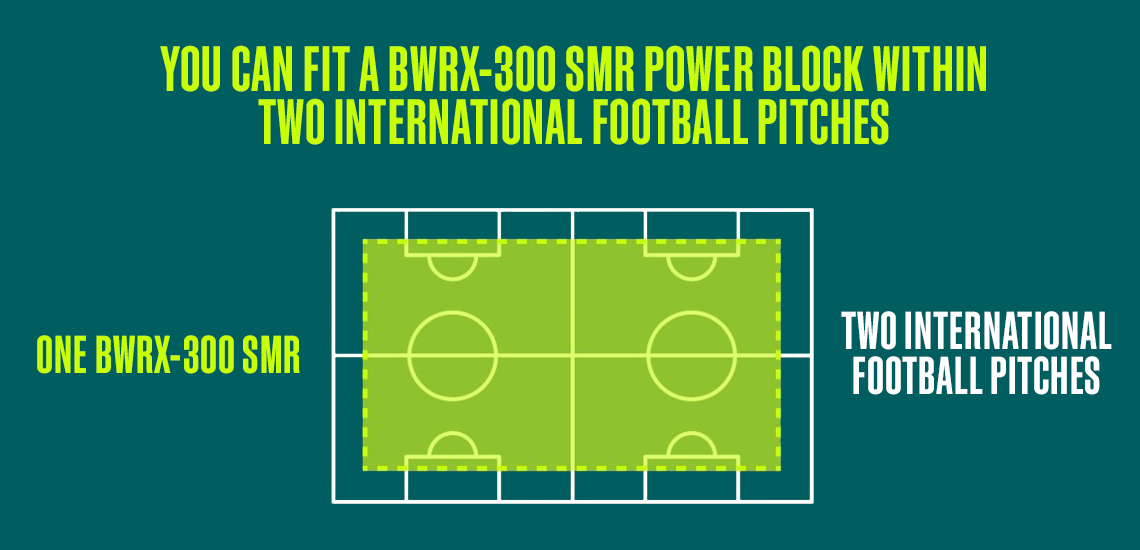
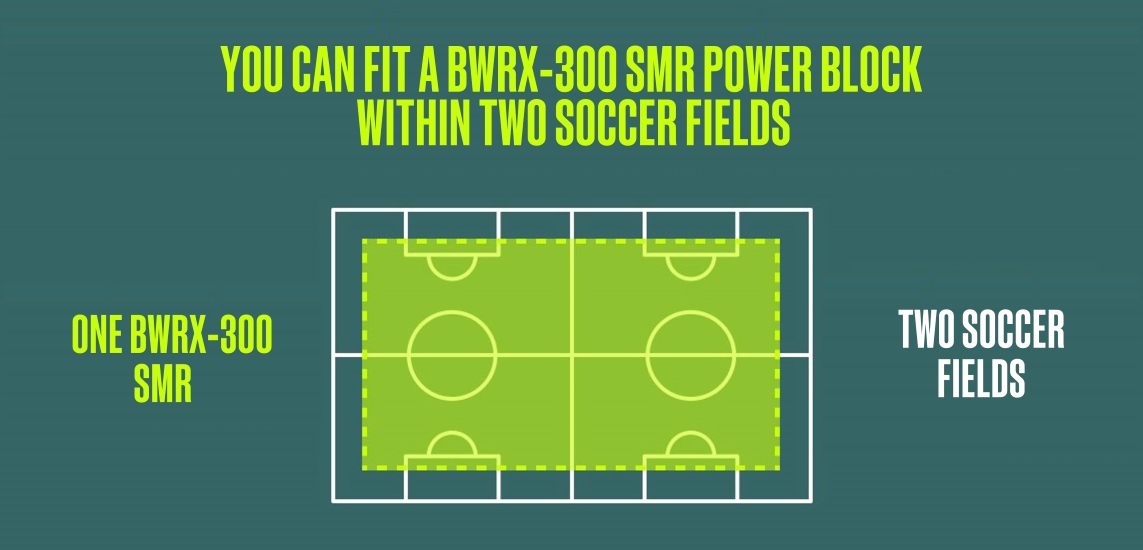
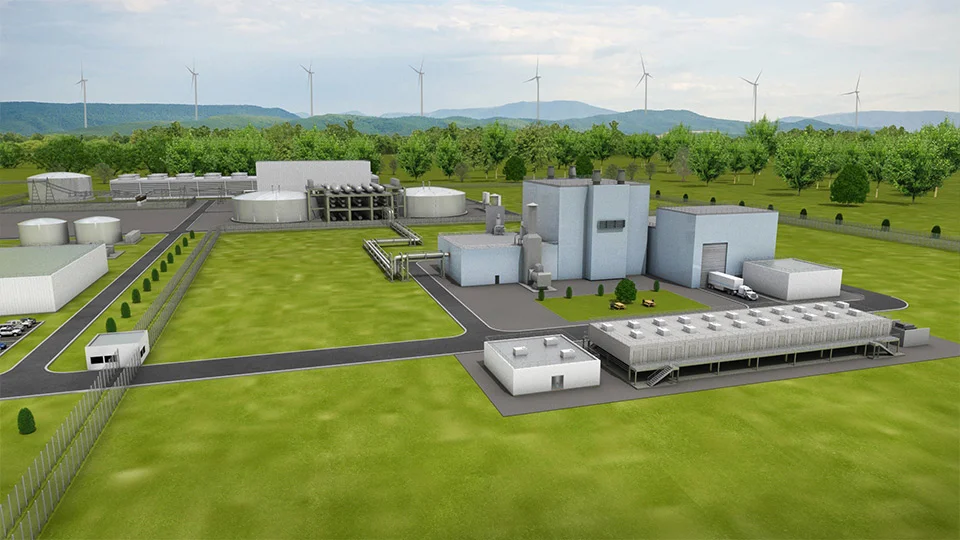
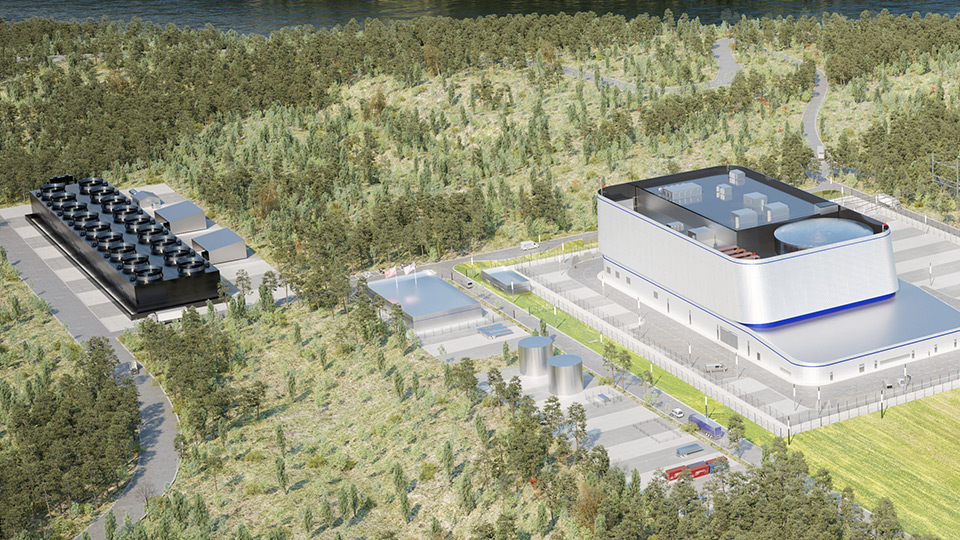
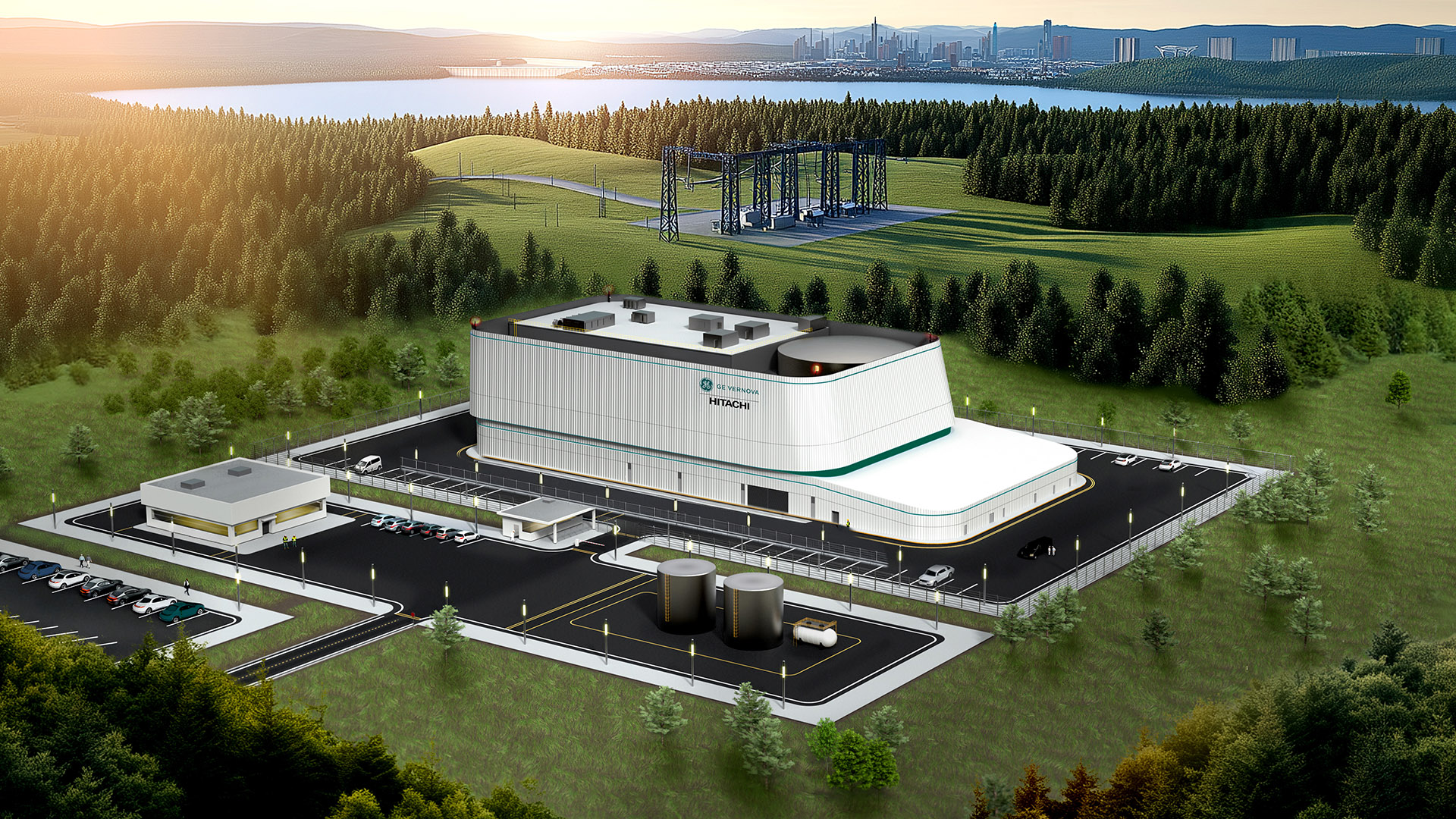
Nuclear plants operate at a high-energy density, requiring far less land than renewables to produce the same output. The BWRX-300 power block is small enough to fit within two international football pitches.
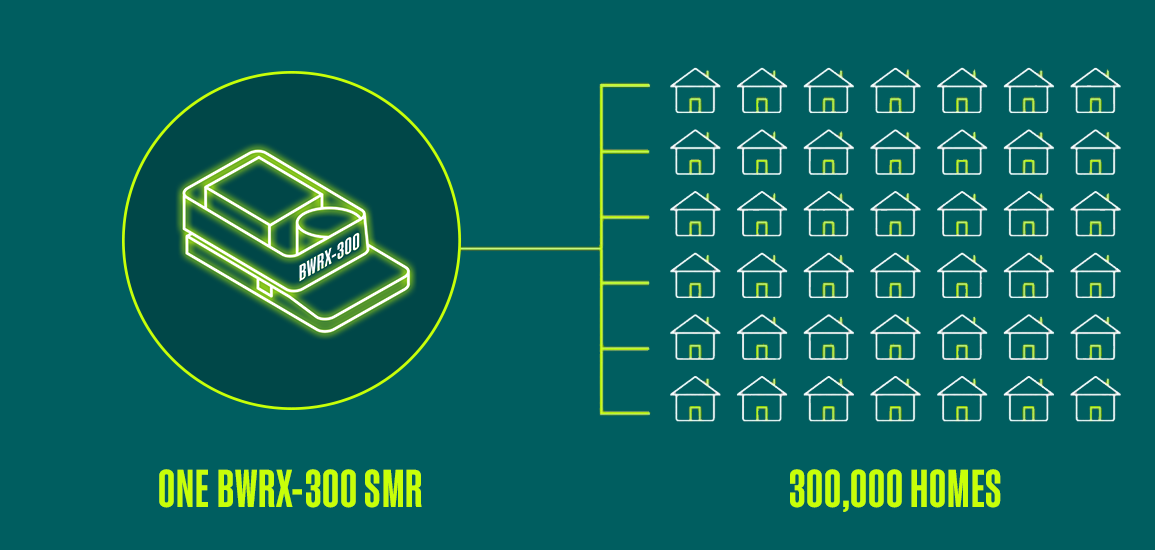
The BWRX-300 SMR is engineered to produce up to 300 MW of electricity, enough to power approximately 300,000 homes.
A legacy of achievement
1939
First GE involvement in nuclear physics
1955
GE Atomic Division established
1957
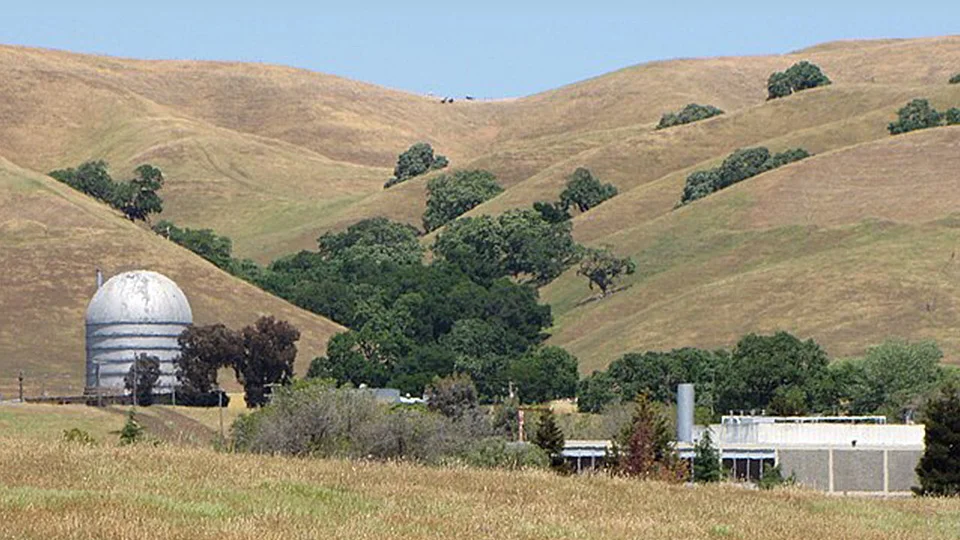
Vallecitos BWR AEC License #1
1962
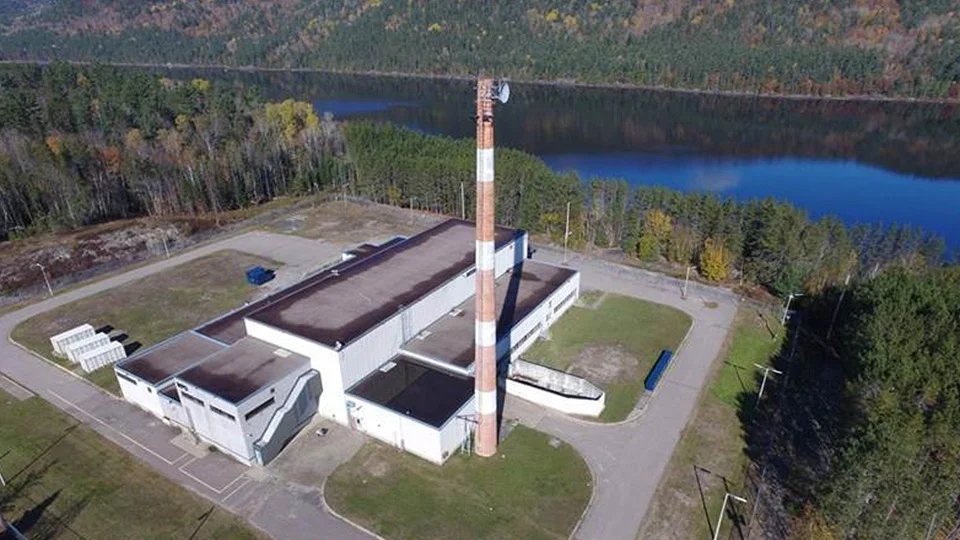
NPD achieves full power—first reactor in Canada
1974
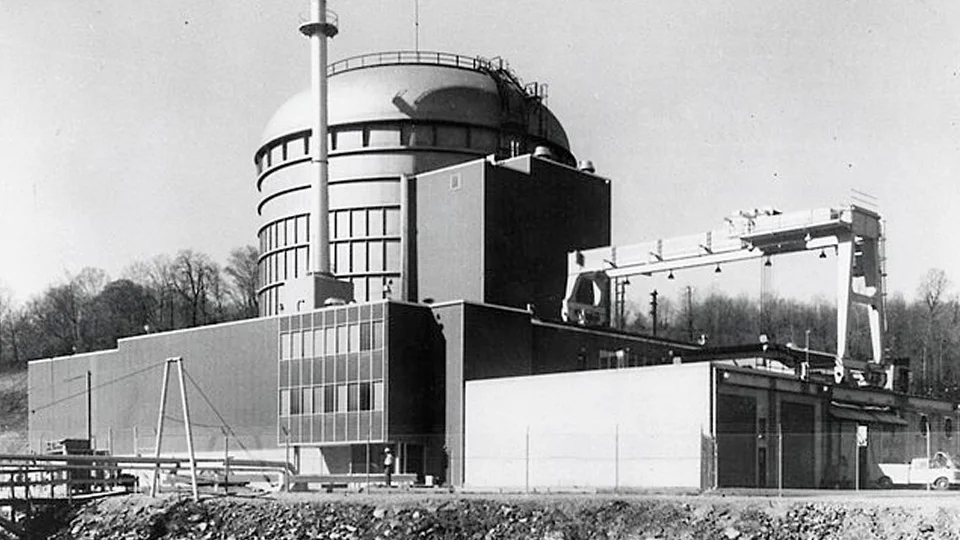
25th BWR—Peach Bottom Unit 3
1986
50th BWR—River Bend Nuclear Generating Station
1996
1st Gen III reactor (ABWR) built on-time on-budget
2014
ESBWR U.S. NRC License
2017
BWRX-300 launched
2020
Natrium™ launched
2022
First commercial contract for BWRX-300
2023
TVA, OPG, and SGE invest in BWRX-300 common design
2024
BWRX-300 completes Step 1 of UK’S GDA process
2025
Darlington site receives full approval for BWRX-300 construction
Blogs
Recent developments
Stay updated with the latest developments on the BWRX-300 small modular reactor.
Subscribe for updates on the BWRX-300 and other nuclear-related news.
Further reading
Contact us
*Decarbonization, as used in this document, is intended to mean the reduction of carbon emissions on a kilogram per megawatt hour.
**Carbon-free, as used in this document, refers to the absence of carbon dioxide emissions during nuclear power generation and does not include indirect lifecycle emissions.