



1350–1520 MWe

net power generation range

5

countries licensed for operation

40

reactors currently operational globally

BWR vs PWR

The difference between boiling water reactors and pressurized water reactors

Most reactors operating in the world today are either boiling water reactors (BWRs) or pressurized water reactors (PWRs). Both types heat water to produce steam that drives turbines to generate electricity, and both use water (H₂O) as the steam source, coolant, and neutron moderator. The key difference between the two lies in how that steam is generated.

The steam generation process

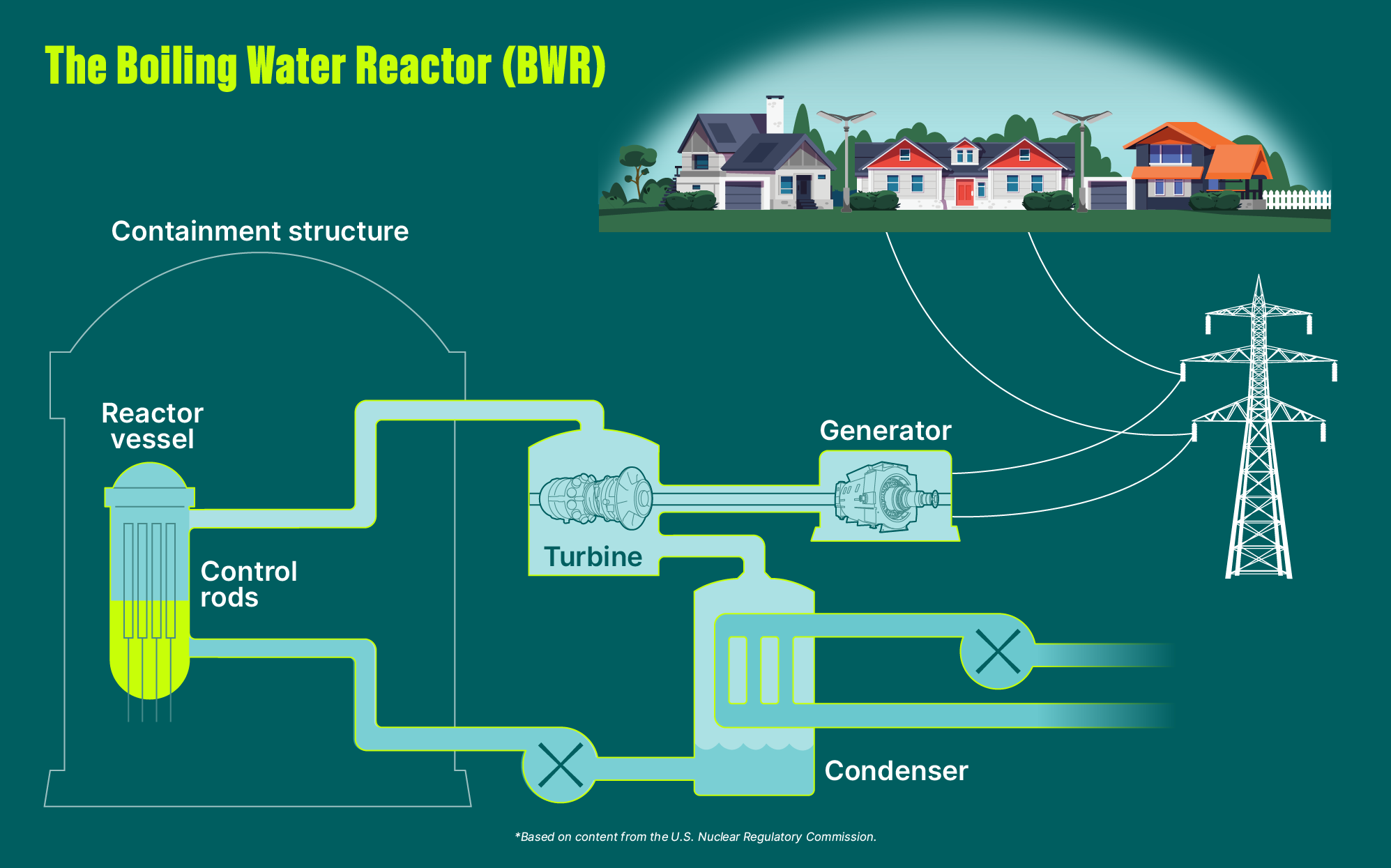
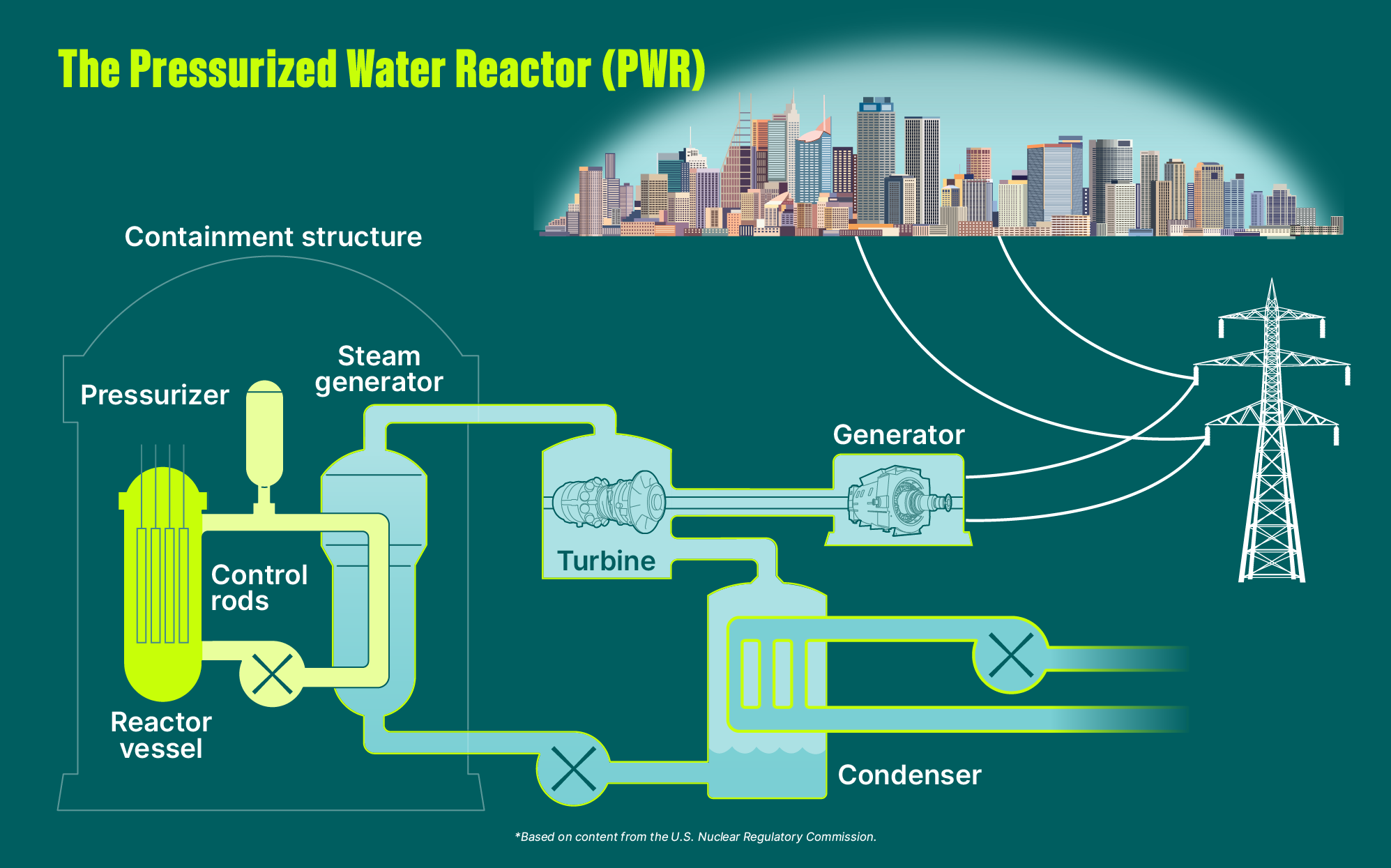
In a BWR, steam generated in the reactor pressure vessel (RPV) is directly fed to the steam turbine generator. In a PWR, heat is transferred into a separate water loop within a steam generator, which then boils the water before it reaches the steam turbine generator. The diagrams below illustrate both systems.

ODC00490-01 BWR-Infographic_evergreen_day.png
ODC00490-02-PWR-Infographic_evergreen_day.png

GVH’s BWR portfolio

Built on a legacy of proven and reliable operation

GE Vernova’s history of large boiling water reactor (BWR) technology dates to the 1950’s. In 1957, the company’s Vallecitos boiling water reactor was the first privately owned and operated nuclear power plant to deliver significant quantities of electricity to a public utility grid. Over the next several decades, more than 60 GE Vernova BWRs went into operation with the first Advanced Boiling Water Reactor (ABWR) entering operation in 1996. GVH’s Generation III+ reactor, the Economic Simplified Boiling Water Reactor (ESBWR) was certified by the U.S. Nuclear Regulatory Commission in 2014.

GVH’s portfolio of modular reactors offer the safest and most efficient nuclear energy generation capability available. Plus, we offer a full range of new and existing nuclear plant services to help you achieve greater project development, execution, and maintenance.

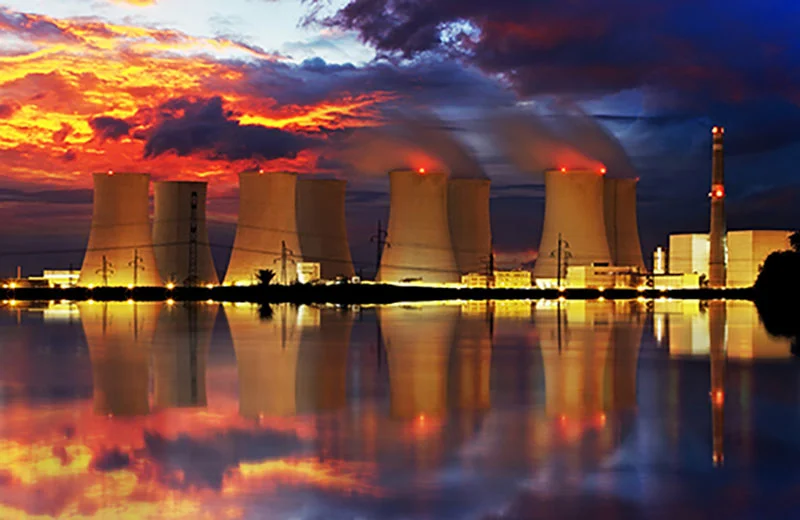
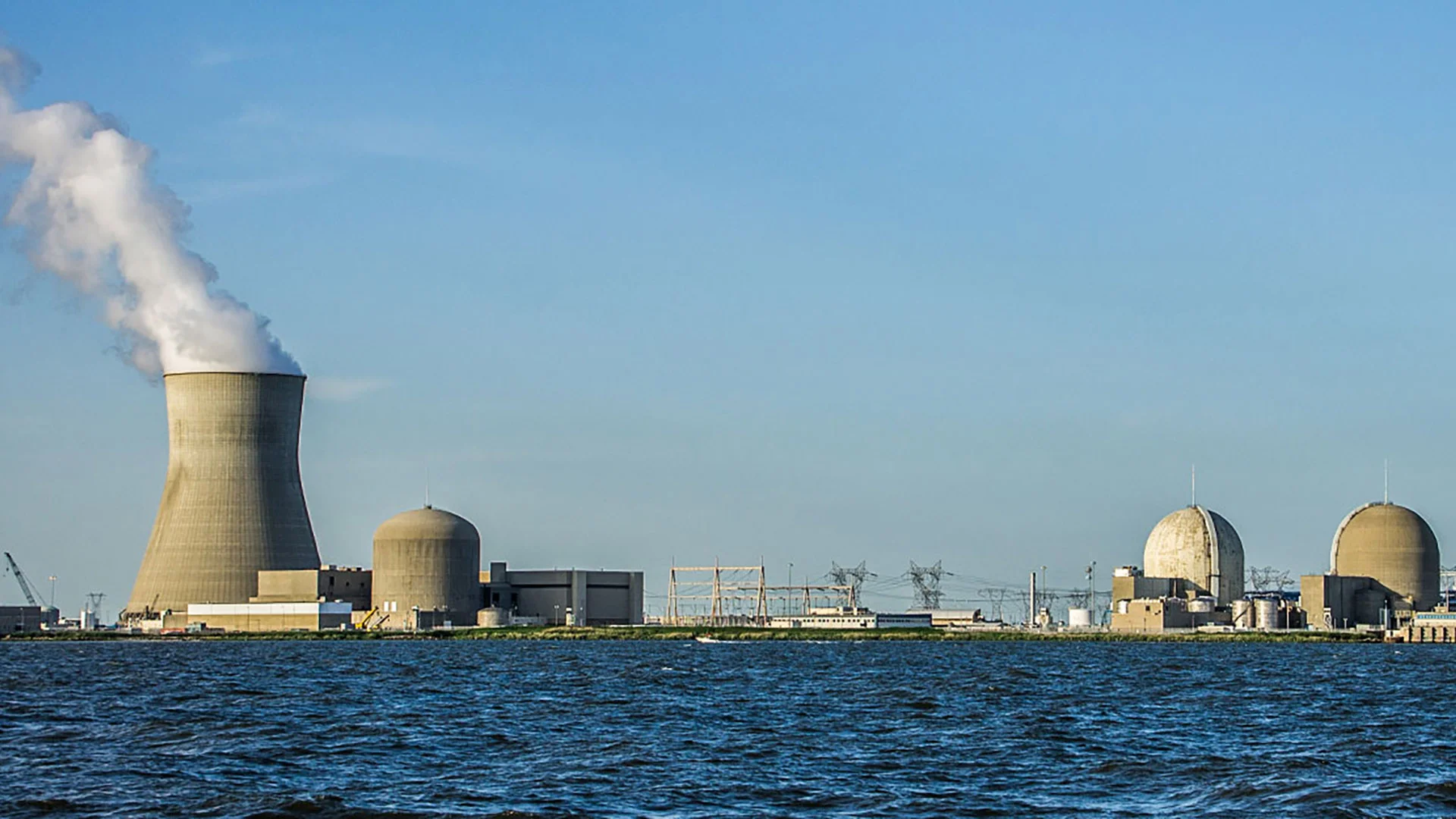
Nuclear power plant by night

Advanced Boiling Water Reactor (ABWR)

The ABWR is the foundation of GVH’s nuclear reactor portfolio. The first Generation III nuclear plant operating, it offers the benefits of a combined 20+ reactor-years of safe, successful operation

ProEXR File Description

=Attributes=
cameraAperture (float): 36.000000
cameraFarClip (float): 3494.400391
cameraFarRange (float): 1000.000000
cameraFov (float): 47.961872
cameraNearClip (float): 3.030000
cameraNearRange (float): 0.000000
cameraProjection (int): 0
cameraTargetDistance (float): 200.000000
cameraTransform (m44f): [{-0.903995, -0.207278, 0.373938, 205.602}, {0.427544, -0.438267, 0.790651, 312.851}, {0, 0.874619, 0.484812, 332.322}, {0, 0, 0, 1}]
channels (chlist)
compression (compression): Zip16
dataWindow (box2i): [0, 0, 4499, 5999]
displayWindow (box2i): [0, 0, 4499, 5999]
gamma (float): 1.000000
lineOrder (lineOrder): Increasing Y
pixelAspectRatio (float): 1.000000
screenWindowCenter (v2f): [0.000000, 0.000000]
screenWindowWidth (float): 1.000000

=Channels=
A (half)
B (half)
G (half)
R (half)
VRayDRBucket.A (half)
VRayDRBucket.B (half)
VRayDRBucket.G (half)
VRayDRBucket.R (half)
VRayExtraTex_Map #47.A (half)
VRayExtraTex_Map #47.B (half)
VRayExtraTex_Map #47.G (half)
VRayExtraTex_Map #47.R (half)
VRayReflection.A (half)
VRayReflection.B (half)
VRayReflection.G (half)
VRayReflection.R (half)
VRayRefraction.A (half)
VRayRefraction.B (half)
VRayRefraction.G (half)
VRayRefraction.R (half)
VRayRenderID.A (half)
VRayRenderID.B (half)
VRayRenderID.G (half)
VRayRenderID.R (half)
VRaySampleRate.A (half)
VRaySampleRate.B (half)
VRaySampleRate.G (half)
VRaySampleRate.R (half)
VRayShadows.A (half)
VRayShadows.B (half)
VRayShadows.G (half)
VRayShadows.R (half)
VRayZDepth.A (half)
VRayZDepth.B (half)
VRayZDepth.G (half)
VRayZDepth.R (half)

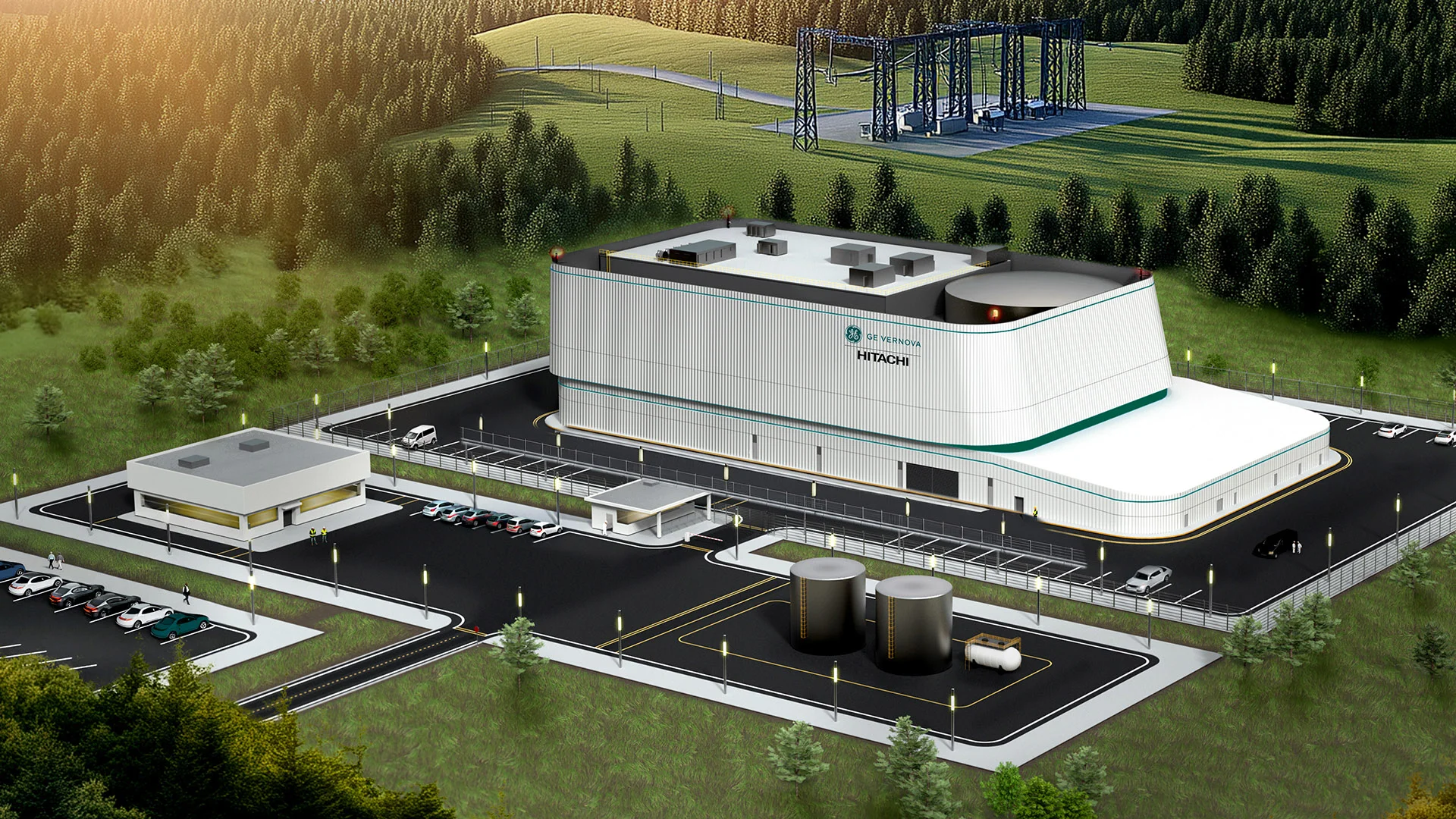
Economic Simplified Boiling Water Reactor (ESBWR)

Built upon the ABWR’s proven technology, the ESBWR achieves even greater simplicity in design. Using natural circulation, the ESBWR has 25% fewer pumps and mechanical drives than existing active safety plants.

Further reading

Additional large BWR information

Contact us

Want to learn more about GVH’s large boiling water reactors?