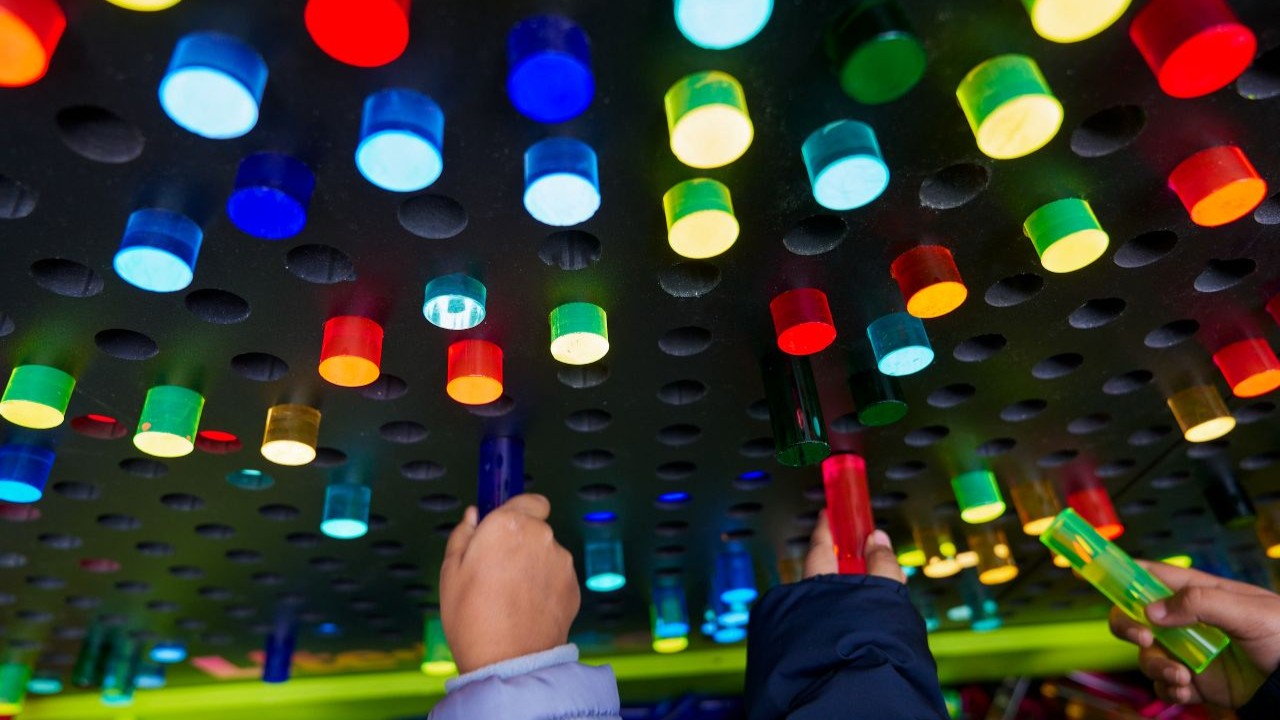
The world’s energy challenges unfold on long timelines, stretching across generations. Addressing them requires sustained innovation, driven by people with curiosity, creativity, and collaborative instincts — many of whom are still children today.
Nurturing those young minds is central to GE Vernova’s long-term view on talent development. Research consistently shows that hands-on learning experiences can help children develop critical problem-solving, creative, and systems-thinking abilities. So-called STEM toys — play-based tools that introduce ideas from science, technology, engineering, and math through building, experimentation, and exploration — are a key part of this.
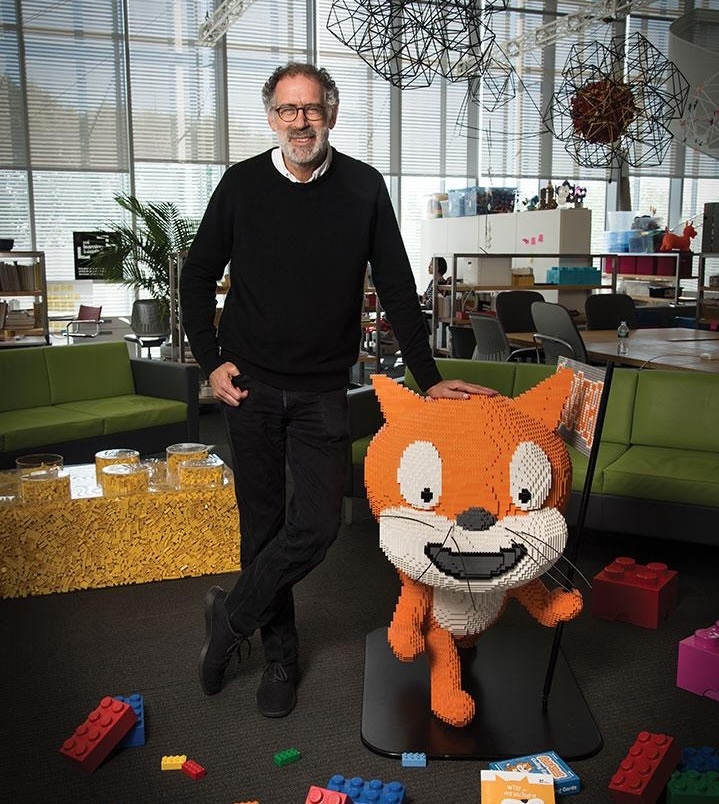
To explore why play is so central to how young people learn and develop, we spoke with Mitchel Resnick, a professor of learning research at the MIT Media Lab who is widely known as the creator of Scratch, the visual programming platform that allows kids to build their own stories, games, and animations.
THE CURRENT: You’ve spent decades studying how children learn. Why is making and creating so central to that process?
RESNICK: What we’ve found is that learning happens through a continual back-and-forth between ideas and action. When children create something, it sparks new ideas — and those ideas lead them to create again. I often describe this as a spiral of learning.
This can take many forms: building with blocks, creating an animation, writing a story. What matters is that children are actively designing and making things. Reflection, experimentation, and iteration are habits of mind that are essential later on, when people are faced with complex, real-world challenges — whether in energy, climate, or other systems that don’t have simple answers.
Some toys seem to leave a lasting impression, while others are quickly forgotten. What makes the difference?
We identified four principles that support creative learning, which we call the Four Ps: projects, passion, peers, and play. “Play” here doesn’t just mean fun — it’s an attitude of trying things out, taking risks, and learning from mistakes.
Toys that support those four elements tend to have a lasting impact because they help learners develop confidence in tackling open-ended problems — the same kinds of problems they’ll encounter when working on large-scale systems like infrastructure, energy networks, or environmental solutions.
Do effective learning experiences require expensive or high-tech toys?
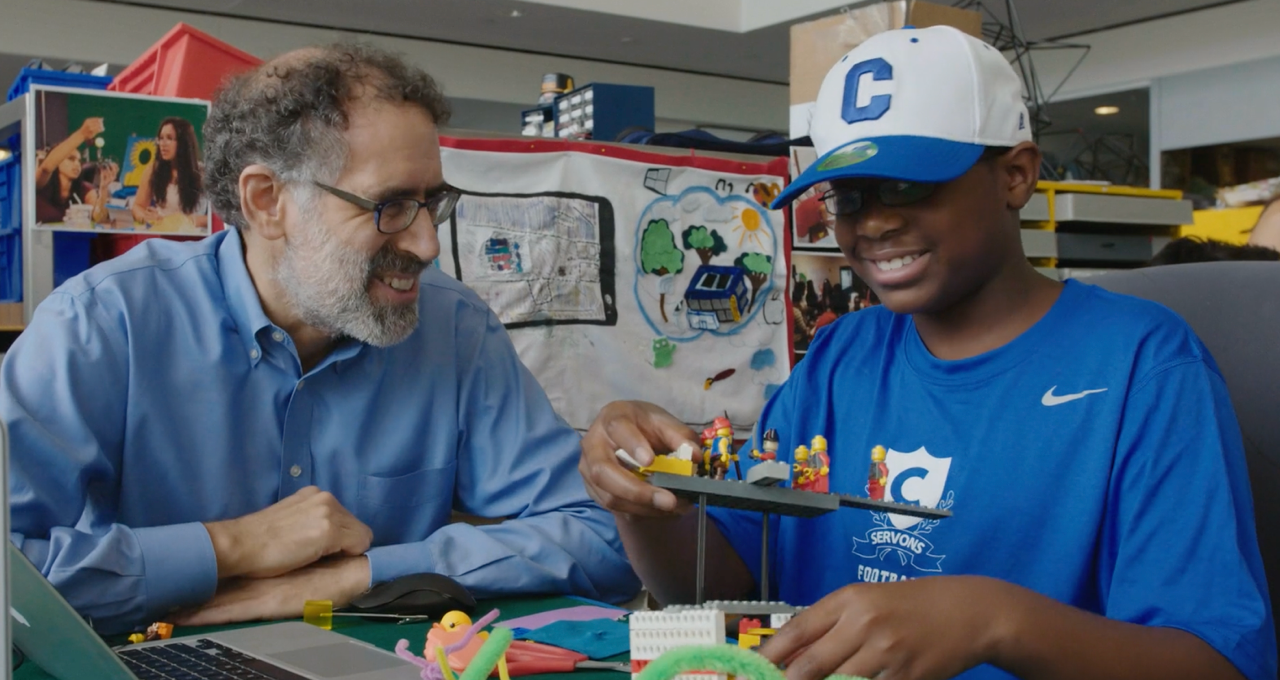
Not at all. You can do powerful creative learning with simple materials — paper, cardboard, markers, craft supplies. The key isn’t sophistication; it’s how the activity is structured.
As long as children are encouraged to create projects, follow their interests, collaborate with others, and experiment freely, meaningful learning can happen. Technology can expand what’s possible, but it’s not a requirement.
Is there a risk that STEM toys start to feel like homework rather than play?
Yes, and that’s something we’re very mindful of. When activities feel imposed or disconnected from children’s interests, engagement drops.
When we developed Scratch, we always asked whether kids would want to use it on their own, not just in school. It’s important to connect learning to meaningful ideas and to children’s interests. When that balance is right, learning feels natural rather than forced — and children are more likely to stick with challenging topics over time.
How should parents think about concerns around screen time?
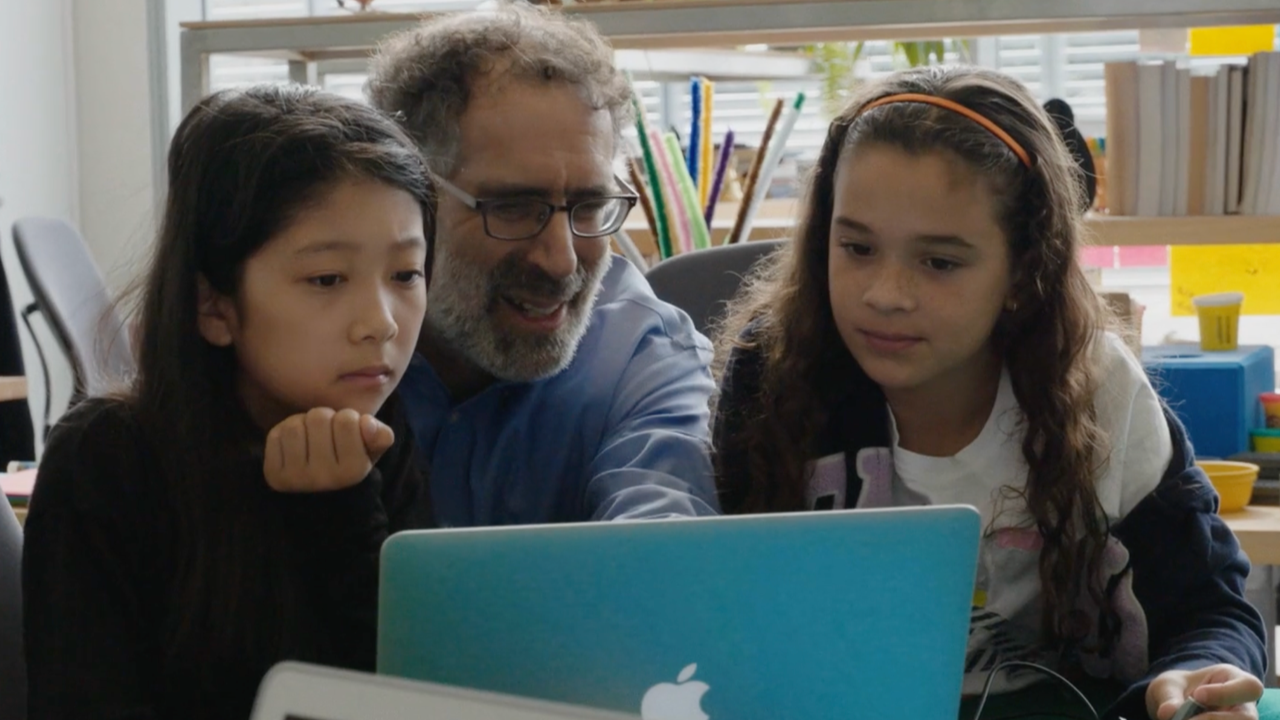
There are passive and unproductive uses of screens, but there are also highly creative ones. Some children enjoy building things physically; others prefer creating digitally. What matters is whether they’re designing, experimenting, and expressing themselves. The goal should be to maximize creative time while maintaining balance across activities. Those creative habits translate across domains, including how people later approach technical or environmental problems.
From an industry perspective, what matters most when thinking about future talent?
It’s very difficult to predict which specific technical skills will be most important decades from now, especially in fast-moving fields like energy and climate technology. What we can be confident about is the value of helping young people grow up as creative, curious, caring, and collaborative learners. Those qualities allow people to adapt to change, work across disciplines, and tackle complex challenges together.
How should children be introduced to big challenges like climate change or energy systems?
With younger children especially, it’s better to start with systems they can observe and understand locally — things in their everyday environment.
For example, they might explore how energy moves through a simple circuit, how an aquarium stays in balance, or how different parts of a system depend on one another. By understanding smaller systems first, children develop ways of thinking that later help them engage with much larger, more complex challenges.
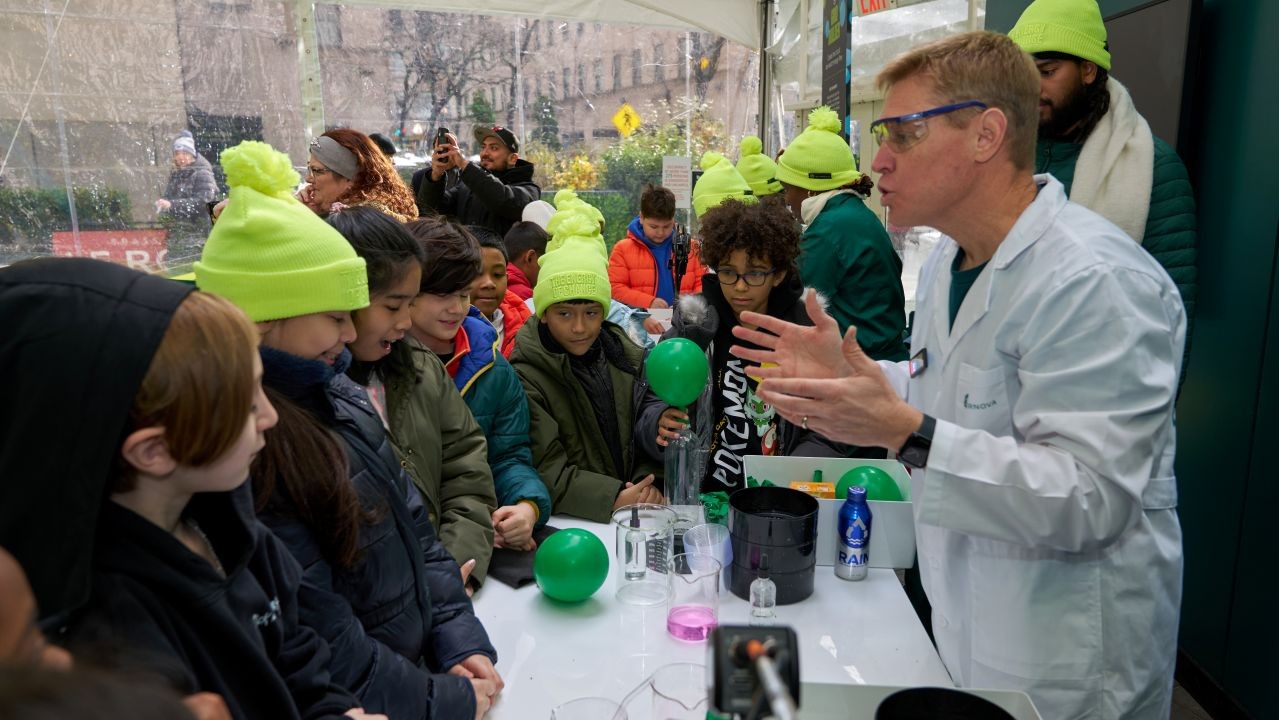
Play: The First Step Toward Future Innovators
Supporting the next generation of innovators is key to GE Vernova’s long-term talent strategy. This includes an alliance with the Massachusetts Institute of Technology to promote energy and climate research and early-career training, as well as a record-breaking global STEM toy drive that distributed more than 70,000 play sets worldwide. In December the company hosted an Innovators Toy Land, a first-of-its-kind experience where kids of all ages could explore STEM toys alongside GE Vernova scientists. Speaking about the initiative, Scott Strazik, CEO of GE Vernova, said, “To me, success means that many of the kids who visited Innovators Toy Land today — or who receive a toy through the Toy Drive — get excited about STEM through play and, one day, bring their big ideas to help shape the future of energy. Innovators wanted.”