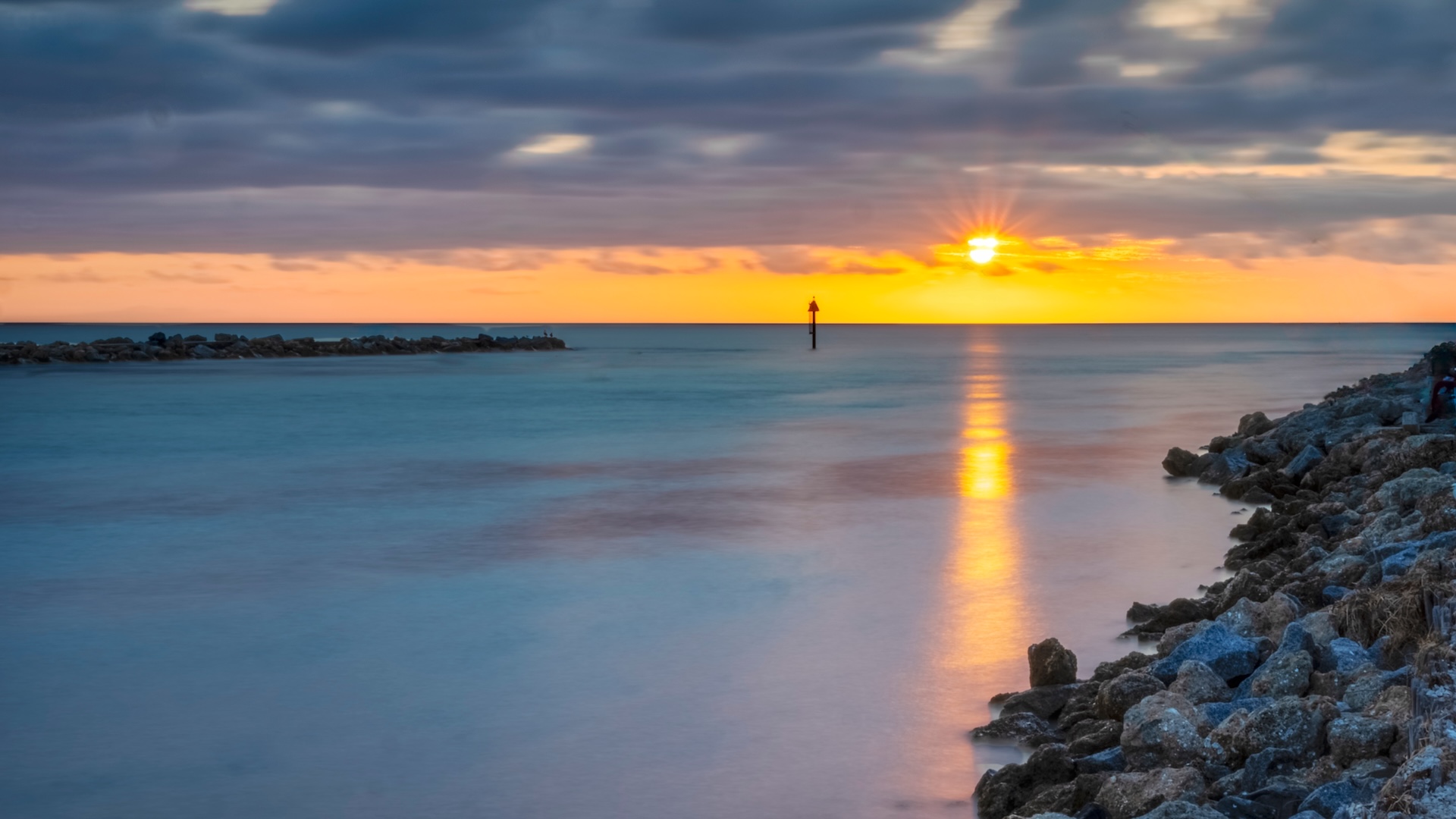
Making good on their nickname, Sunbelt States from Georgia to Arizona are building lots of new solar these days. Texas is currently leading the way, but plenty of other states are cranking up their growth. In the past 12 months, Mississippi has grown solar 73%, and Louisiana has been even more aggressive, hitting 90%, according to the Energy Information Administration.
Related News
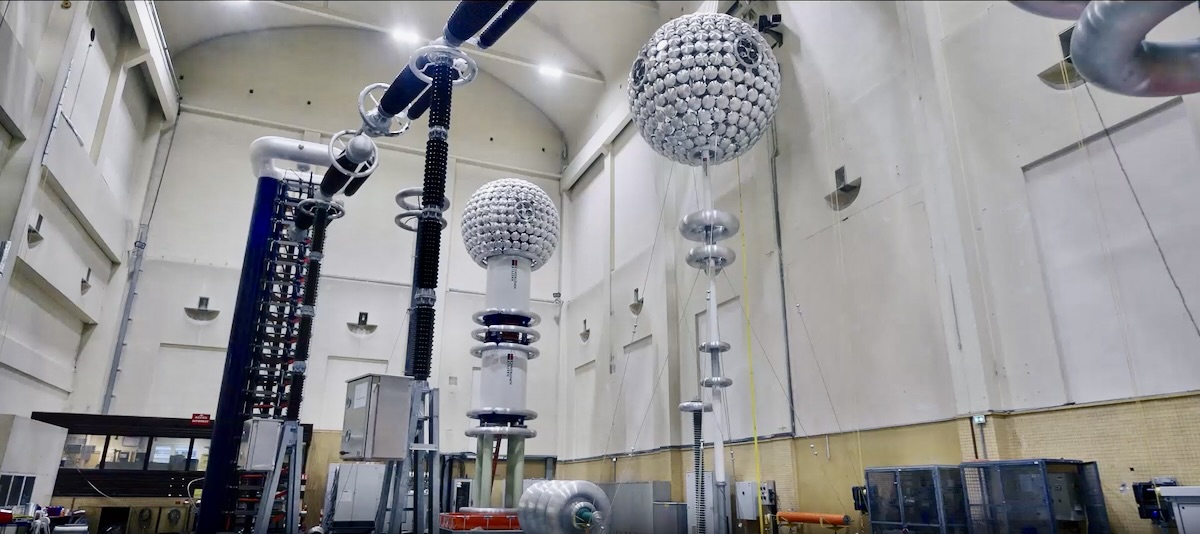
Power Transmission: This Research Center in France Is Playing a Key Role in Building Tomorrow’s Grid
Related News
As Spain Went Dark, the Lights Stayed on at Claudia Blanco’s Off-Grid Home. It’s a Wake-Up Call, Says the Exec

Just before midday on Monday, April 28, Claudia Blanco boarded a flight from Barcelona to Jerez de la Frontera, a small city in Spain’s southernmost region. Blanco, who is the chief innovation and artificial intelligence officer for GE Vernova’s Electrification Systems business, was looking forward to her week. Although her diary was crammed with meetings and deadlines, she was planning to work from her peaceful woodland home, just a 40-minute drive from Jerez’s airport.
Related News
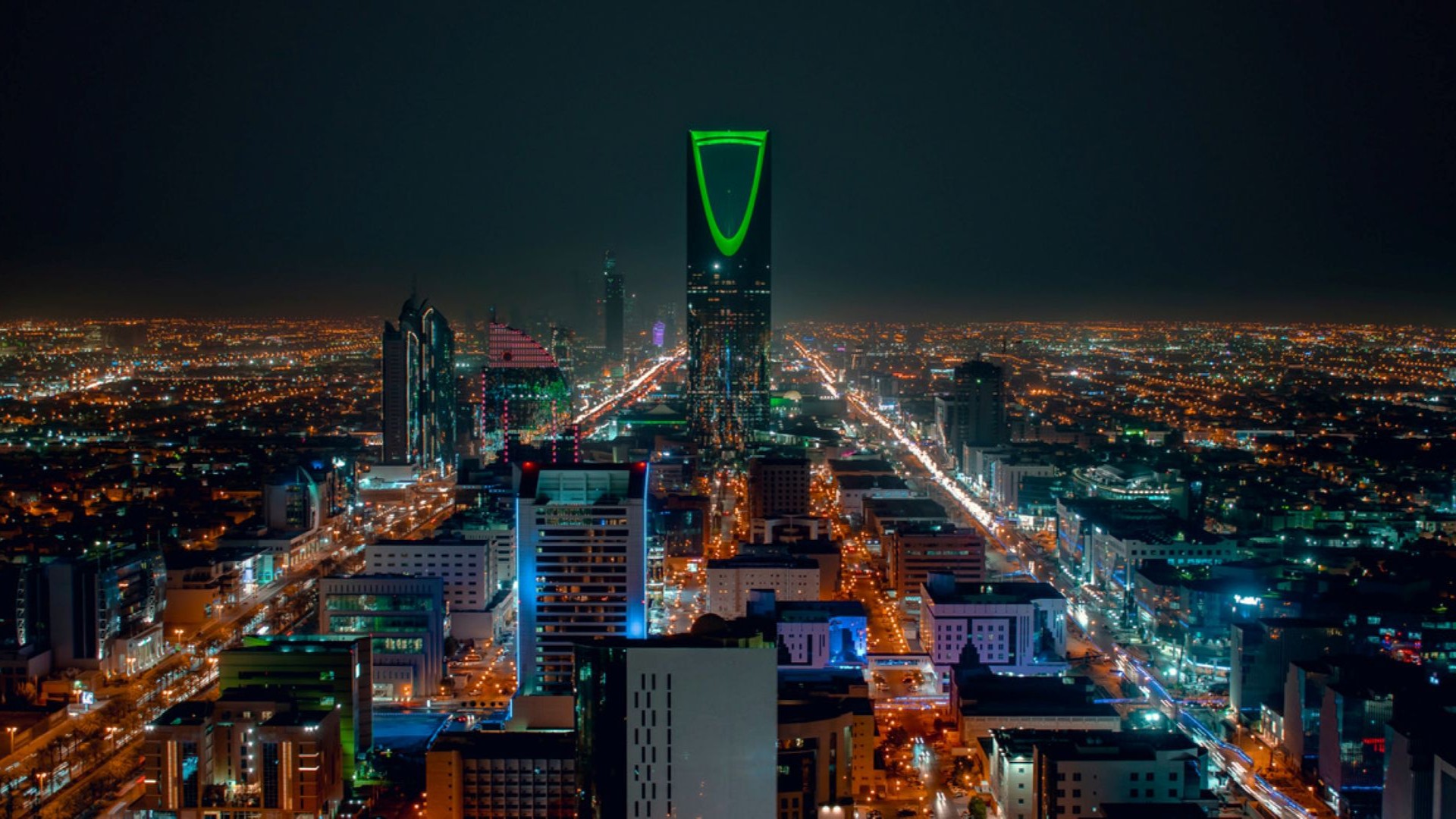
Phantom Power: Saudi Arabia Joins the Condenser Revival as the Kingdom of Oil Pursues Big Solar
The 2020s have a lot in common with the 1920s when it comes to the buildout of electrical power. Back then, grids were largely driven by coal, which was polluting, to be sure, but offered stability to big, national electrical systems with power plants that often ran uninterrupted for long periods of time. Then came hydropower, with its distant electrical power generators. Power engineers, trying to figure out how to transmit power from faraway places, developed an unusual machine called a synchronous condenser.
In Sync: How a Steam-Era Machine Can Upgrade the 21st-Century Electric Grid
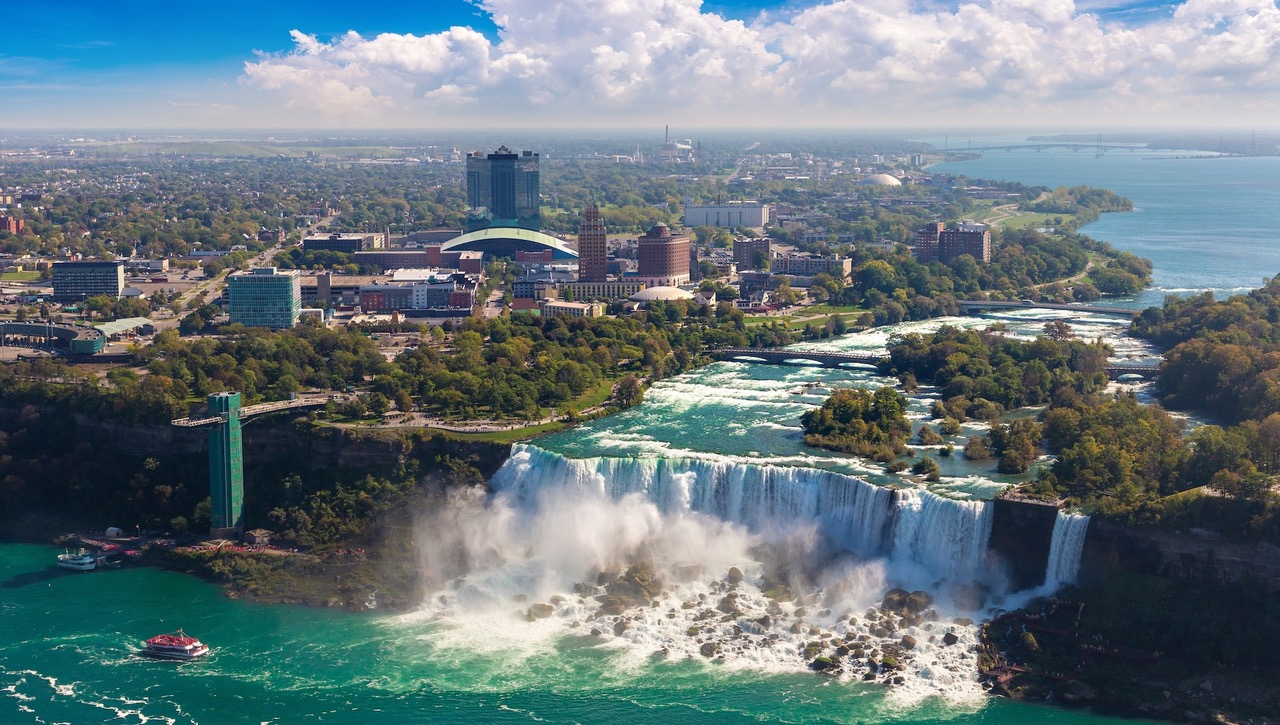
The peculiar machine described in the 1920 issue of GE Review — essentially a giant engine designed to produce no mechanical power — seems like nothing more than a charming relic from the early years of electrification.
Chief Engineer Rajib Datta Wanted to Paint on a Larger Canvas. His Work Will Have an Impact for Decades to Come
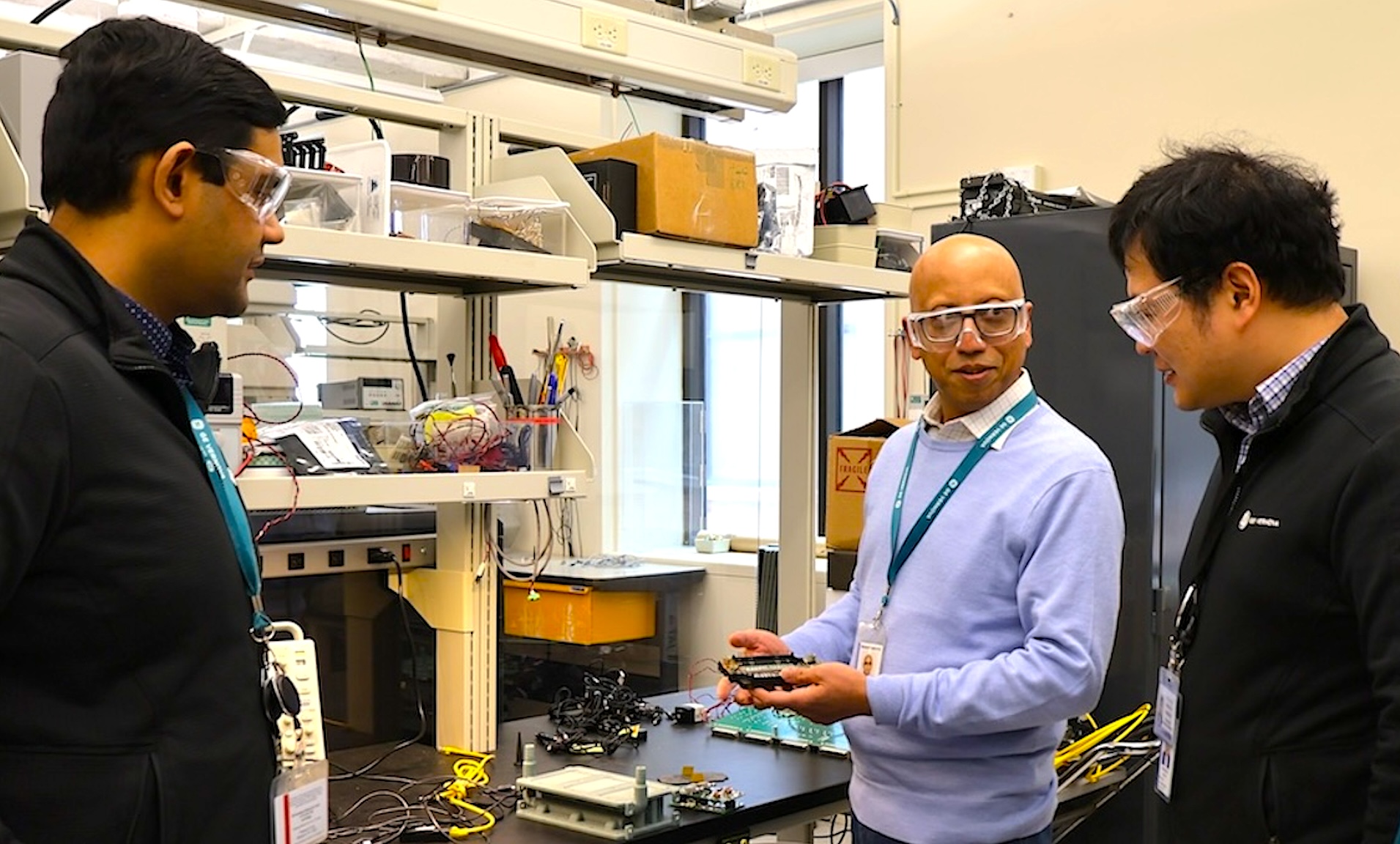
Before being accepted to the Indian Institute of Science, Rajib Datta contemplated a career as a fine artist. “I was good at math and physics, so I knew engineering or science was probably in my future,” he says. But he felt equally adept in the field that he’d pursued since childhood. A natural draftsman and painter, Datta still executes figurative works and sketches today, and now senses a resonance between visual art and his pioneering work with GE Vernova in the field of power electronics.