With demand for electricity rising fast, expanding access to power while reducing emissions is becoming more urgent. Getting there will require new systems, new ways of working, and, most importantly, people who can bring it all together.
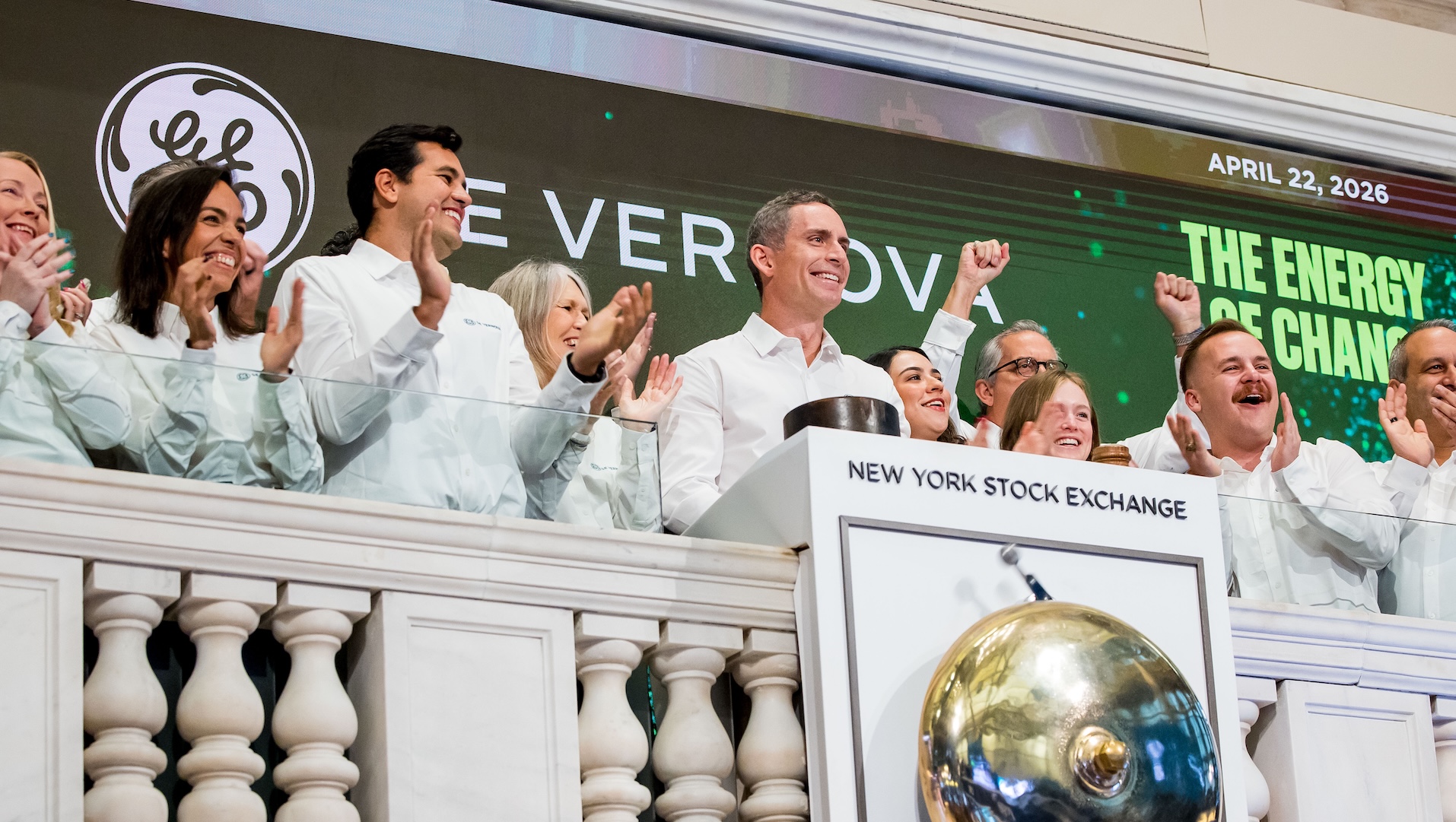
On April 22, as the world marked Earth Day, 15 GE Vernova employees gathered at the New York Stock Exchange to ring the closing bell. They represented thousands working across regions, roles, and technologies, united by a shared mission to electrify the world while building a more sustainable energy future.
Two Years In, GE Vernova Is Reshaping the Energy Future
The world’s demand for energy is growing at a pace that’s increasingly difficult to match — and two years into its journey as a standalone company, GE Vernova is meeting the challenge head-on. The company is helping energy customers find reliable, cost-effective solutions for today that can be quickly scaled to meet the needs of tomorrow. Here are just a few of them.
Electrifying the Future of Data Centers and AI
Related News
In Vietnam, Sustainable Energy Is Going from Big Idea to Revolutionary Reality
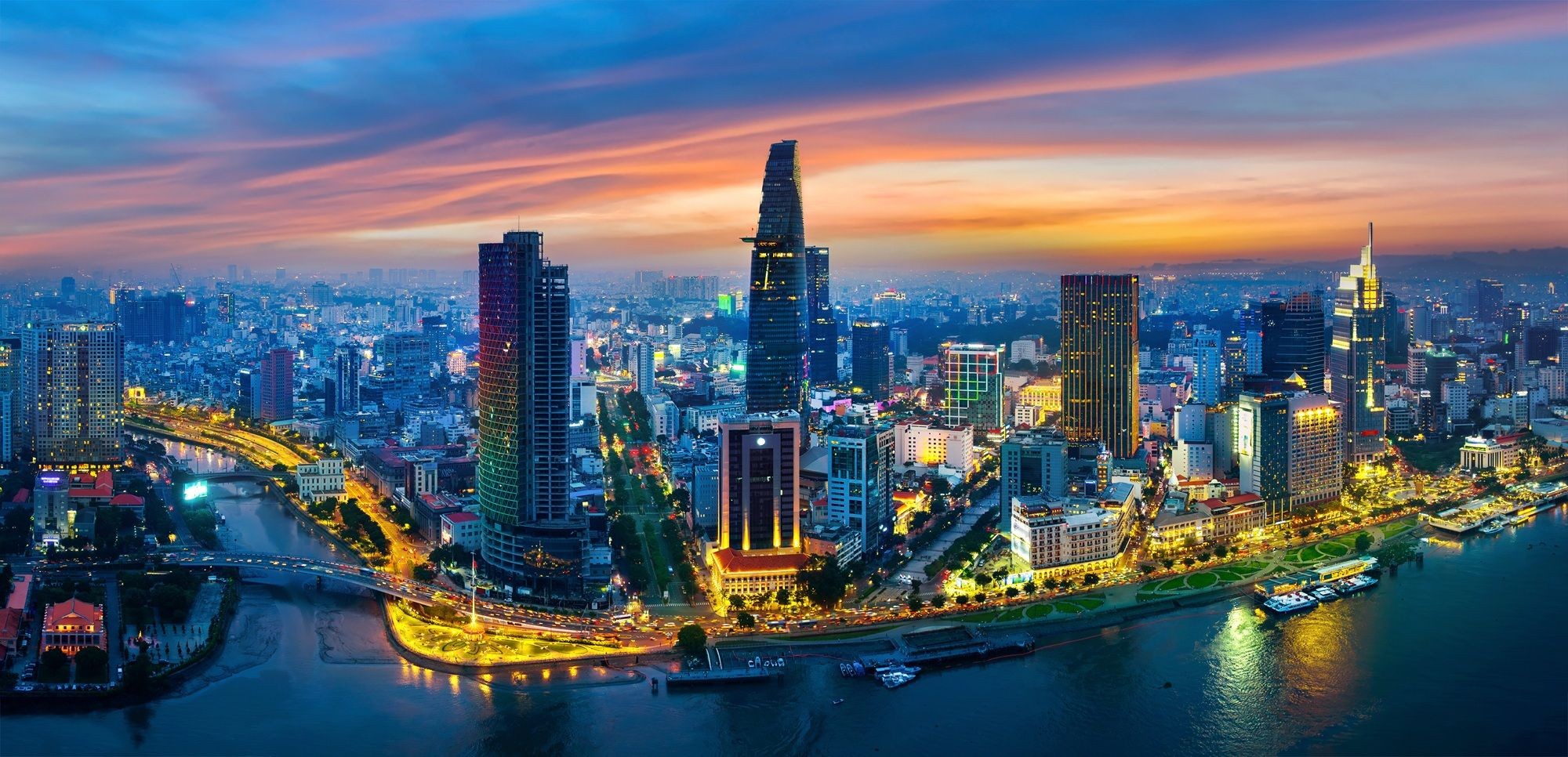
How does one of the world’s fastest-growing economies keep the lights on while rewiring its future to meet the needs and goals of a net-zero world? This is the question being asked today in Vietnam, a nation at an exciting crossroads, balancing rapid economic growth with the imperative to build a cleaner, more resilient energy system.
Related News
A Fast-Tracked Wind Project Accelerates Australia’s Path to Net Zero
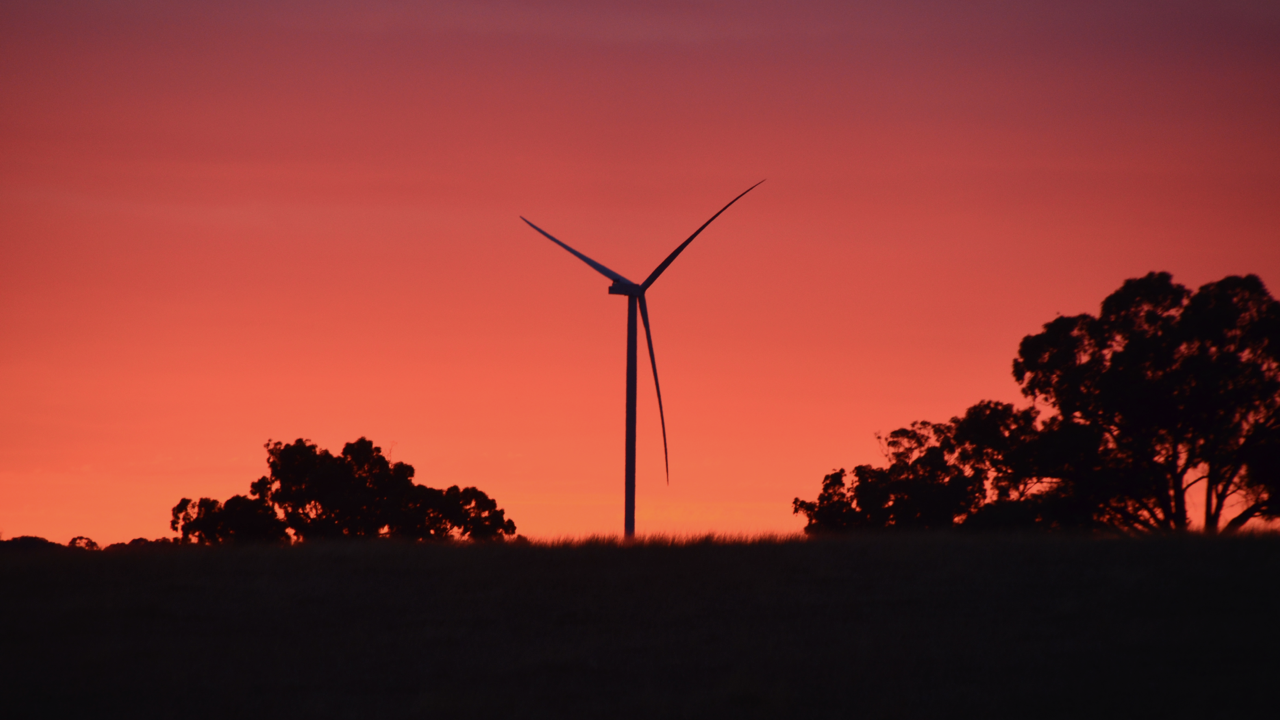
Getting huge infrastructure projects built requires resources, patience, technical know-how, and a certain amount of ambition. In the case of Aula Energy’s newest wind farm, in remote South Australia, it also took teamwork among a diverse group of experts from various organizations who had to coordinate everything from building new roads to studying unlikely power outages under a tight deadline.
Related News
Power on Wheels: How Innovative Technology Helped Stabilize Electricity Supply in Southern Tanzania
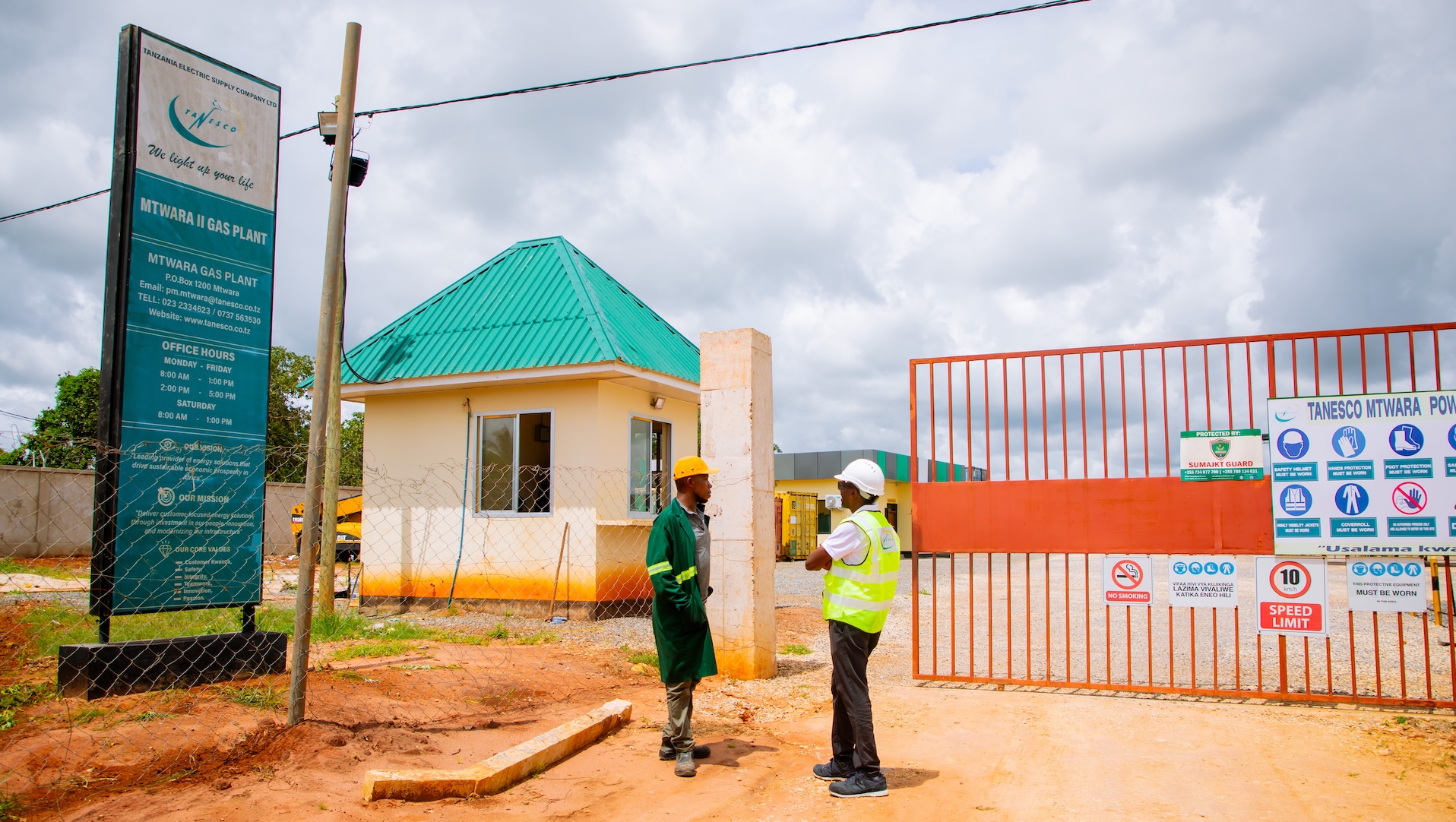
Tucked away on Tanzania’s southeastern coast, not far from the border with Mozambique, Mtwara is a region with vast potential. Rich in both onshore and offshore natural gas, it has become central to government plans for long-term economic growth. Yet, until recently, power demand was outpacing the available power supply in the region.
Related News
Inside the Women-Led Factory in Vietnam That’s Meeting Rising Wind Power Demand
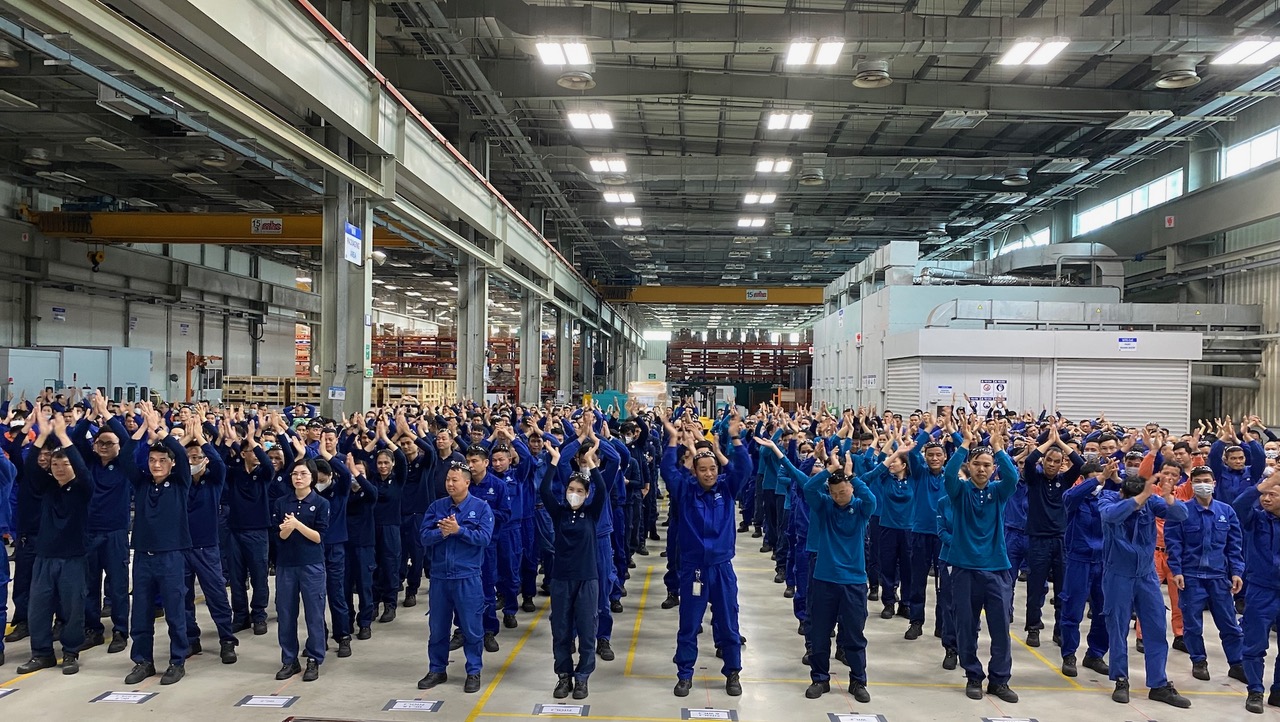
Wind power is entering a period of accelerated growth. By the end of the decade, global capacity is expected to nearly double, to more than 2,000 gigawatts. Meeting that demand will require not only new factories, but more from the ones already operating — producing at greater scale, moving faster, and operating more efficiently.
Out of Thin Air: Meet the Engineer Working to Remove CO2 from the Atmosphere
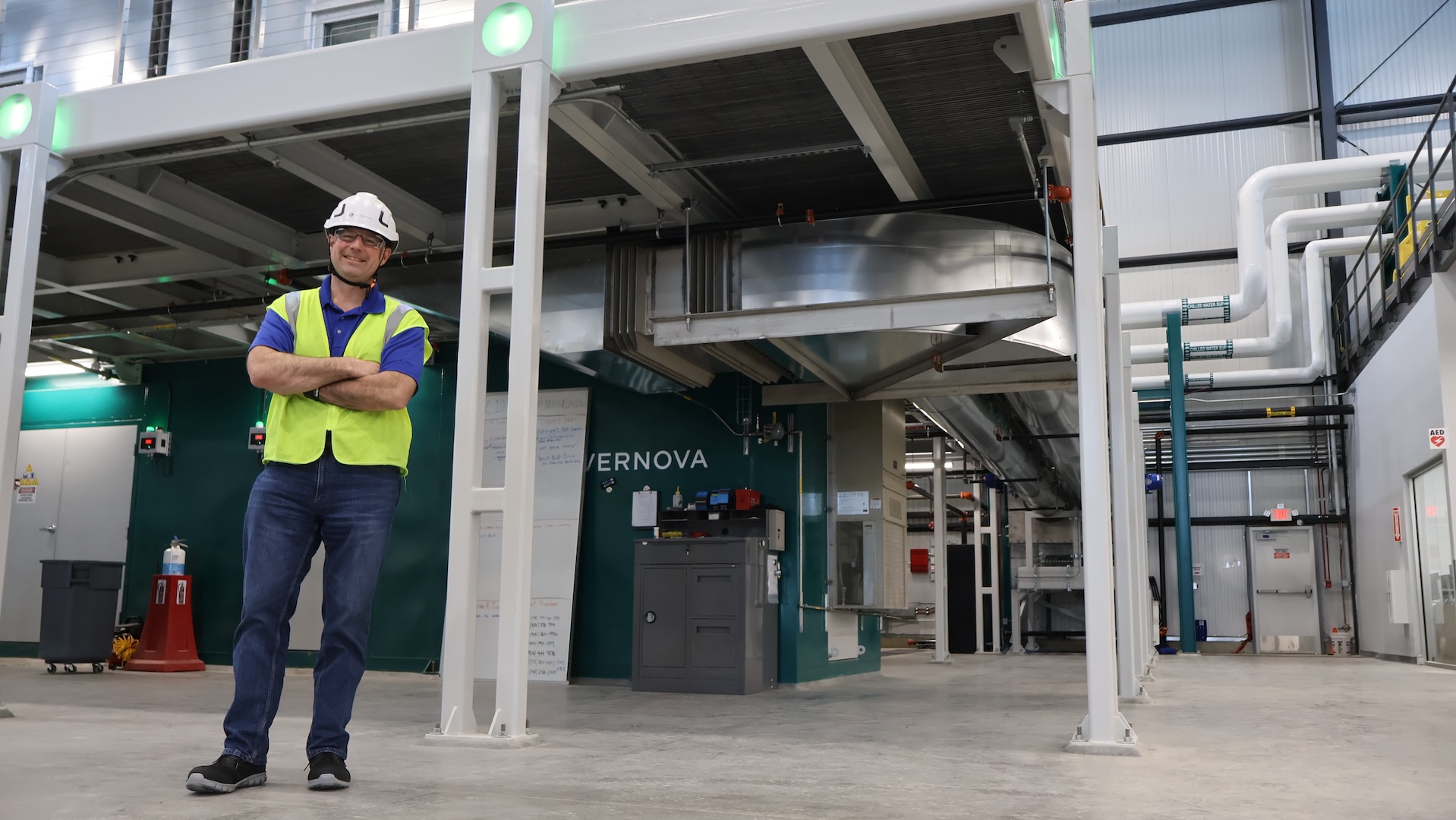
There isn’t one single remedy to solve climate change. It’s going to take a full toolbox of strategies to reduce the amount of carbon dioxide currently being pumped into the air and to maintain lower levels in the future. Companies are pivoting to renewable energy and more efficient processes, but ensuring a resilient grid requires a broad mix of technologies. This means not just using lower-carbon fuels and capturing emissions during before they enter the atmosphere, but removing them where they already exist.
Related News
Play to Innovate: How Engaging with STEM Toys Prepares Young Minds for Tomorrow

Related News
Advancing Futures: How GE Vernova Is Energizing People Through Training and Growth
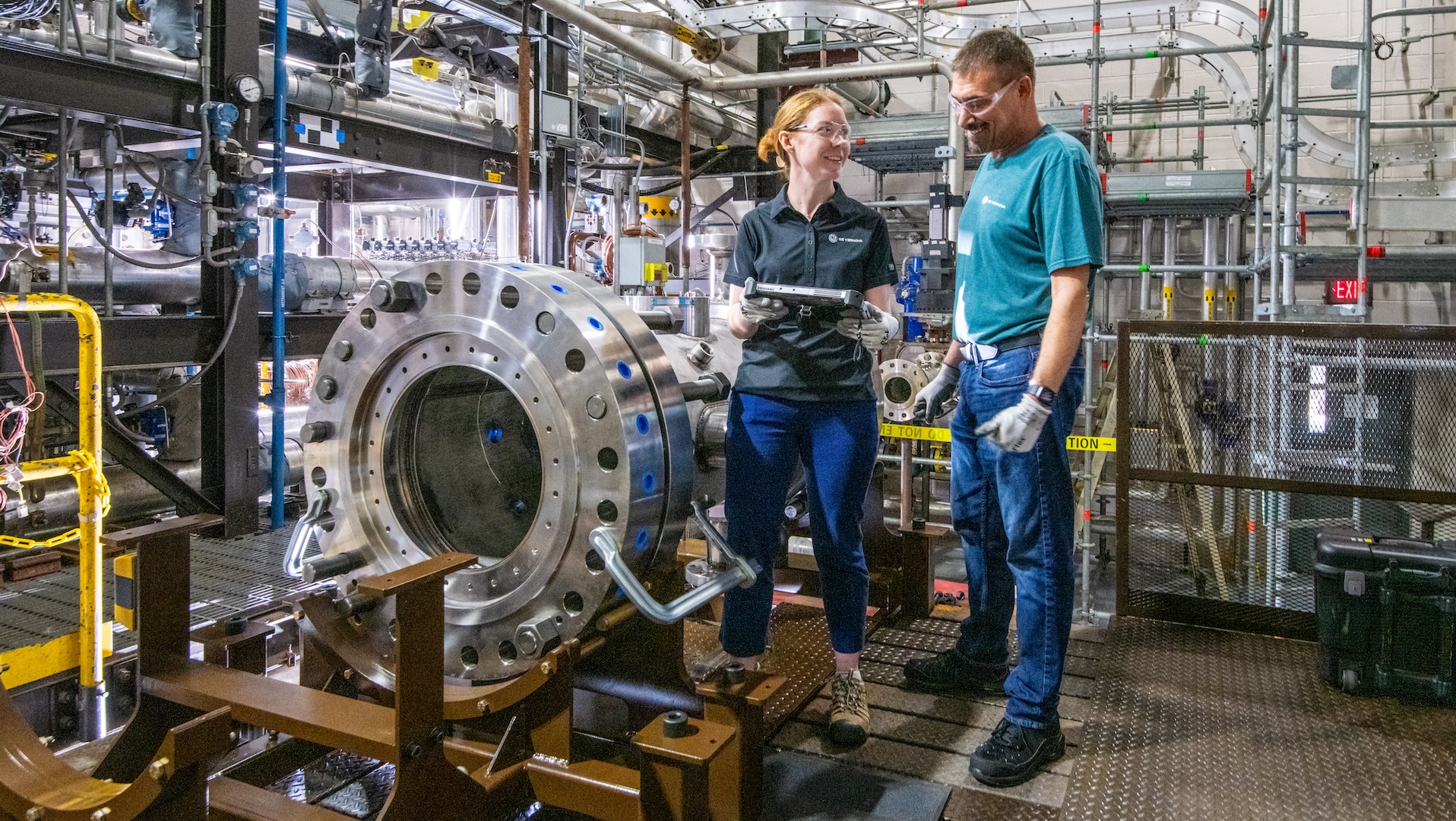
In today’s fast-paced world of innovation and transformation, staying ahead means more than just delivering high-quality, world-class technology and energy systems. It means investing in the people behind them.
When a company’s people grow, the business grows too. That’s why learning, development, and personal growth are important to GE Vernova. Its technical academies take employees on a learning journey through bespoke training programs that feature technical experts, classroom training, and hands-on opportunities.
Related News
Sparks of Wisdom: What We Learned This Year from 10 GE Vernova Innovators
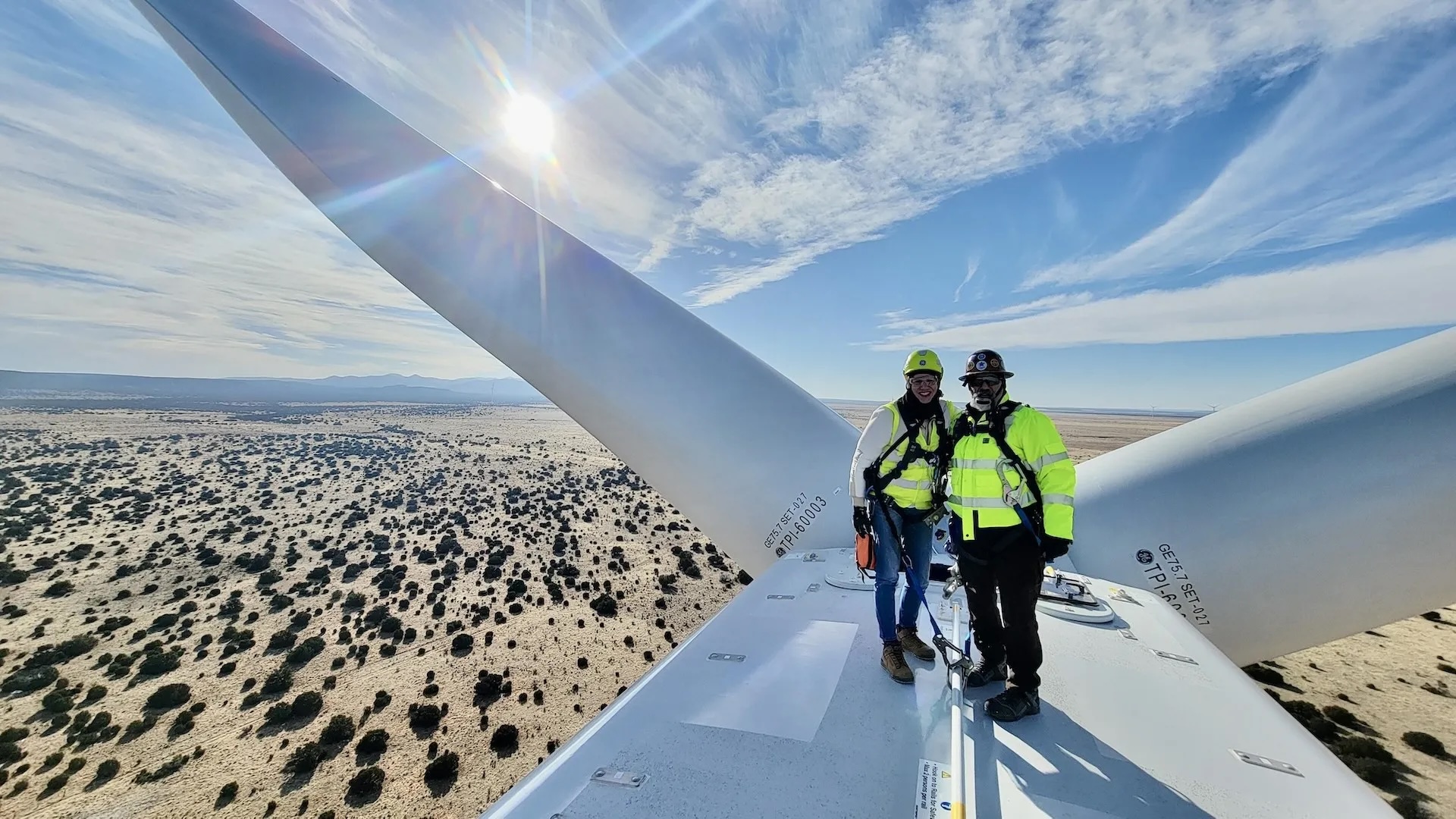
Earlier this year, GE Vernova CEO Scott Strazik wrote that helping to solve the energy challenges of tomorrow depends on the “gritty, never-give-up” hopefulness of its 75,000 employees. “What we’ve learned in our first historic year as GE Vernova is that the best way to do this starts on our factory floors, at the installed base, and in our research centers, all guided by a relentless sense of optimism in our capacity to create and lead positive change.”