What is generator rotor high-speed balancing?

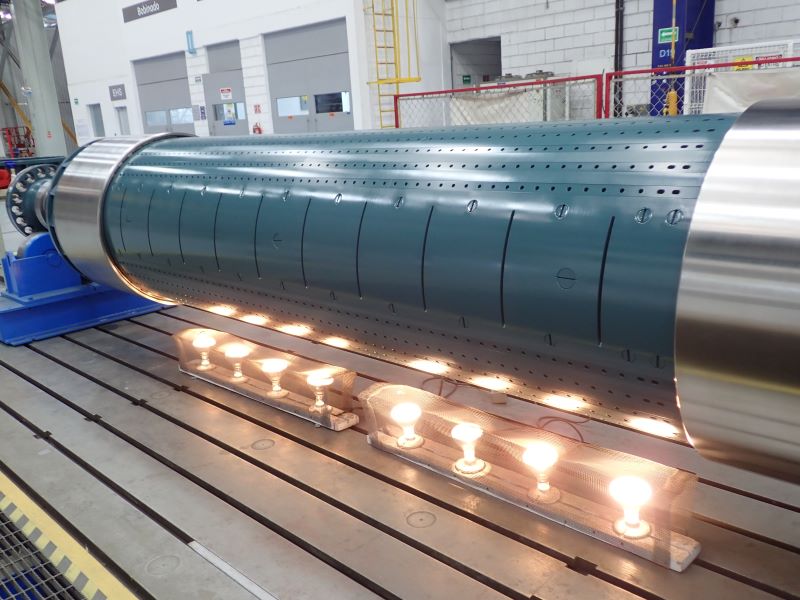
High-speed balancing is a critical procedure for maintaining smoother operation and performance of gas and steam turbine generator rotors. This process involves spinning the rotor at or near its operational speed to identify and correct any imbalances that could lead to vibrations, wear, or damage during operation. GE Vernova recommends high-speed balancing, particularly after significant changes such as a rotor rewind with new copper, cooling conversions, or major machining upgrades.

Multi-tier process

How does it work?

During high-speed balancing, GE Vernova follows a precise series of steps to help ensure accuracy and reliability:

1
Rotor preparation

The rotor is mounted in the high-speed balance machine, and any necessary components like couplings or blades are assembled to simulate operational conditions.

2
Spin-up

The rotor gradually accelerates to its operating speed, allowing sensors to monitor vibrations and identify any imbalances.

3
Imbalance detection

If an imbalance is detected, GE Vernova technicians use vibration data to pinpoint the location and magnitude of the issue.

4
Correction

Based on this data, technicians add or remove weights to balance the rotor. This process is repeated until balance is achieved.

5
Final testing

Once balanced, the rotor undergoes a final high-speed test to help ensure vibration levels are within acceptable limits.

Targeted support

What issues does high-speed balance address?

high-speed-balancing-image.jpg

High-speed balancing helps address several key performance issues:

  • Rotor imbalance: Corrects imbalances that could lead to excessive vibrations, wear, and potential damage.
  • Operational stability: Helps ensure smooth rotor operation at high speeds, reducing the risk of shutdowns or mechanical failure.
  • Prevention of wear and tear: Eliminates imbalance-related vibrations to help prevent excessive wear on bearings, seals, and other components, extending the generator's operational life.
high-speed-balancing-image2.jpg

What high-speed balancing does not address:

While high-speed balancing is an essential procedure, GE Vernova doesn’t recommend it as a solution for every issue. It will not address:

  • Structural damage: Fixing cracks or structural damage in the rotor will require separate inspections and repairs.
  • Misalignment: Correcting misalignment issues between the rotor and other components should be addressed independently.
  • Electrical faults: Addressing electrical issues, such as shorted turns or insulation failures in the rotor windings, should be done separately.
  • Material defects: Resolving material defects in the rotor should be performed independently.

Thermal sensitivity testing: the GE Vernova edge

Ready for your high-speed balance?

Get in touch with your GE Vernova representative for a thorough evaluation and a tailored solution to meet your needs. Using our R1 rotor checklist, we can help you make informed decisions about maintenance—saving time, reducing costs, and improving the reliability of your equipment.

Contact us

Need more information?