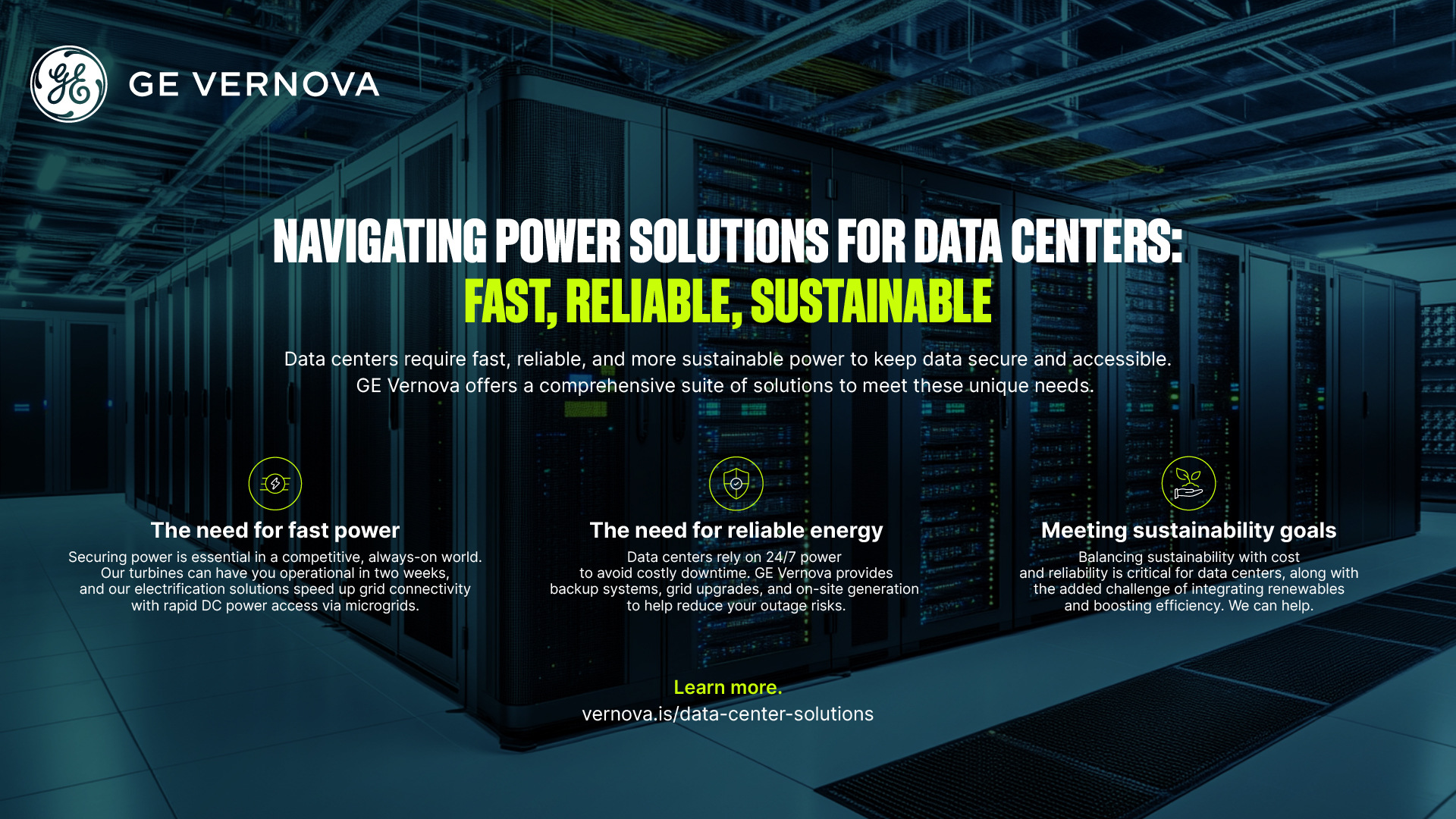
GE Vernova introduces medium-voltage UPS to help accelerate the buildout of AI factories and energy-intensive industries
-
Keeps critical AI and industrial operations running with stable, high-quality power, even when the power supply is disturbed, as well as helps protect gas turbines and grid network from drastic load fluctuations.
-
Moves power protection to true medium voltage, allowing much larger parts of an AI data center to be protected through one coordinated system, resulting in a simplified and less costly architecture
-
Adds a new building block, based on proven technologies, to GE Vernova’s end-to-end data center offering, strengthening its power-to-rack capabilities inside the facility
PARIS, France, (24 August 2026) – GE Vernova Inc. (NYSE: GEV) today announced its new medium-voltage uninterruptible power supply, or MV-UPS, designed to keep data centers, AI factories and other energy-intensive facilities running on stable, continuous, high-quality power around the clock.
Electricity demand is accelerating, and AI data centers are among its fastest-growing drivers. For these facilities, the central challenge is continuity, as even brief electrical disturbances can interrupt critical workloads. Their electricity demand can also shift sharply as workloads change, placing additional strain on the grid or generation sources supplying them and making such large loads more challenging to connect.
Today, UPS protection is typically applied at low voltage, after electricity has been stepped down. This means smaller sections of the facility are protected separately, while sudden changes in electricity demand can still be passed back to the grid or generation sources supplying the facility.
GE Vernova’s MV-UPS moves this protection to medium voltage, creating a stability block between the facility and its power supply. This allows one coordinated system to protect a much larger part of the facility, while also helping prevent sudden changes in electricity demand from being passed directly back to the grid or generation sources.
"Reliable, uninterrupted power is foundational to every energy-intensive industry, and AI data centers are raising that requirement to a new level of scale and complexity," said Philippe Piron, CEO of GE Vernova's Electrification segment. "That requires us to rethink how power is protected and managed inside these facilities. Our MV-UPS is the true end-to-end medium-voltage power stability solution for energy-intensive industries, including data centers. It applies proven GE Vernova power-conversion and energy-storage technologies in a new innovative way, giving customers the reliability but also the cost and footprint efficiency their operations demand at the scale these new profiles of load now require”
How the MV-UPS works
The solution is installed on a facility’s medium-voltage network between the power supply and critical loads. It combines power-conversion technology, advanced controls and integrated energy storage to help maintain stable voltage and frequency for critical operations while buffering sudden changes in facility demand before they are passed back to the grid or onsite generation.
By providing protection at medium voltage, one coordinated system can support much larger blocks of critical load than traditional low-voltage UPS arrangements. The solution is also designed to help customers meet power-quality and grid-connection requirements, make more flexible use of energy storage and simplify downstream electrical infrastructure, accelerating the build process.
GE Vernova expects to begin shipping MV-UPS systems in mid-2027, with energization of the first project expected in late 2027.
Strengthening GE Vernova’s power-to-rack capabilities
The MV-UPS adds a new stability block to GE Vernova’s end-to-end data center offering, strengthening its power-to-rack capabilities inside the facility. These capabilities bring together the electrical infrastructure needed to generate, connect, manage and deliver power, from power generation and grid connection through to the systems supporting computing loads inside the facility.
GE Vernova’s current data center offering includes gas turbines for power generation; substations, high- and medium-voltage transformers, switchgear and gas-insulated switchgear to connect facilities to the grid; energy management systems to coordinate power supply with changing facility demand; and power-conversion technologies that help manage and deliver electricity inside the data center.
The MV-UPS expands this offering by adding medium-voltage power protection and stability. GE Vernova is also developing solid-state transformer technology to support more compact and efficient power conversion closer to the rack. Together, these technologies strengthen GE Vernova’s power-to-rack approach to meeting the growing scale, reliability and electrical-efficiency needs of AI data centers.
Additional product specifications and technical details are available on GE Vernova’s website.
--End--
About GE Vernova
GE Vernova Inc. (NYSE: GEV) is a purpose-built global energy company that includes Power, Electrification and Wind segments and is supported by its accelerator businesses. Building on over 130 years of experience tackling the world’s challenges, GE Vernova is uniquely positioned to help lead the energy transition by continuing to electrify the world while simultaneously working to decarbonize it. GE Vernova helps customers power economies and deliver electricity that is vital to health, safety, security, and improved quality of life. GE Vernova is headquartered in Cambridge, Massachusetts, U.S., with approximately 85,000 employees across approximately 100 countries around the world. Supported by the Company’s purpose, The Energy to Change the World, GE Vernova technology helps deliver a more affordable, reliable, sustainable, and secure energy future
end
© 2026 GE Vernova and/or its affiliates. All rights reserved.
GE and the GE Monogram are trademarks of General Electric Company used under trademark license.

Media inquiries
David Bowden
GE Vernova | Media Relations - Electrification SegmentExpert Vision: How a GE Vernova Engineer Uses AI to See the Invisible
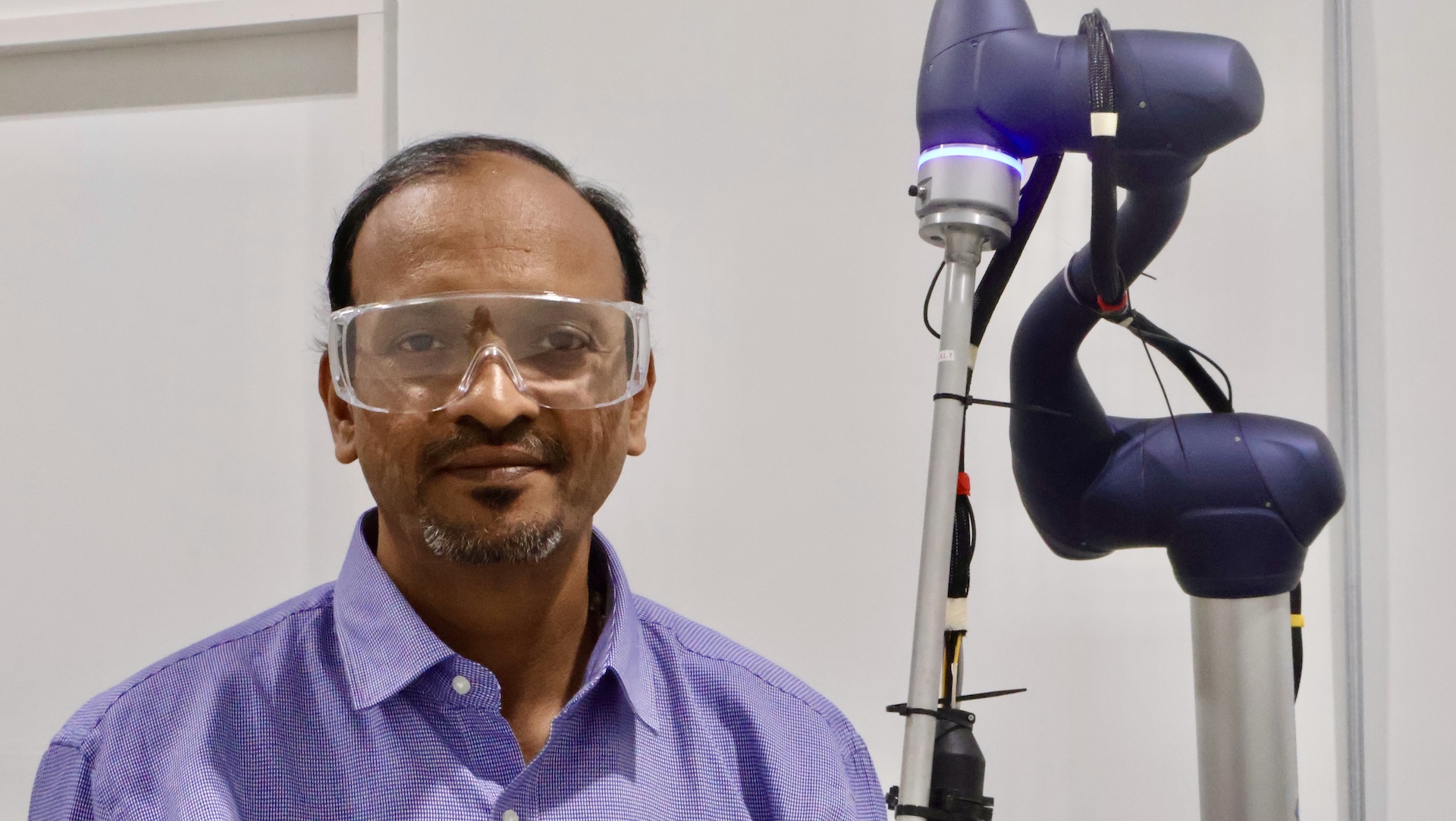
As the global energy transition accelerates, maintaining the long-term stamina of critical infrastructure like wind turbines requires being able to spot hidden risks before they can become failures. Proactively protecting these systems means uninterrupted energy for neighborhoods, smarter and safer environments for inspectors, and lower operational costs.
Related News
Making Grids Smarter: A Sensory System Begins to Emerge

The U.S. Energy Information Administration determined that 2024, which witnessed a raft of Category 5 hurricanes, was the worst year in a decade for U.S. power outages. The spike meant that the average utility customer was without power for 11 hours in 2024, nearly double the average of the preceding 10 years. Beyond the storms, worsening trends in wildfires and floods are raising costs for utilities, placing pressure on household budgets.
Related News
Modeling the Energy Transition: How Engineer Melanie Li Sing How Tackles Tomorrow’s Challenges
Meeting the urgent challenge of the global energy transition requires solving massive infrastructure hurdles at unprecedented speed. It means mastering the invisible forces that dictate performance: the airflow around wind turbine blades, the effect of moisture trapped inside a power transformer, the change of phase from liquid to gas within a small modular nuclear reactor.
Related News
How a New Generation of Field Engineers Is Helping Keep Power Running
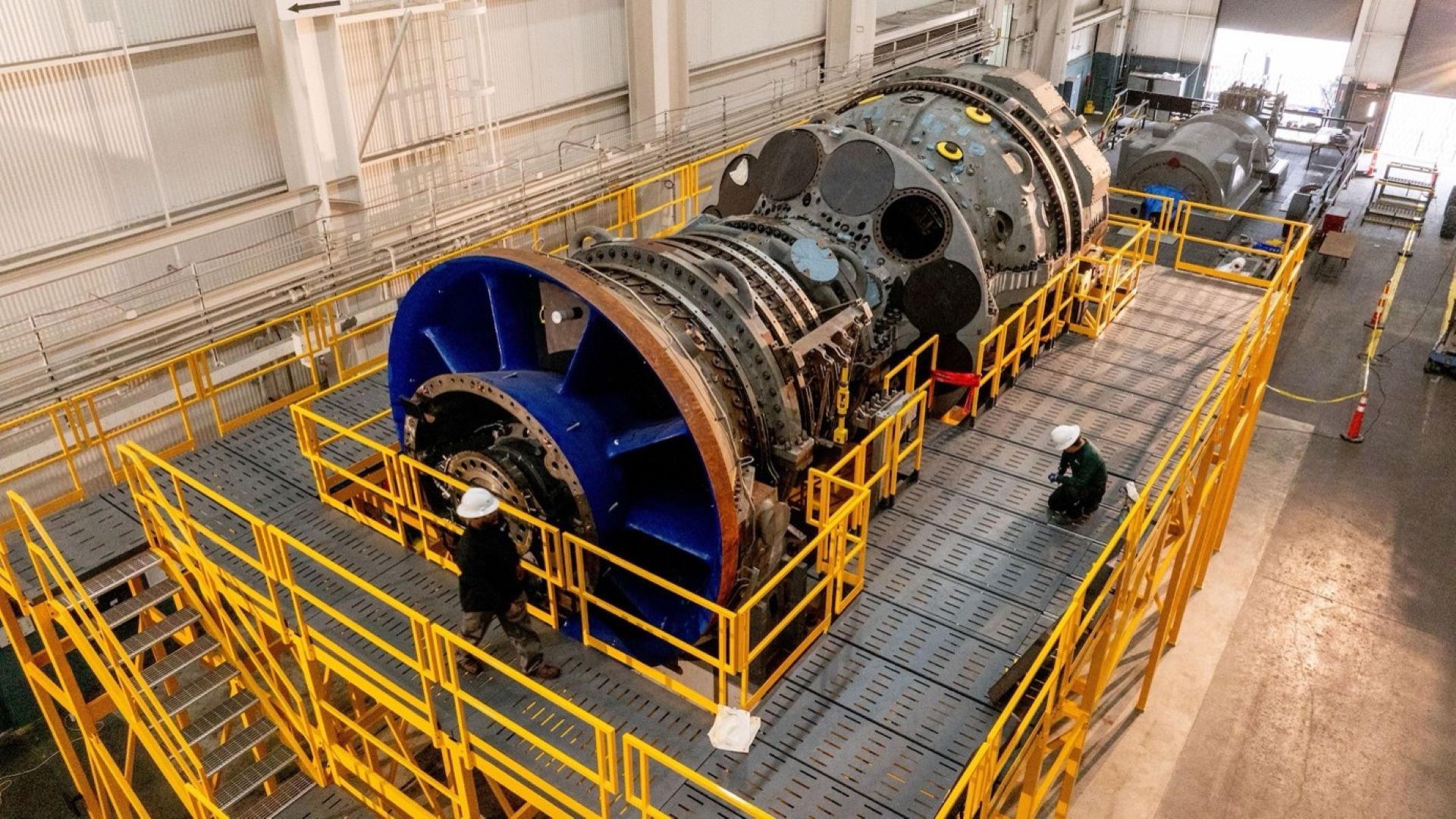
Fifteen years ago, the world’s power grids were starting to change fast. As coal plants retired and renewables expanded, power systems needed technology that could deliver both flexibility and scale. GE Vernova’s H-class gas turbine was built for that moment, and its record-breaking combined-cycle efficiency helped make it the fastest-growing fleet in its class.
Related News

Better Brains: Meet the Engineer Helping to Power Complex New AI Data Centers
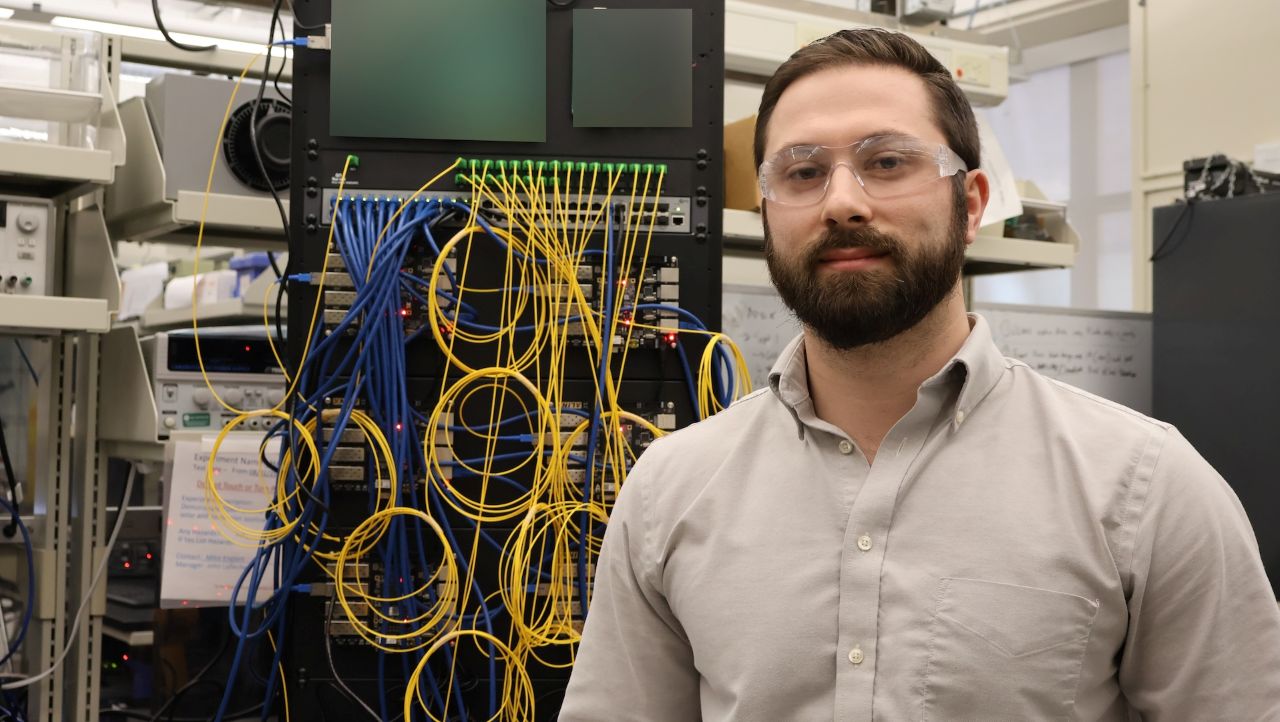
As artificial intelligence scales, so does the challenge of powering it. New data centers demand more advanced power and control systems that reliably deliver massive quantities of energy. Researchers are developing flexible, efficient infrastructure designed for the next generation of computing.