


GE Vernova's hydrogen combustion solutions
GE Vernova is a leader in developing hydrogen combustion technologies, offering turbines and other solutions engineered to help produce and utilize the most abundant substance in the universe.

Search Gas Power
Upgrades
Your outcomes—delivered
These days, we're all trying to do more with less, but GE Vernova can help. Our upgrades and modernizations can help you get more from your existing assets. Discover the possibilities with our interactive upgrades selector.
Controls
Control Lifecare Services
Whether you need 24/7 technical support, live remote diagnostics, onsite field engineering, or parts management, we have you covered with GE Vernova's Controls Lifecare Services (CLS).
Podcast
Cutting Carbon - Season 9
Join Dr. Jeff Goldmeer, Brian Gutknecht, and special guests for the final season of our 3-part series as they discuss the roles digital and electrification will play in the energy transition.
Decarbonization in action
Explore the future of energy
See how GE Vernova's Gas Power business is helping to build a world that works.
Hydrogen combustion offers a transformative solution for those committed to reducing carbon emissions. Retrofitting existing turbines or investing in latest hydrogen-capable models can significantly lower the carbon footprint while maintaining the high efficiency and reliability demanded by modern power generation. When used as fuel, hydrogen’s primary byproduct is water, making it a significantly lower carbon alternative to fossil fuels.
For industries and policymakers that seek to be compliant with strict environmental targets, hydrogen combustion provides a pathway to achieve lower carbon emissions without compromising on performance. Therefore, adopting hydrogen solutions seek to ensure long-term energy that is more reliable, and helps positions operations at the forefront of the energy transition.
Frequently asked questions
Using hydrogen as a fuel for combustion offers significant benefits due to its low-emission characteristics. When combusted, hydrogen reacts with oxygen to produce water vapor as the primary byproduct, eliminating carbon dioxide (CO₂) emissions associated with fossil fuels. This reduction in greenhouse gases makes hydrogen a key player in decarbonizing power generation. Additionally, hydrogen's high energy density can facilitate efficient energy production, and existing gas turbines can be retrofitted to accommodate hydrogen blend fuel. This allows for existing power plants to be transitioned towards more sustainable energy sources, aligning with global efforts to achieve net-zero emissions.
Hydrogen combustion compares favorably to natural gas combustion in terms of emissions and can achieve comparable efficiency with proper system adaptations. Unlike natural gas, which emits carbon dioxide due to its hydrocarbon composition, hydrogen combustion produces only water vapor, eliminating CO₂ emissions entirely. However, hydrogen's higher flame temperature can lead to formation of additional nitrogen oxides (NOₓ) unless advanced combustion techniques are employed to mitigate this effect. GE Vernova supports these technologies like staged combustion and the use of diluents to effectively reduce NOₓ emissions.
Hydrogen combustion compares favorably to natural gas combustion in terms of emissions and can achieve comparable efficiency with proper system adaptations. Unlike natural gas, which emits carbon dioxide due to its hydrocarbon composition, hydrogen combustion produces only water vapor, eliminating CO₂ emissions entirely. However, hydrogen's higher flame temperature can lead to formation of additional nitrogen oxides (NOₓ) unless advanced combustion techniques are employed to mitigate this effect. GE Vernova supports these technologies like staged combustion and the use of diluents to effectively reduce NOₓ emissions.
Due to hydrogen's unique properties, several critical safety measures are necessary when using it in combustion processes. Hydrogen-specific leak detection systems are essential because it is colorless, odorless, and its small molecular size allows it to escape through openings that are too narrow for natural gas to leak through. Adequate ventilation is imperative to prevent the accumulation of leaked hydrogen gas, which has a wide flammability range (4–75% in air) and can readily form explosive mixtures. Materials and equipment must be carefully selected to prevent issues such as hydrogen embrittlement, including the use of appropriate metals and seals in storage tanks, pipelines, and combustion chambers. Flame arrestors and flashback preventers should be integrated into the combustion system to manage hydrogen's high flame speed and prevent flame propagation back into the fuel supply. Comprehensive safety protocols and personnel training are also critical to ensure proper handling, storage, and emergency response. Lastly, implementing advanced control systems can help monitor combustion conditions in real-time, maintaining safe operation by adjusting for hydrogen's rapid combustion kinetics.
Existing natural gas power plants can be adapted for hydrogen combustion with appropriate modifications. Necessary adaptations include upgrading fuel handling and storage systems to accommodate hydrogen's lower volumetric energy density and its tendency to leak due to its small molecular size. Combustion turbines must be retrofitted with specialized burners and materials to manage hydrogen's higher flame speed, wider flammability range, and to prevent issues like flashback and hydrogen embrittlement.
Customer stories
2022
A first for Africa: LM6000 runs of hydrogen fuel blend
Following a strategic cooperation agreement (SCA) among the Egyptian Electricity Holding Company (EEHC), GE Vernova, Hassan Allam Construction, and PGESCO, a GE Vernova LM6000 aeroderivative gas turbine was safely and successfully operated on hydrogen-blended fuel for the first time in Africa. This milestone demonstrates growing progress in low-carbon power generation and the practical potential of hydrogen blending in existing gas turbine technology.
2022
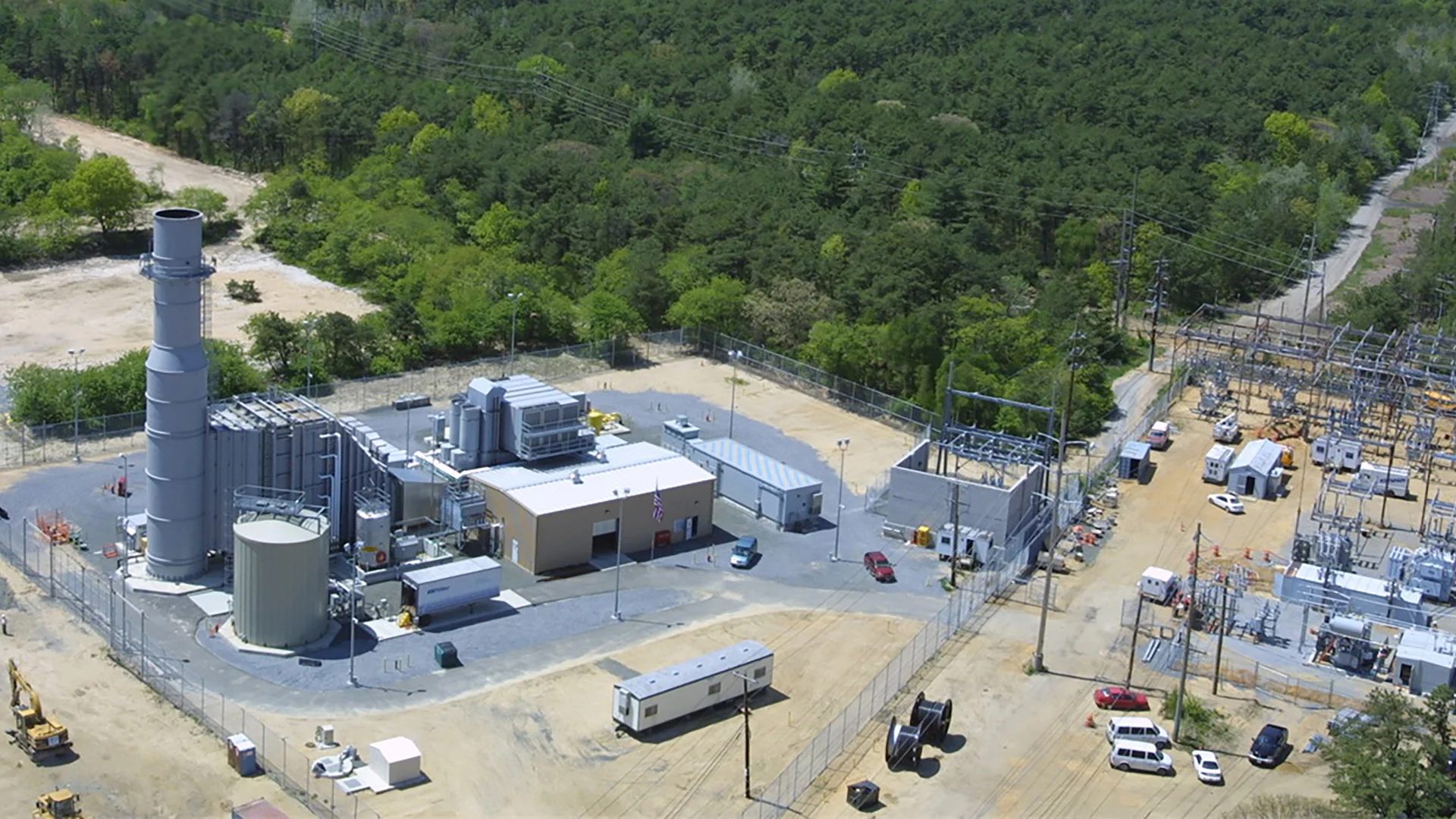
New York Power Authority Brentwood Power Plant
2024
Energy Australia Tallawarra B Power Station
2025
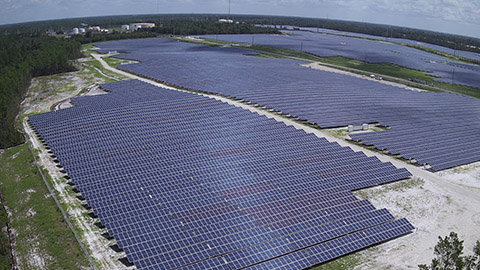
Duke Energy Debary, FL Hydrogen Project
2026
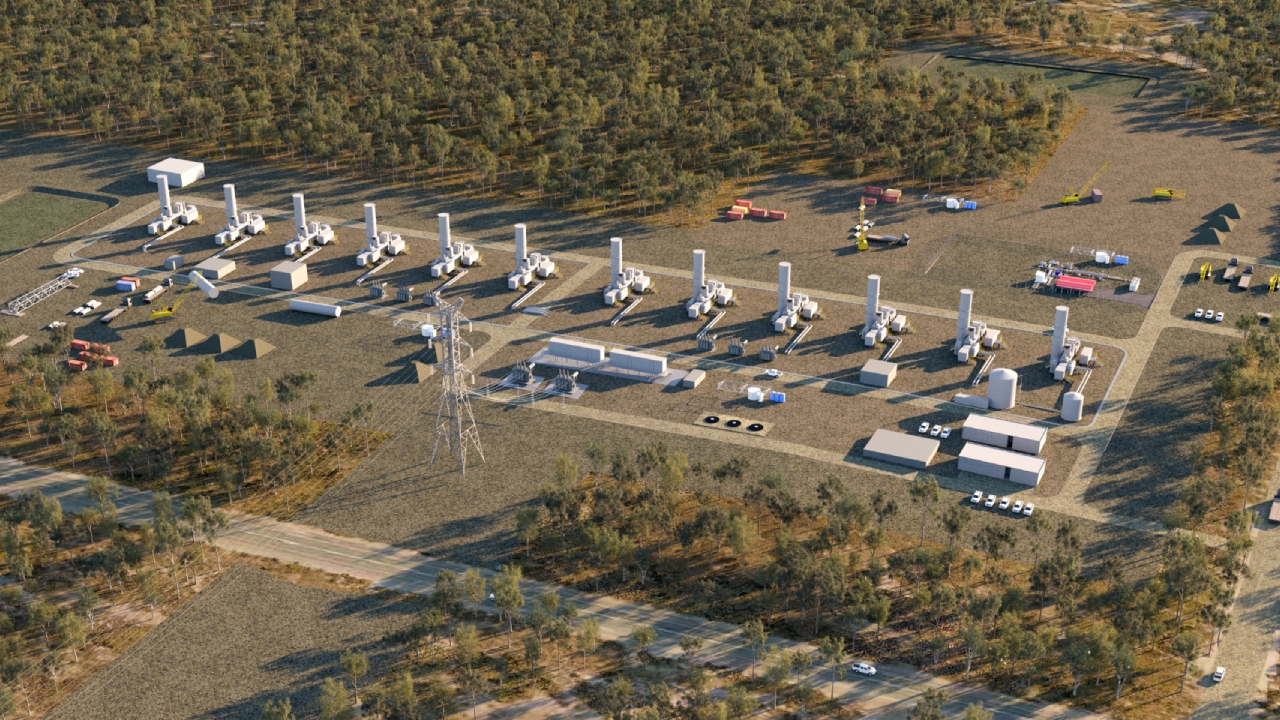
CS Energy Brigalow, AUS Power Plant
Webinar
Join experts from IHI, the Ammonia Energy Association, CF Industries, and GE Vernova to explore the technology, collaboration, and industry considerations needed to advance 100% ammonia combustion in utility-scale gas turbines.
Jeremee Wetherby
Carbon Solutions Leader, GE Vernova
Nobuhiko Moriya
Associate Director, General Manager, Ammonia Gas Turbine Development DepartmentResources, Energy & Environment Business Area, IHI
Kevin Rouwenhorst
Technology Manager, Ammonia Energy Association
Linda Dempsey
Vice President, Public Affairs, CF Industries and President Ammonia Energy Association, CF Industries
Related services
Contact us