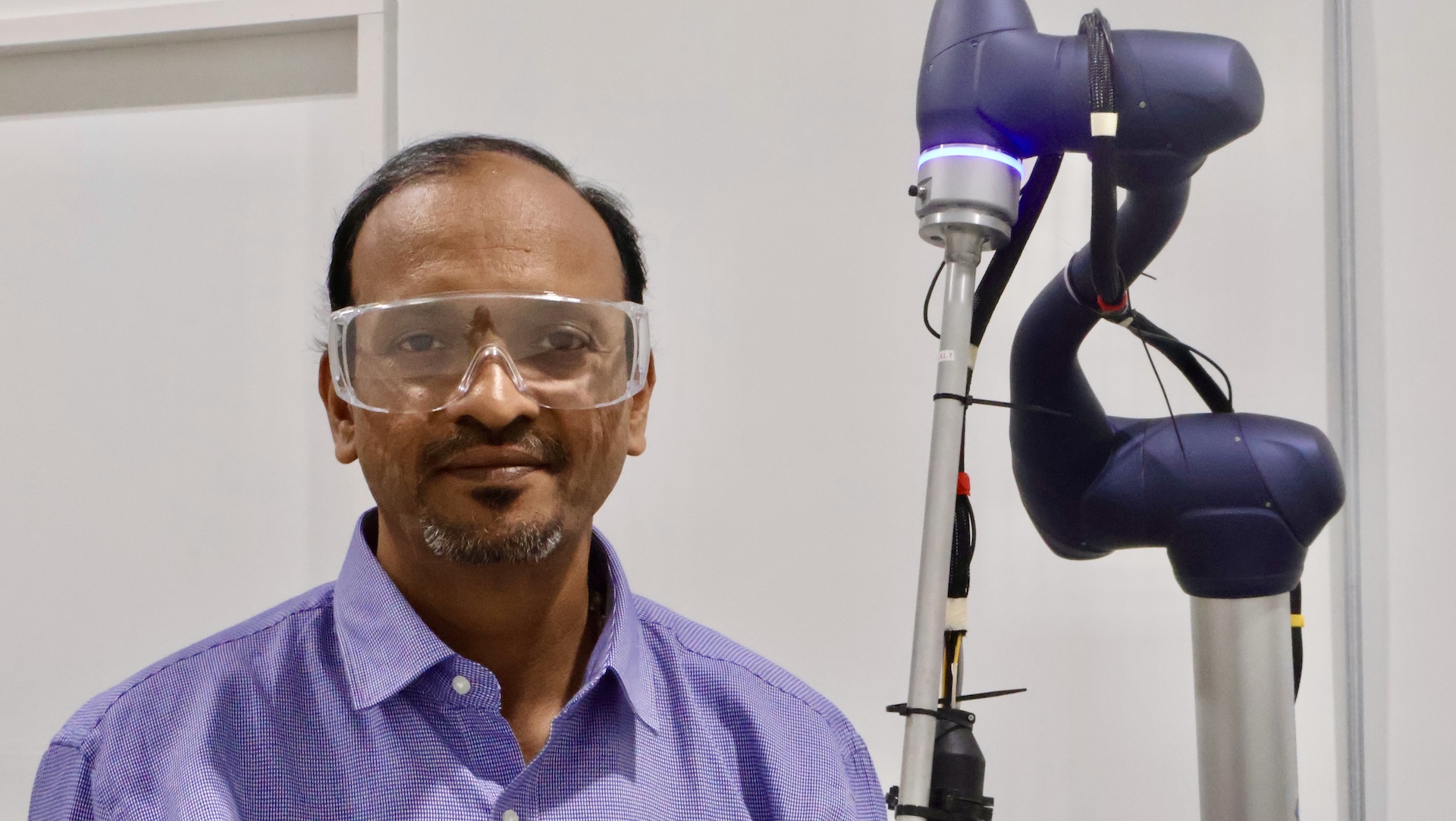
As the global energy transition accelerates, maintaining the long-term stamina of critical infrastructure like wind turbines requires being able to spot hidden risks before they can become failures. Proactively protecting these systems means uninterrupted energy for neighborhoods, smarter and safer environments for inspectors, and lower operational costs.
Related News
Making Grids Smarter: A Sensory System Begins to Emerge

The U.S. Energy Information Administration determined that 2024, which witnessed a raft of Category 5 hurricanes, was the worst year in a decade for U.S. power outages. The spike meant that the average utility customer was without power for 11 hours in 2024, nearly double the average of the preceding 10 years. Beyond the storms, worsening trends in wildfires and floods are raising costs for utilities, placing pressure on household budgets.
Related News
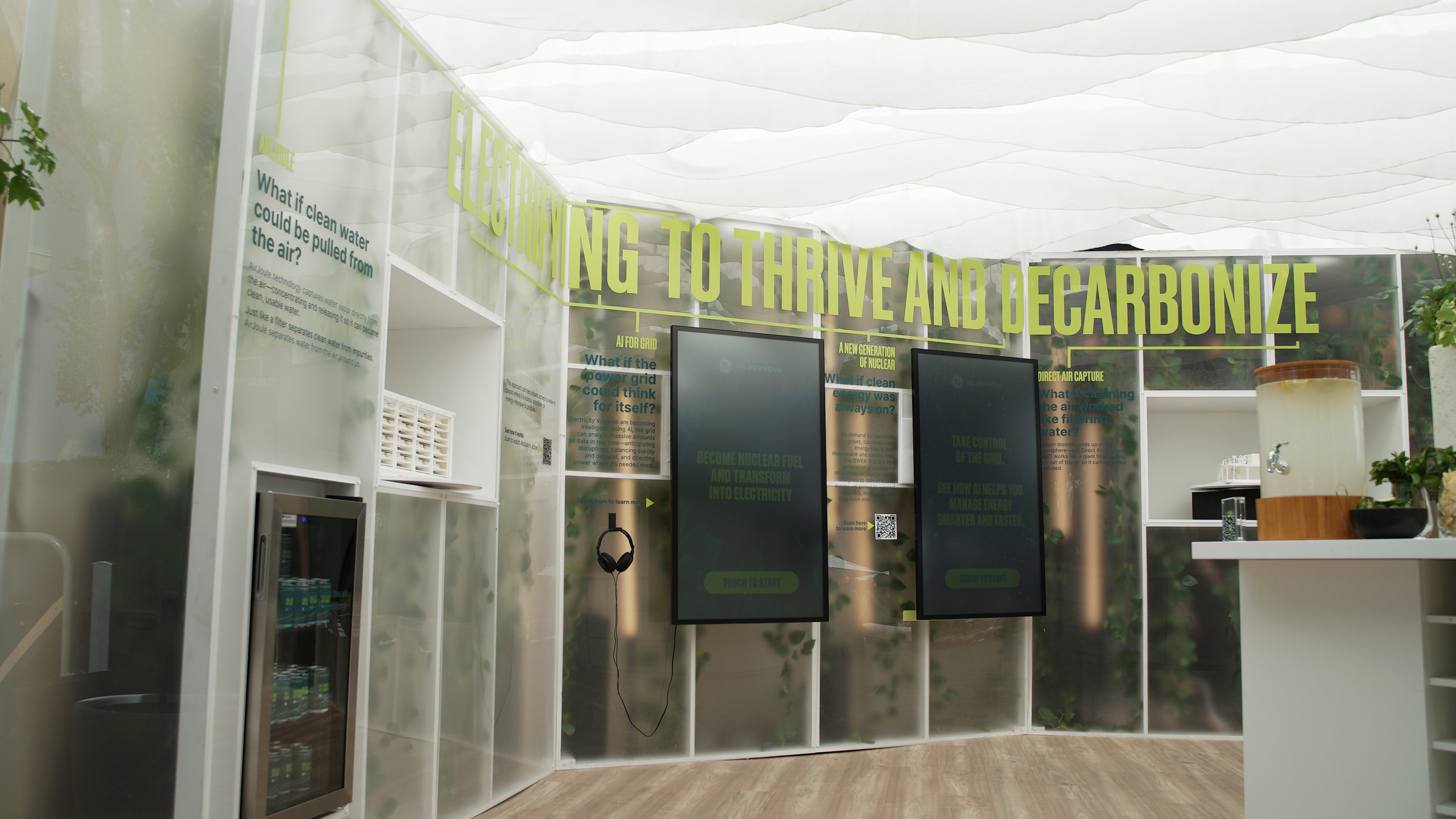
Modeling the Energy Transition: How Engineer Melanie Li Sing How Tackles Tomorrow’s Challenges
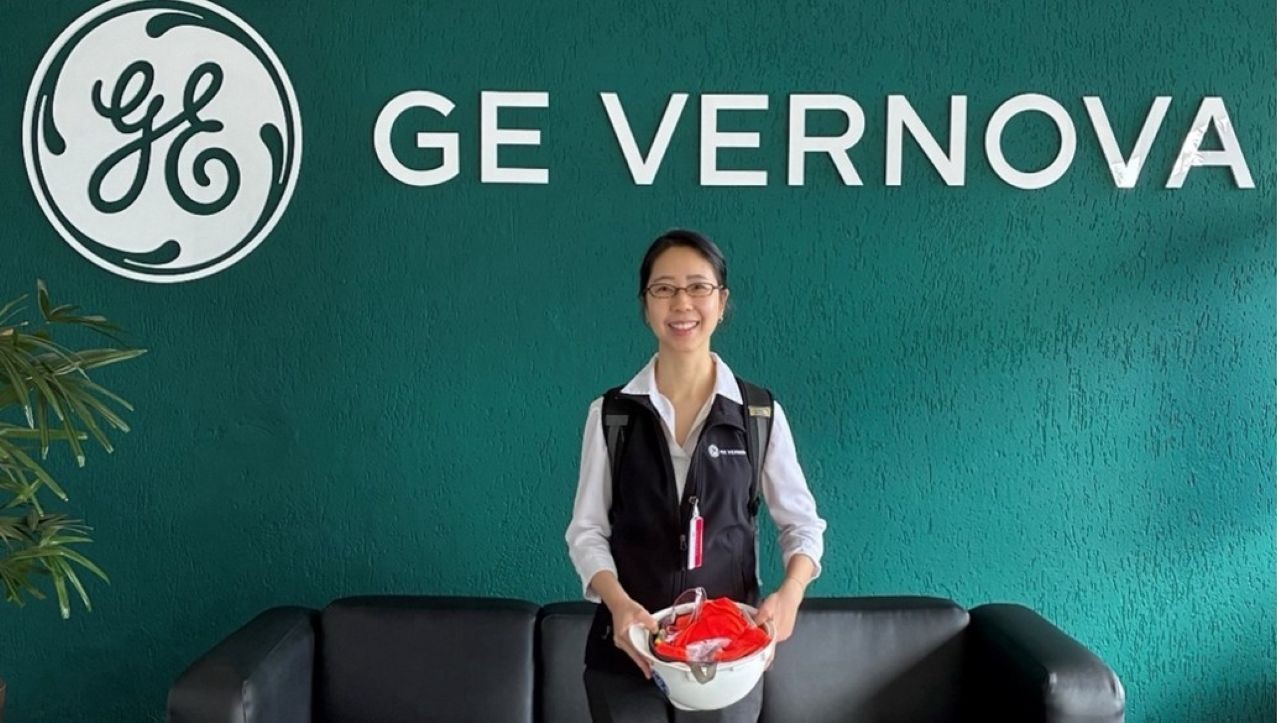
Meeting the urgent challenge of the global energy transition requires solving massive infrastructure hurdles at unprecedented speed. It means mastering the invisible forces that dictate performance: the airflow around wind turbine blades, the effect of moisture trapped inside a power transformer, the change of phase from liquid to gas within a small modular nuclear reactor.
Related News
How a New Generation of Field Engineers Is Helping Keep Power Running
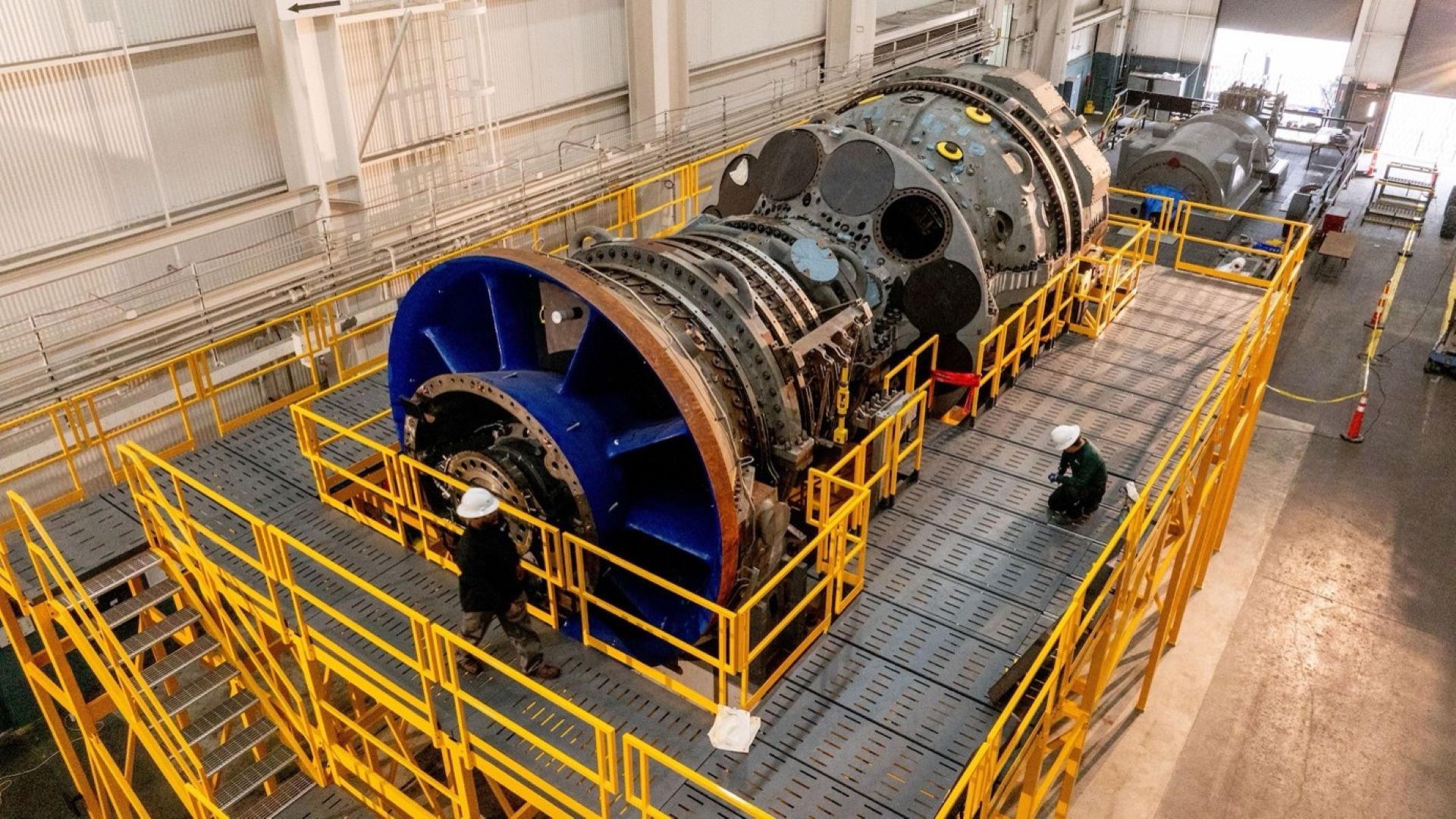
Fifteen years ago, the world’s power grids were starting to change fast. As coal plants retired and renewables expanded, power systems needed technology that could deliver both flexibility and scale. GE Vernova’s H-class gas turbine was built for that moment, and its record-breaking combined-cycle efficiency helped make it the fastest-growing fleet in its class.
Related News

Better Brains: Meet the Engineer Helping to Power Complex New AI Data Centers
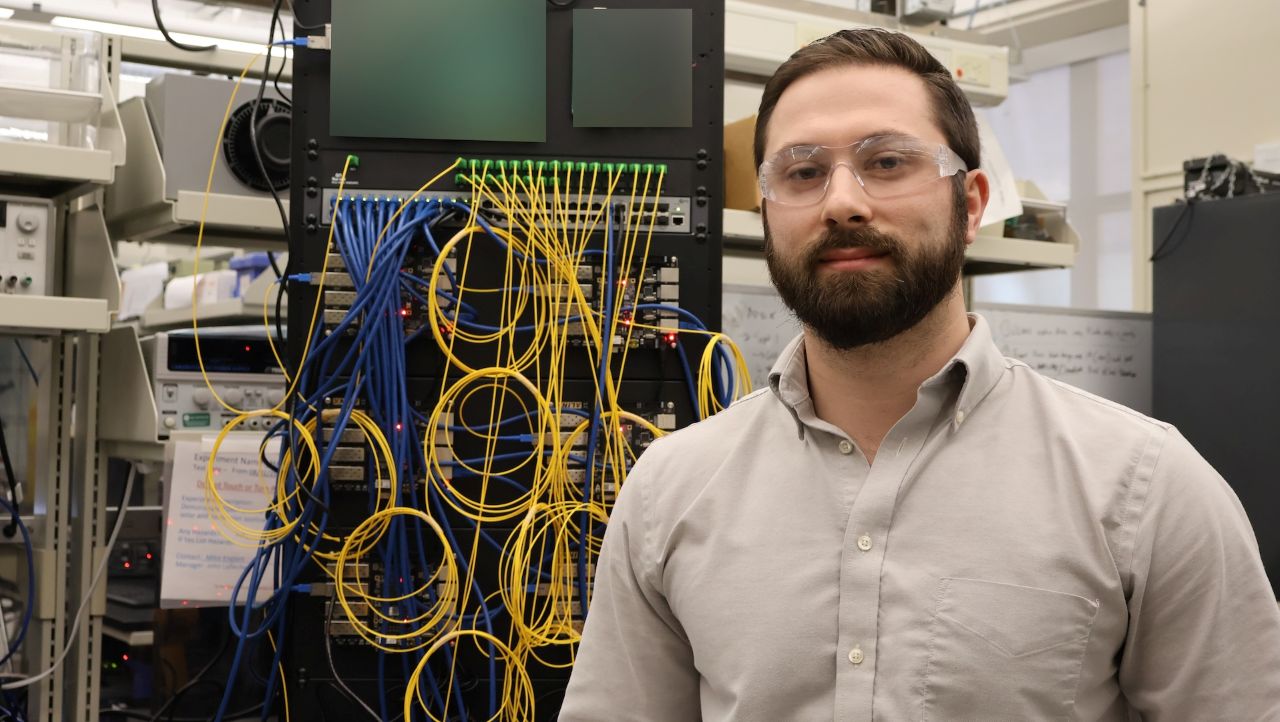
As artificial intelligence scales, so does the challenge of powering it. New data centers demand more advanced power and control systems that reliably deliver massive quantities of energy. Researchers are developing flexible, efficient infrastructure designed for the next generation of computing.
Related News
Two Years In, GE Vernova Is Reshaping the Energy Future
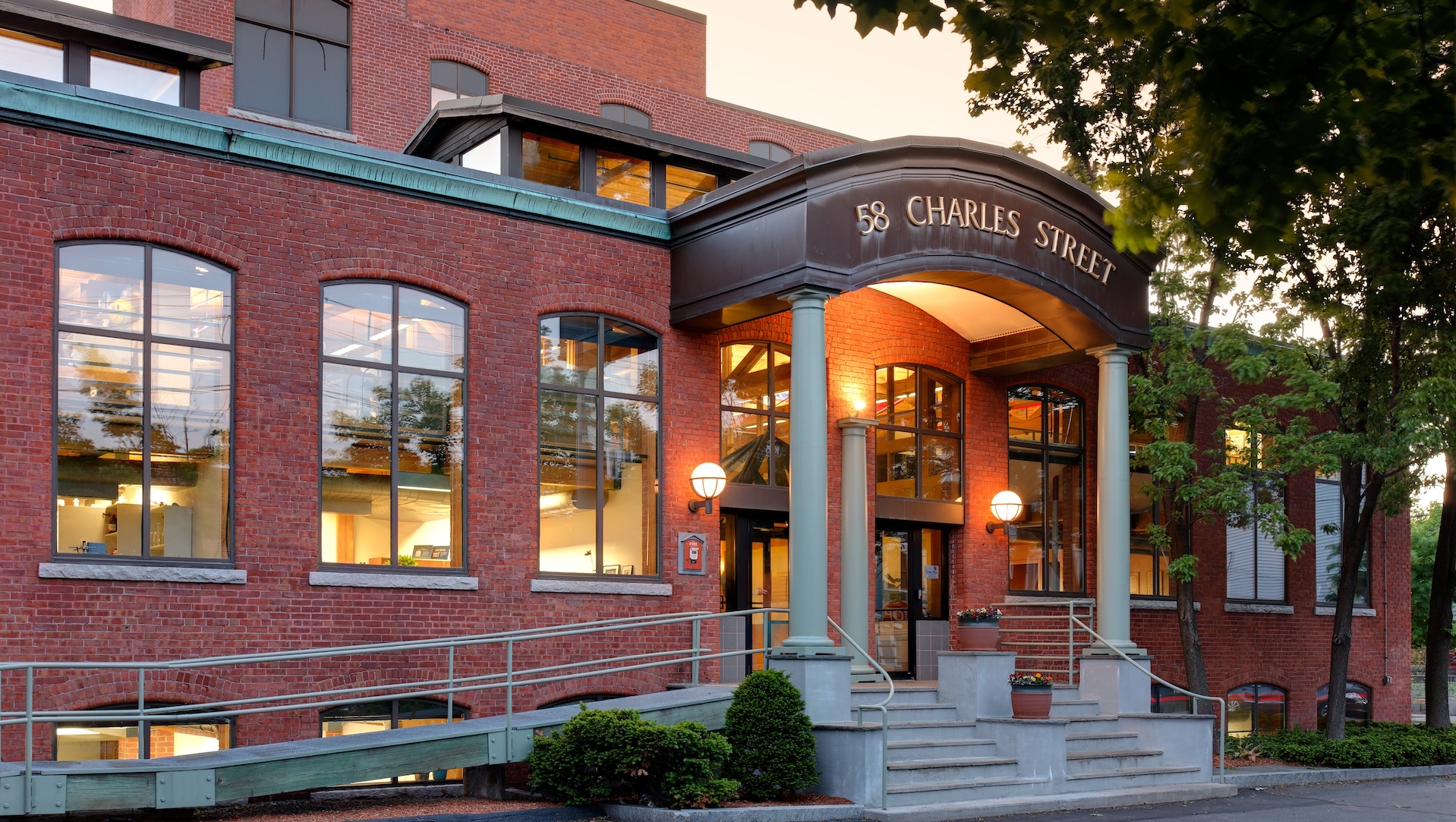
The world’s demand for energy is growing at a pace that’s increasingly difficult to match — and two years into its journey as a standalone company, GE Vernova is meeting the challenge head-on. The company is helping energy customers find reliable, cost-effective solutions for today that can be quickly scaled to meet the needs of tomorrow. Here are just a few of them.
Electrifying the Future of Data Centers and AI
Related News
How Storms, War, and Surging Demand Are Forcing a Rethink of the World’s Power Grids
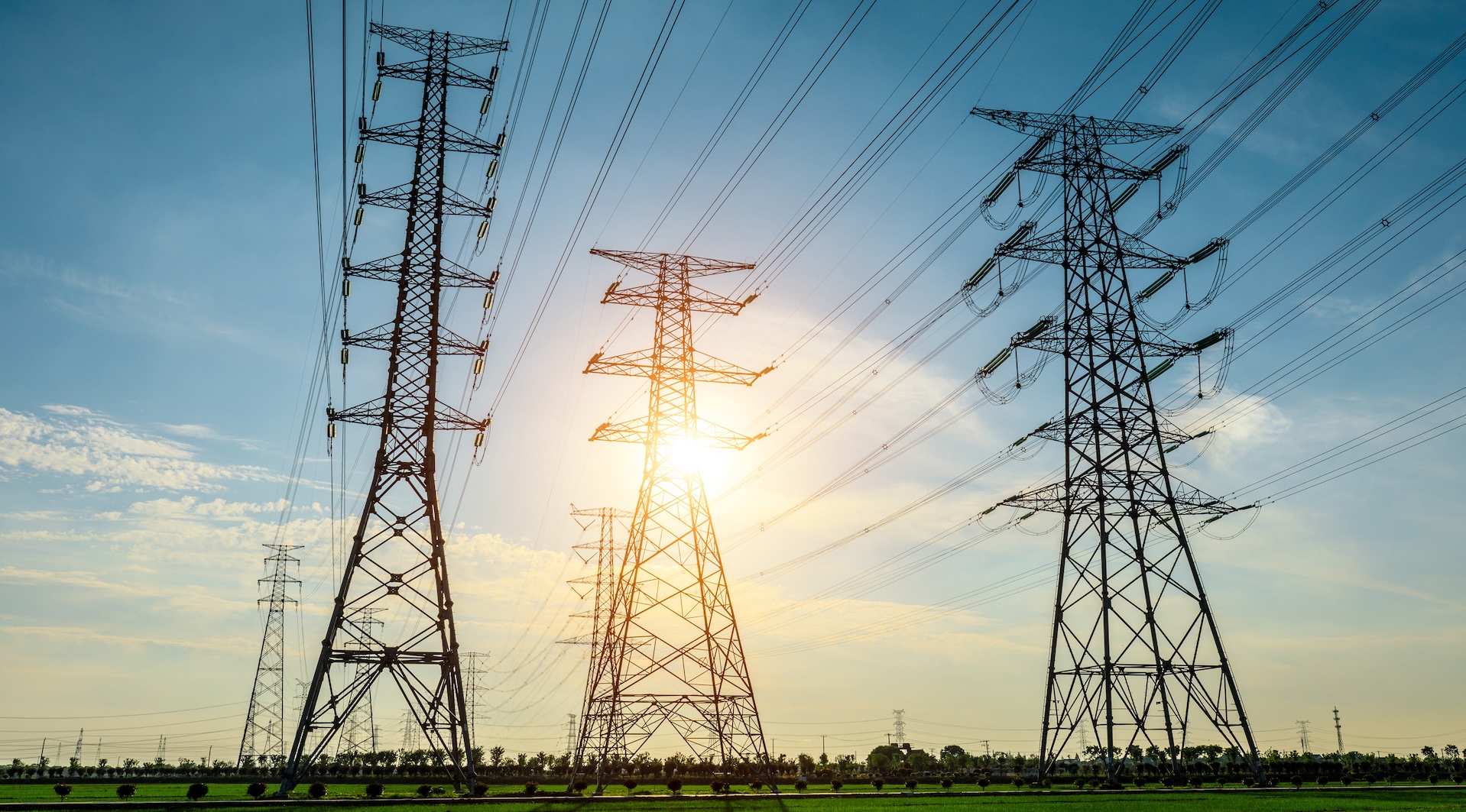
In the early hours of October 25, 2023, residents of Acapulco watched Hurricane Otis gather strength offshore. Forecasts had suggested a manageable storm. Instead, within less than 12 hours, Otis intensified from a Category 1 to a Category 5, with gusts exceeding 165 miles per hour.