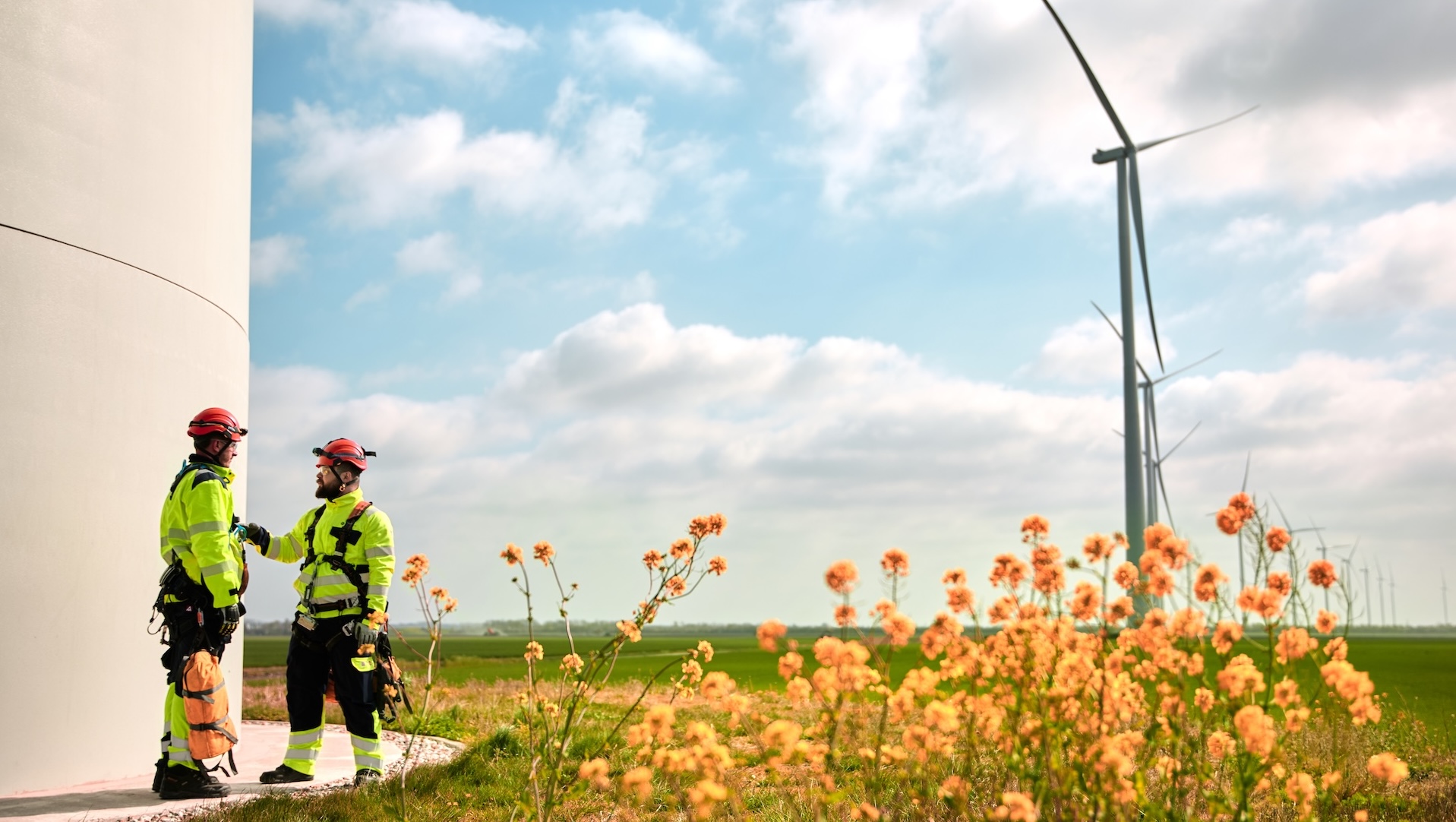
Roger Martella, GE Vernova’s chief corporate officer and chief sustainability officer, used to tell the story of the company by starting in the past. He felt the weight of history as he made his way to work each morning, remembering how Thomas Edison built the world’s first commercial power plant on Pearl Street in Manhattan, a small coal-fired station that powered more than 10,000 incandescent lamps, before founding the General Electric Company in 1892.
How a New Generation of Field Engineers Is Helping Keep Power Running
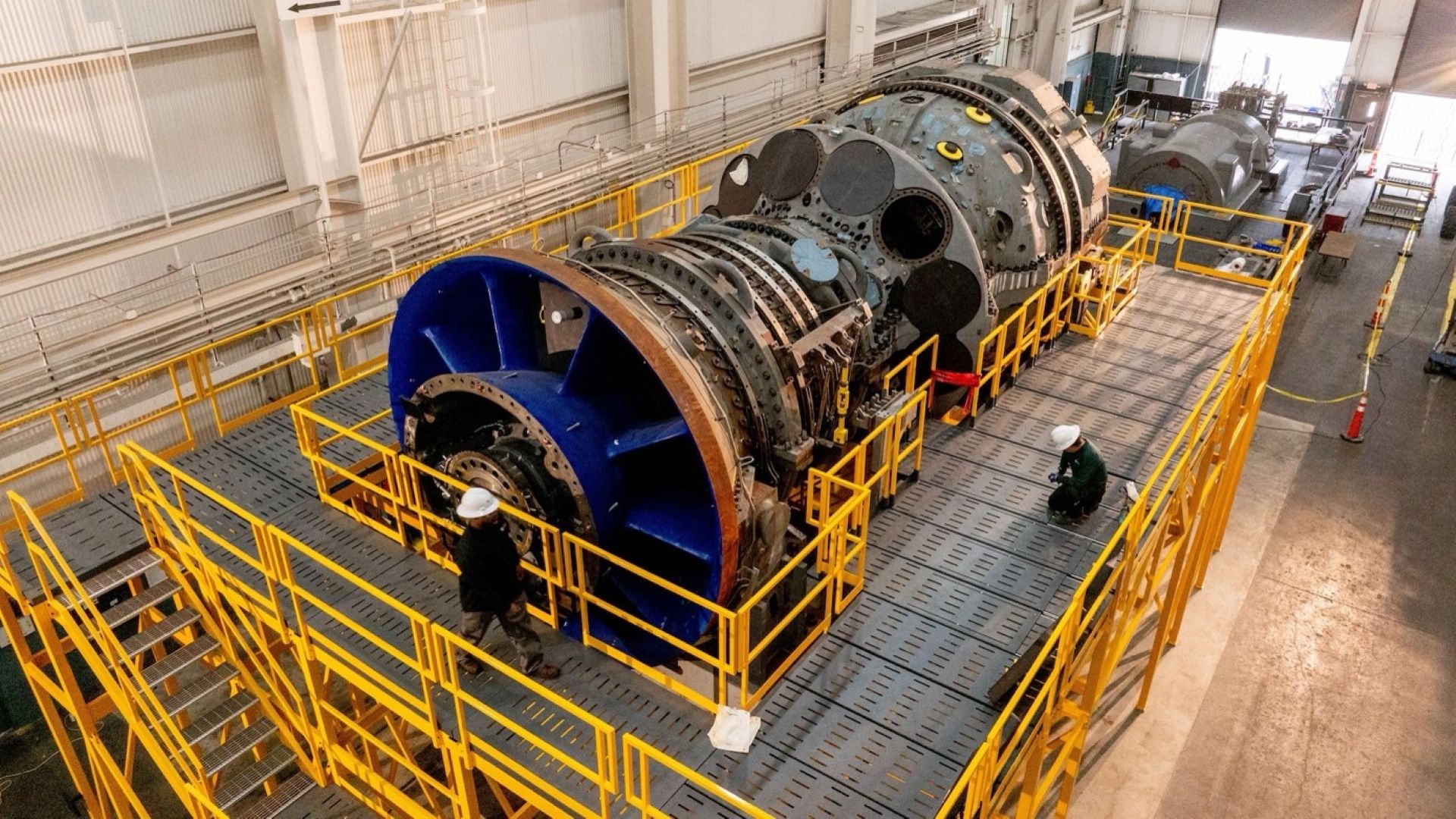
Fifteen years ago, the world’s power grids were starting to change fast. As coal plants retired and renewables expanded, power systems needed technology that could deliver both flexibility and scale. GE Vernova’s H-class gas turbine was built for that moment, and its record-breaking combined-cycle efficiency helped make it the fastest-growing fleet in its class.
Related News
Made in Salzbergen: Why Germany’s Wind Future Depends on Reliable Execution
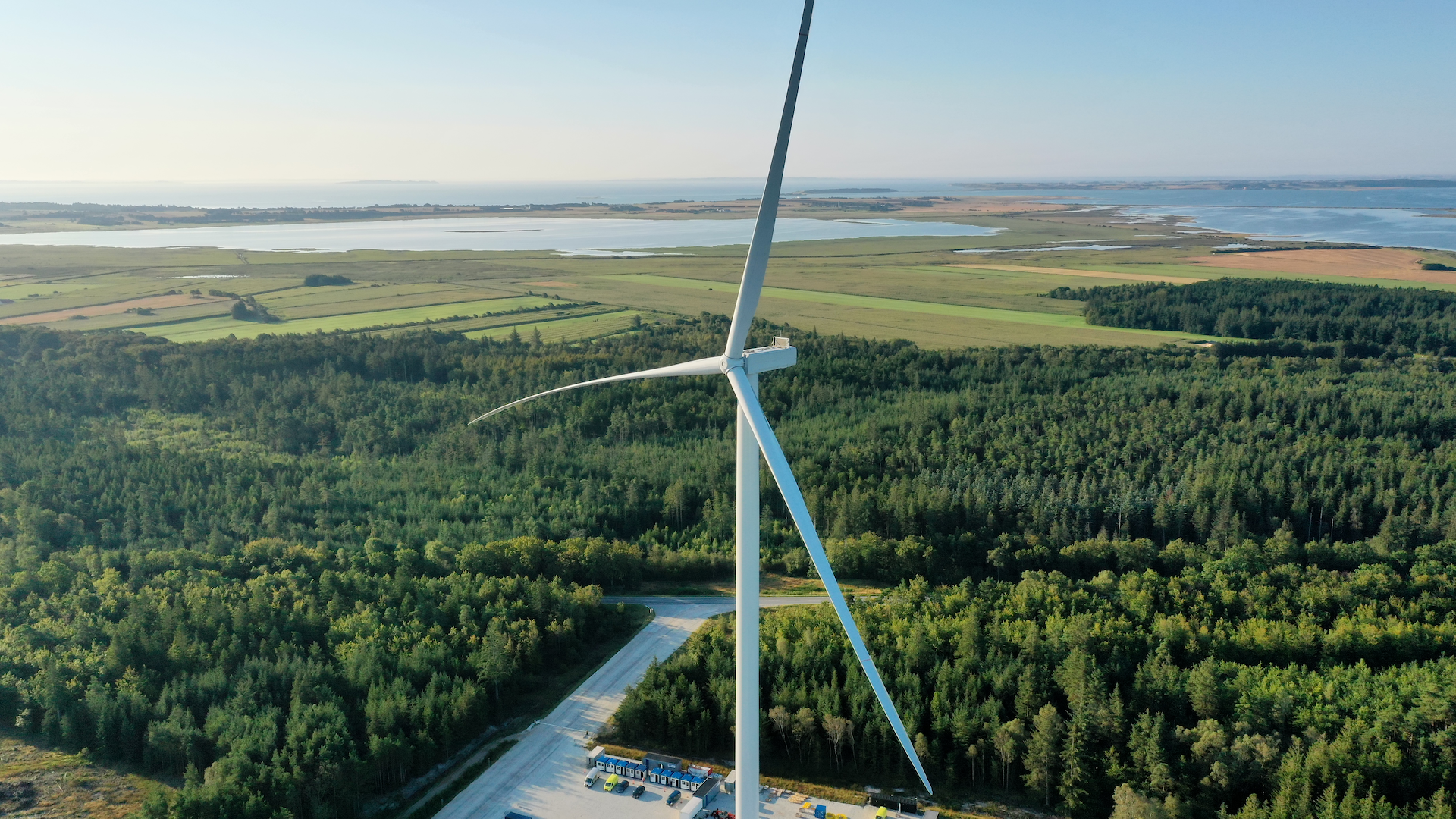
The conditions for building new wind projects in Germany are evolving rapidly. Developers are working within a sophisticated landscape of auction tariffs and evolving regulations. Planning reforms have helped bring more permits into the industry, but auction volumes have not always kept pace. This environment rewards precision and high-level coordination.
Related News
How India Is Helping More People Access Renewable Power Through High-Voltage Transmission

Related News

Steeling the Scene: Wind Power Is Becoming More Sustainable Thanks to This Lower-Emission Material
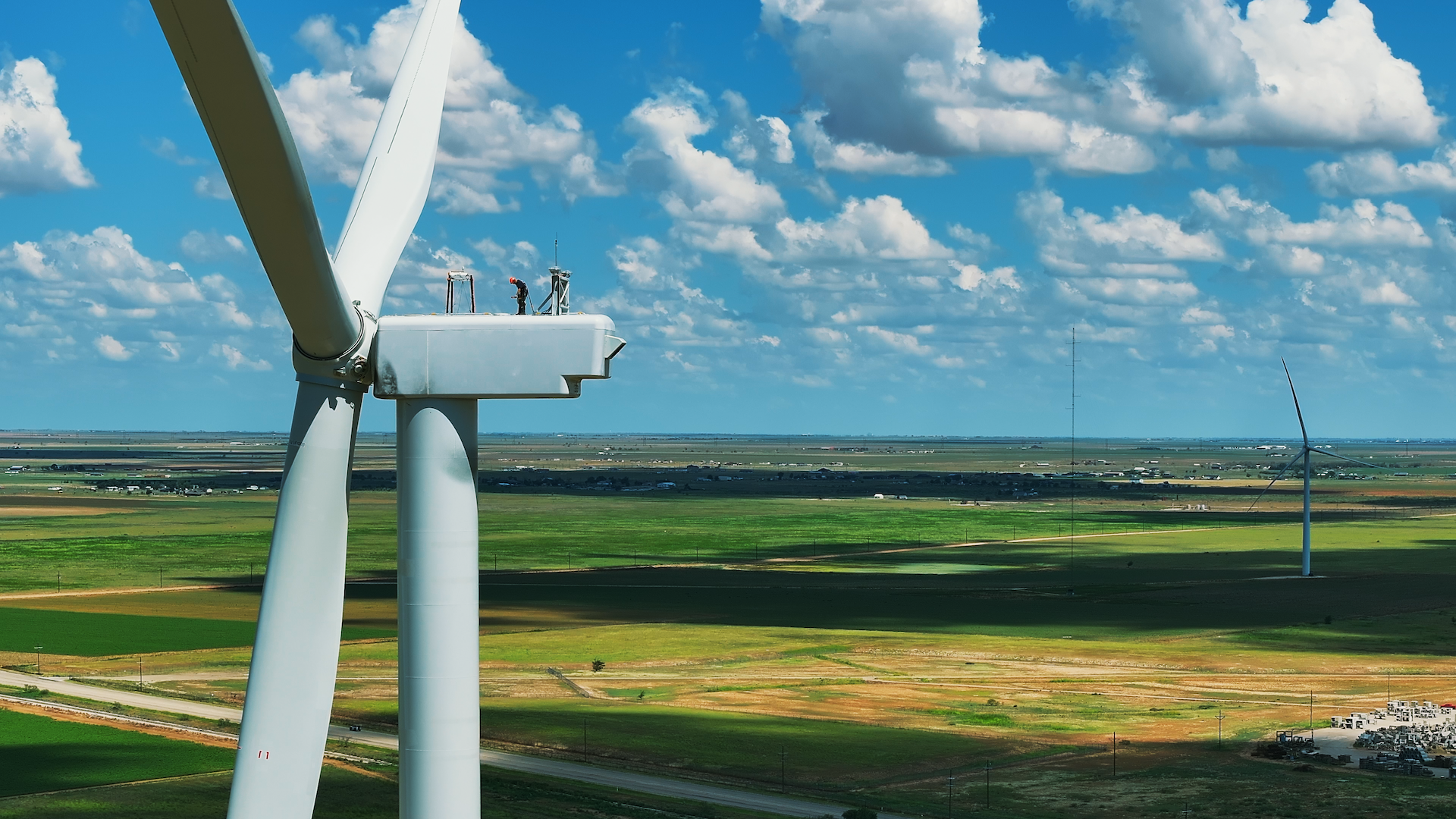
Towering above hilltops and open plains, wind turbines are a common symbol of renewable energy and the global fight against climate change. However, even renewable power sources can leave a carbon footprint. Case in point: The tall towers that hold the energy-creating rotors and machine head aloft are made from a material that accounts for between 7% and 9% of all human-made greenhouse gas emissions: steel.
Related News
Two Years In, GE Vernova Is Reshaping the Energy Future
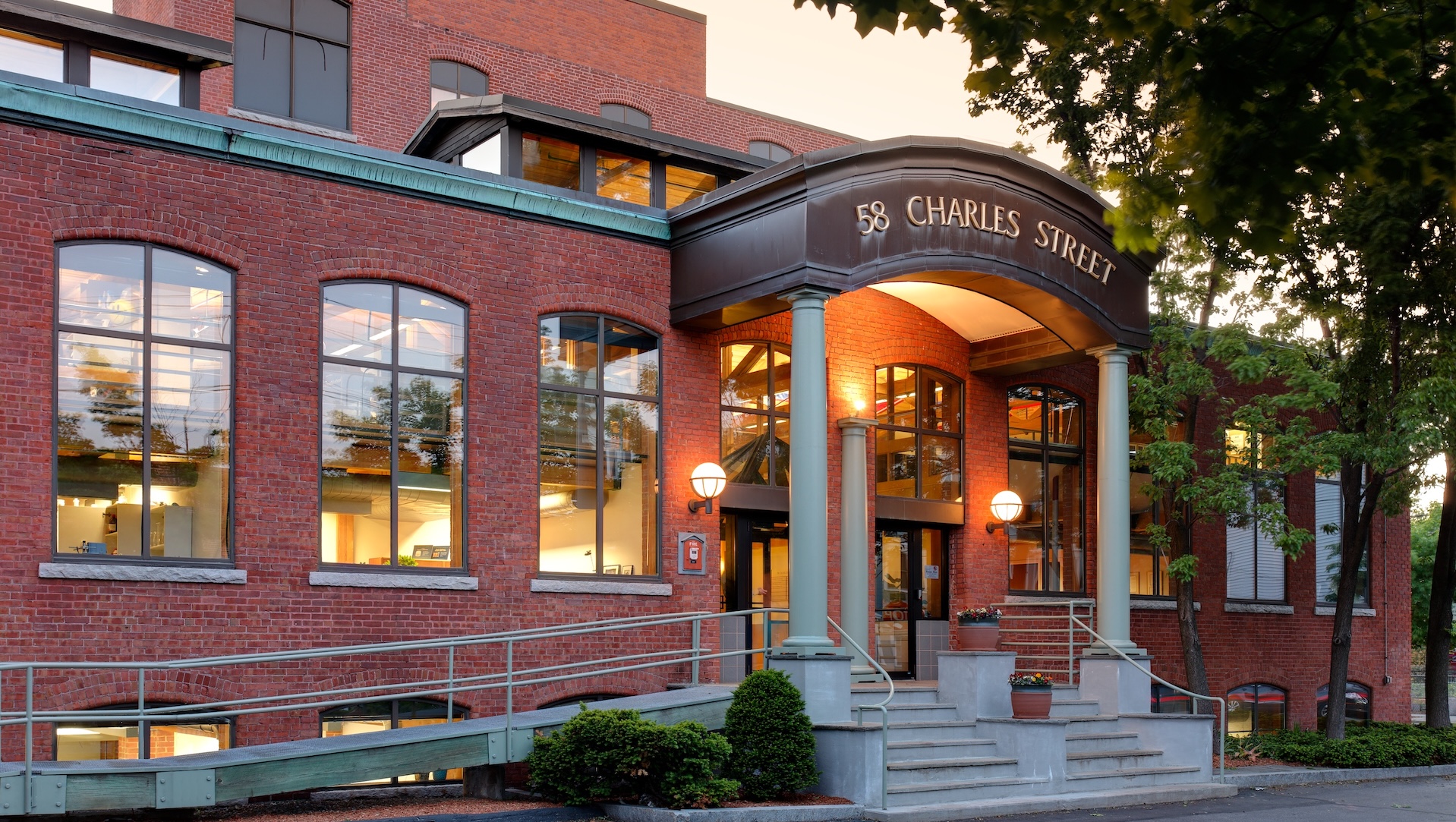
The world’s demand for energy is growing at a pace that’s increasingly difficult to match — and two years into its journey as a standalone company, GE Vernova is meeting the challenge head-on. The company is helping energy customers find reliable, cost-effective solutions for today that can be quickly scaled to meet the needs of tomorrow. Here are just a few of them.
Electrifying the Future of Data Centers and AI
Related News
Synchronicity: In Sunbelt States, Gas Turbines and Solar Power Are Being Used Together in an Entirely Original Way
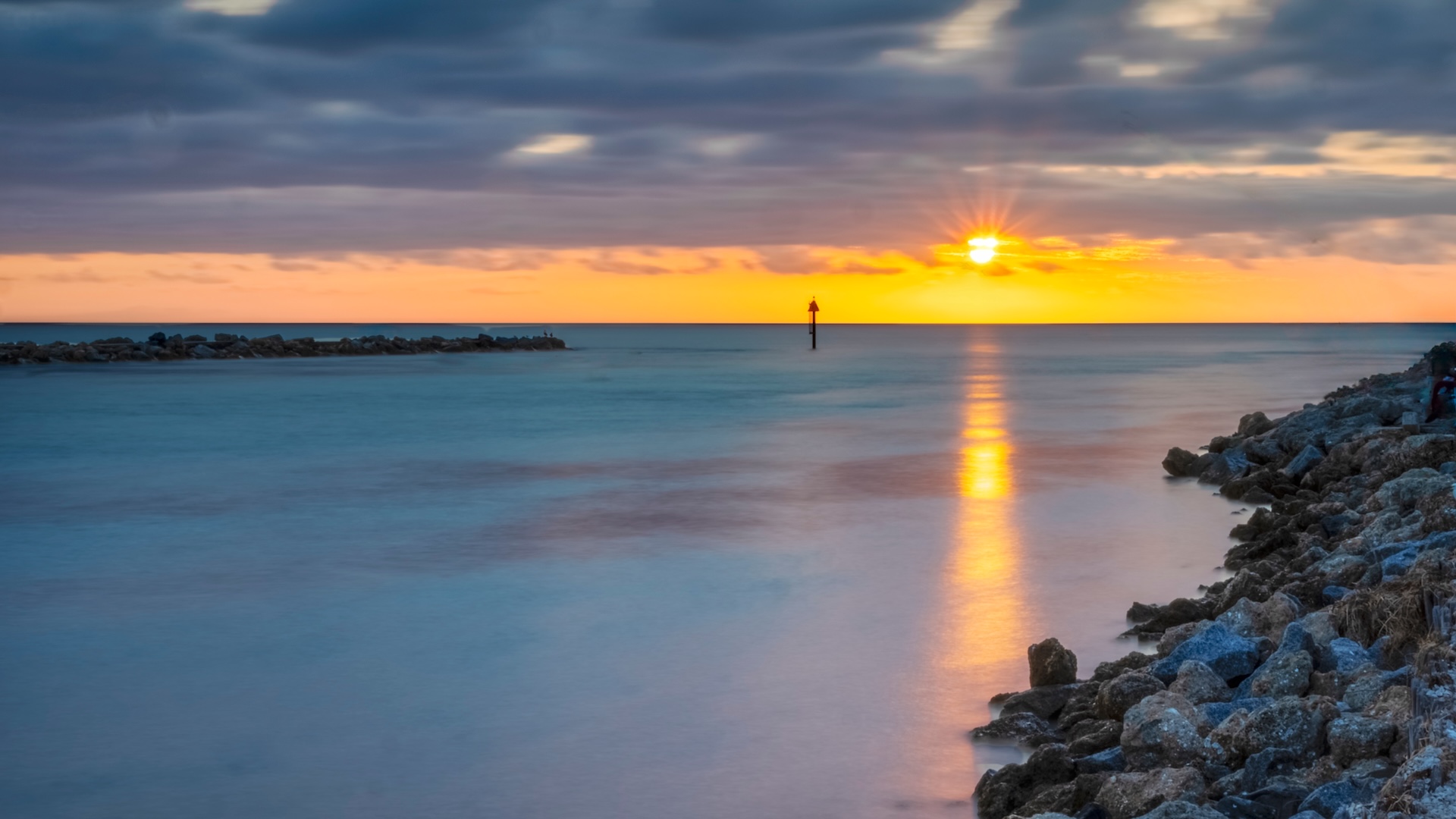
Making good on their nickname, Sunbelt States from Georgia to Arizona are building lots of new solar these days. Texas is currently leading the way, but plenty of other states are cranking up their growth. In the past 12 months, Mississippi has grown solar 73%, and Louisiana has been even more aggressive, hitting 90%, according to the Energy Information Administration.
Related News
How Storms, War, and Surging Demand Are Forcing a Rethink of the World’s Power Grids
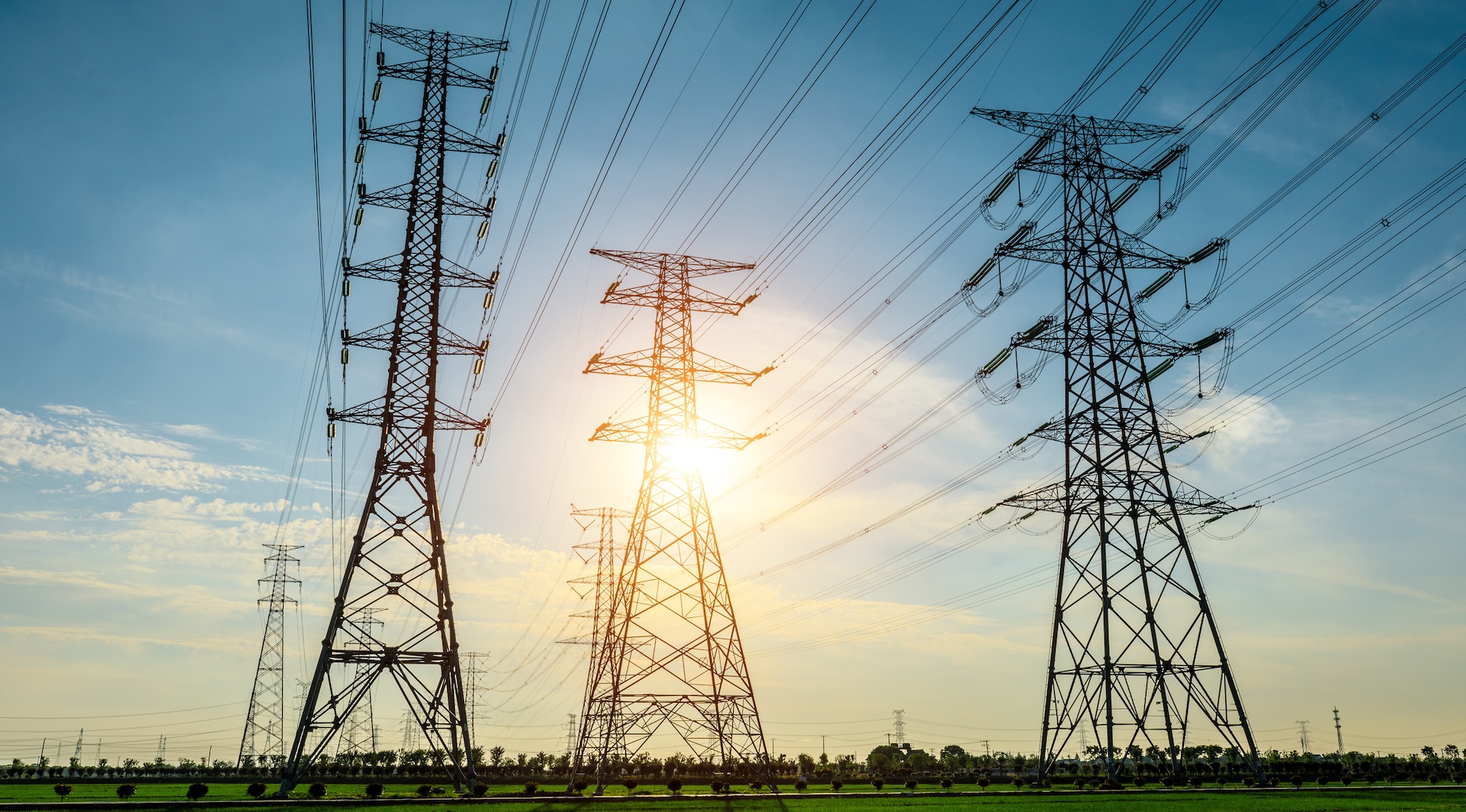
In the early hours of October 25, 2023, residents of Acapulco watched Hurricane Otis gather strength offshore. Forecasts had suggested a manageable storm. Instead, within less than 12 hours, Otis intensified from a Category 1 to a Category 5, with gusts exceeding 165 miles per hour.
In Vietnam, Sustainable Energy Is Going from Big Idea to Revolutionary Reality
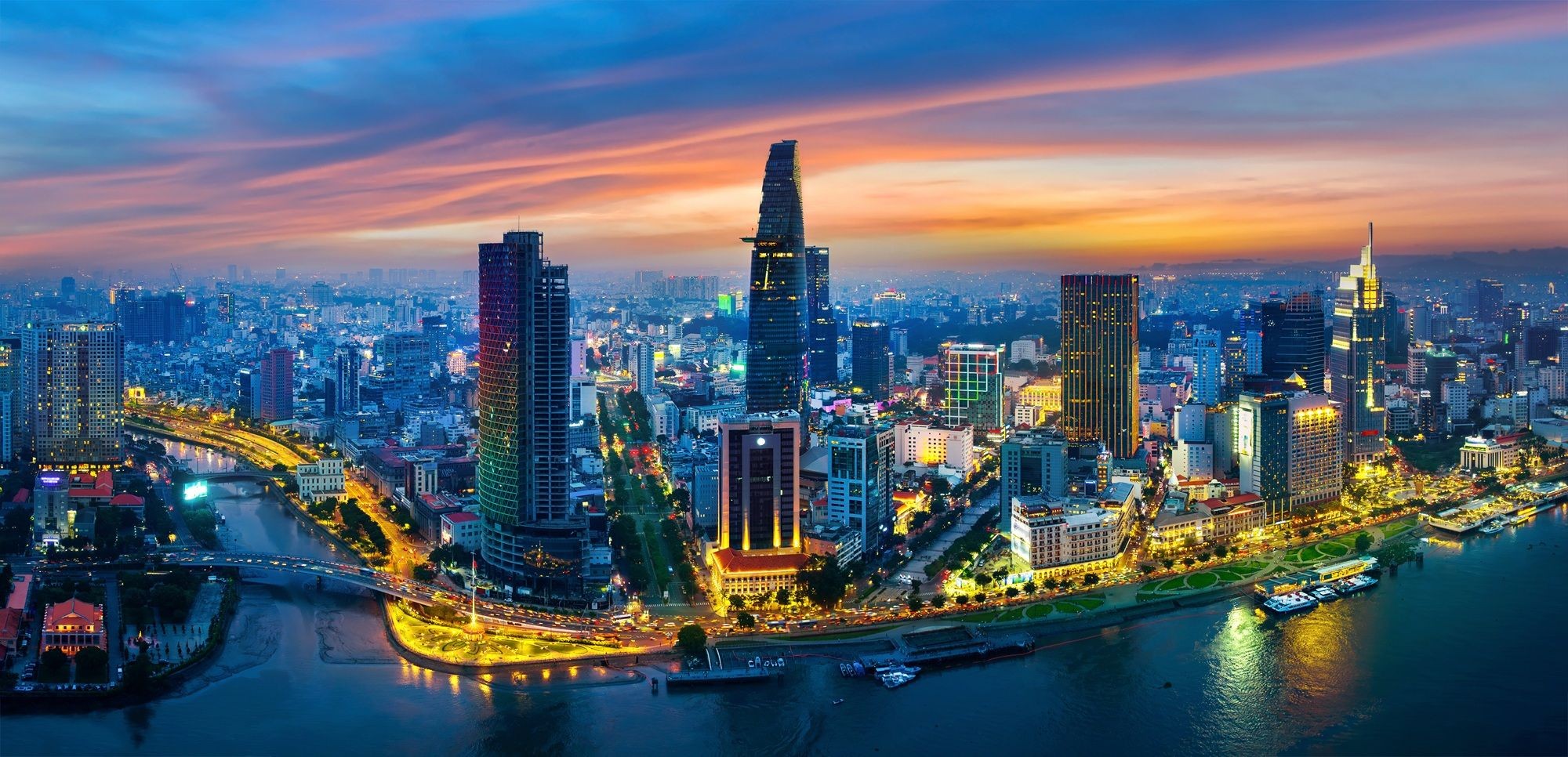
How does one of the world’s fastest-growing economies keep the lights on while rewiring its future to meet the needs and goals of a net-zero world? This is the question being asked today in Vietnam, a nation at an exciting crossroads, balancing rapid economic growth with the imperative to build a cleaner, more resilient energy system.