Article
Advanced Research

Enabling Rapid, Reliable, and Proactive Decision Making in Transmission Grids

GE Vernova Advanced Research is leading development of a first-of-its-kind multi-task, multi-interval grid operational foundation model

Share

A collaboration between: GE Vernova Advanced Research, GE Vernova Grid Software, Pacific Northwest National Laboratory (PNNL), Georgia Institute of Technology


October 2026 – GE Vernova Advanced Research is leading the development of a Dynamic Grid Foundational Model (DynaGridFM) with the purpose of transforming grid operations by providing rapid, trustworthy, and proactive decision support for orchestrating a flexible and hybrid AC/DC transmission grid with various inverter-based resources.

Article
Advanced Research

Grid Foundation Model from Research to Reality: Genesis Mission Phase II

GE Vernova Advanced Research will collaborate to develop and validate a grid foundation model that can rapidly simulate scenarios for grid planning and reliable operations.

Share

A collaboration between: Brookhaven National Laboratory (prime), GE Vernova Advanced Research, and more than 25 industry, academia, and government institutions 
 

Article
Advanced Research

Leveraging AI to Reduce Nuclear Reactor Deployment Times and Operating Costs
The Prometheus project aims to reduce nuclear reactor deployment times and operating costs

Share

A collaboration between: Idaho National Laboratory (prime) and 32 industry, academia, and government institutions, including GE Vernova Advanced Research and GE Vernova Hitachi Nuclear Energy
 

Article
Advanced Research

Creating a Surrogate Modeling Workflow to Reduce the Design Cycle Time of Wide-Bandgap Power Modules

GE Vernova Advanced Research is using AI to help accelerate the development of wide-bandgap power modules for high efficiency energy systems.

Share

A collaboration between: Stony Brook University, GE Vernova Advanced Research, and Sandia National Laboratories

Article
Advanced Research

Leveraging AI to Manufacture High-Performance Magnets

GE Vernova Advanced Research is lending its expertise in artificial intelligence and machine learning to accelerate domestic magnet manufacturing.

Share

A collaboration between: Rensselaer Polytechnic Institute (RPI), GE Vernova Advanced Research, and Ames National Laboratory
 

July 2026 – GE Vernova Advanced Research will lend its expertise in artificial intelligence, machine learning (AI/ML), and advanced manufacturing methods as a collaborator with Ames National Laboratory in a newly funded project led by Rensselaer Polytechnic Institute (RPI).

Article
Advanced Research

Developing and Evaluating an AI-Driven Framework for Manufacturing Fiber-Reinforced Polymer Composites

GE Vernova Advanced Research is leveraging digital twin technology to build a predictive, controlled environment for manufacturing fiber-reinforced polymer composites.

Share

A collaboration between: The University of Delaware and GE Vernova Advanced Research

Article
Accelerators

Transforming Rotating Machinery Blade Design with AI
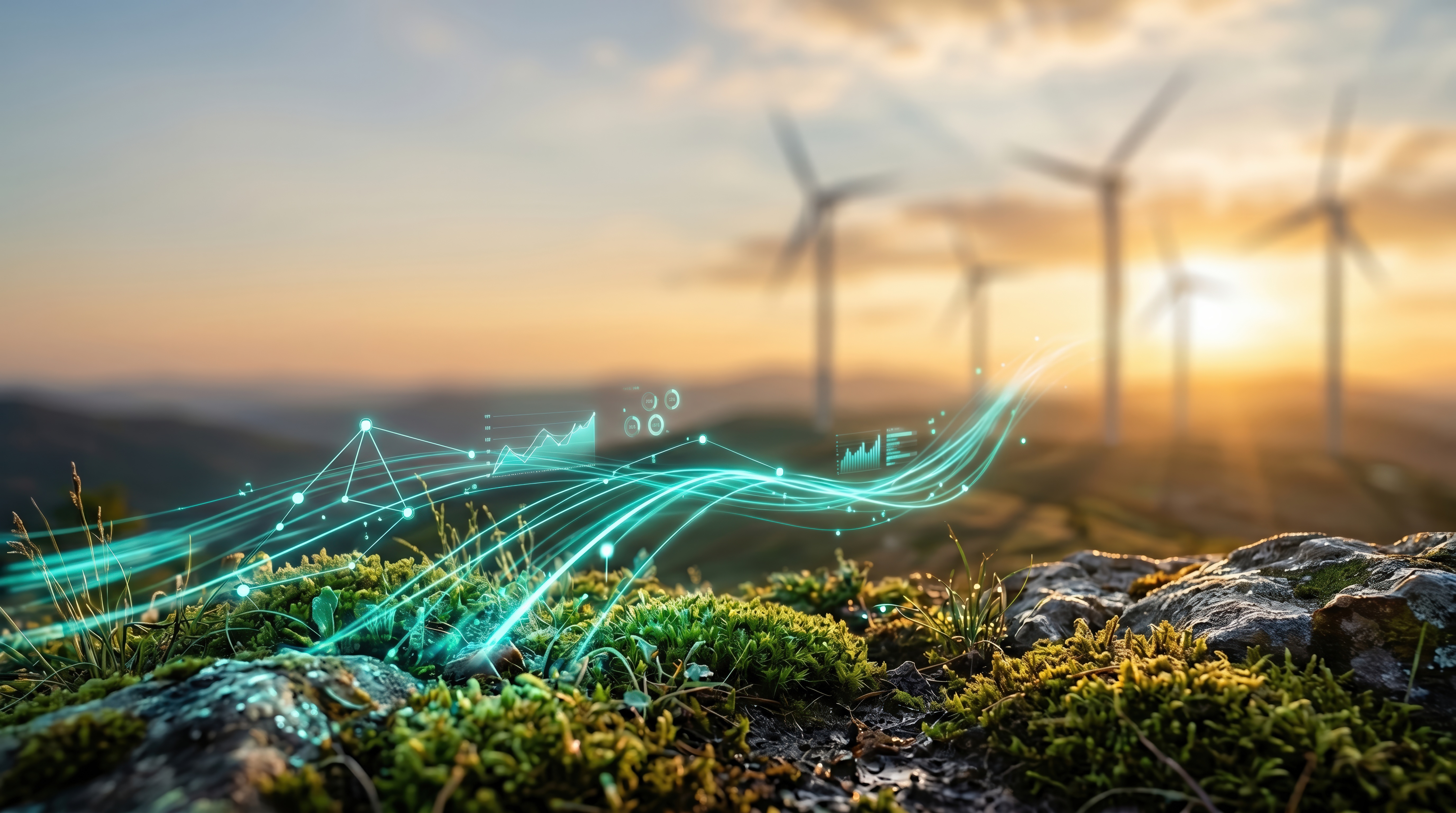
Visual representation of how AI will transform the design process for rotating machinery blades, including wind turbine blades

Share

A collaboration between: GE Vernova Advanced Research, Massachusetts Institute of Technology (MIT), University of Maryland College Park

Article
Innovation

Expert Vision: How a GE Vernova Engineer Uses AI to See the Invisible
Amy Merrick
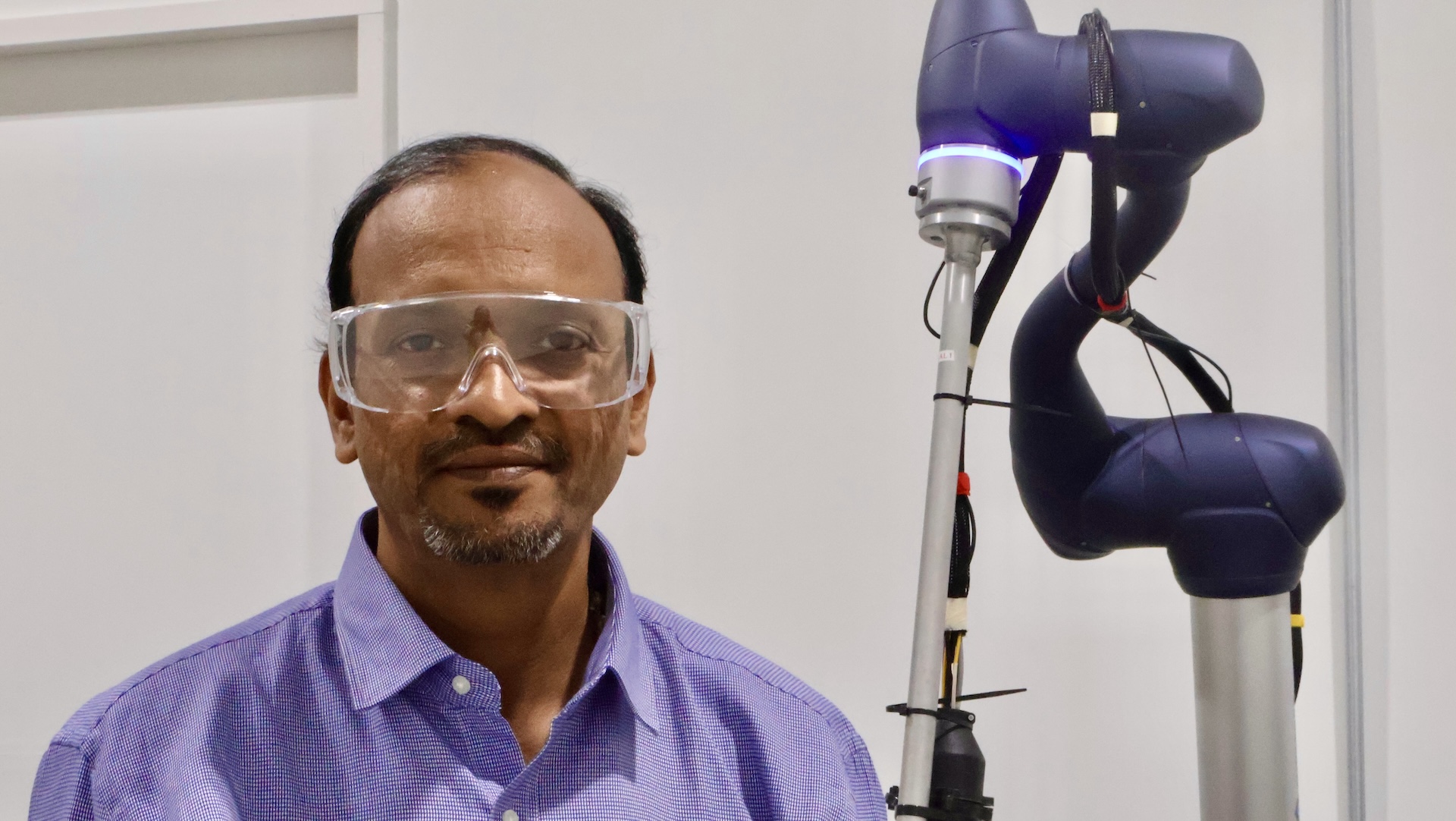
Sivaramanivas Ramaswamy standing next to a tool that helps with nondestructive evaluation of of wind turbines
Sivaramanivas Ramaswamy and his team at the Advanced Research Center develop nondestructive technologies that detect hidden damage without cutting equipment open. Images credit: GE Vernova

Share

As the global energy transition accelerates, maintaining the long-term stamina of critical infrastructure like wind turbines requires being able to spot hidden risks before they can become failures. Proactively protecting these systems means uninterrupted energy for neighborhoods, smarter and safer environments for inspectors, and lower operational costs.

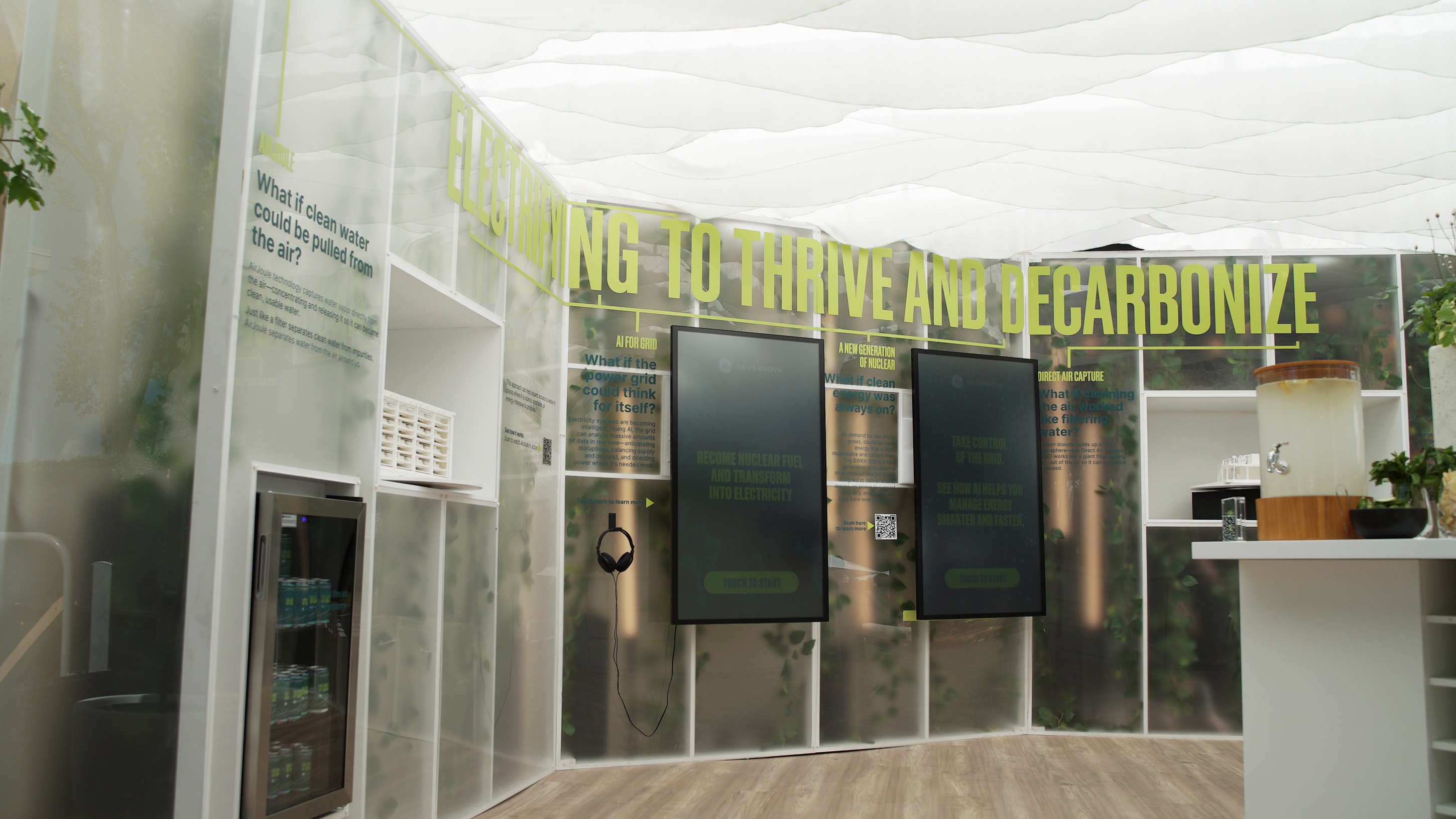
Display at Aspen Ideas Festival
Article
People

Modeling the Energy Transition: How Engineer Melanie Li Sing How Tackles Tomorrow’s Challenges
Amy Merrick
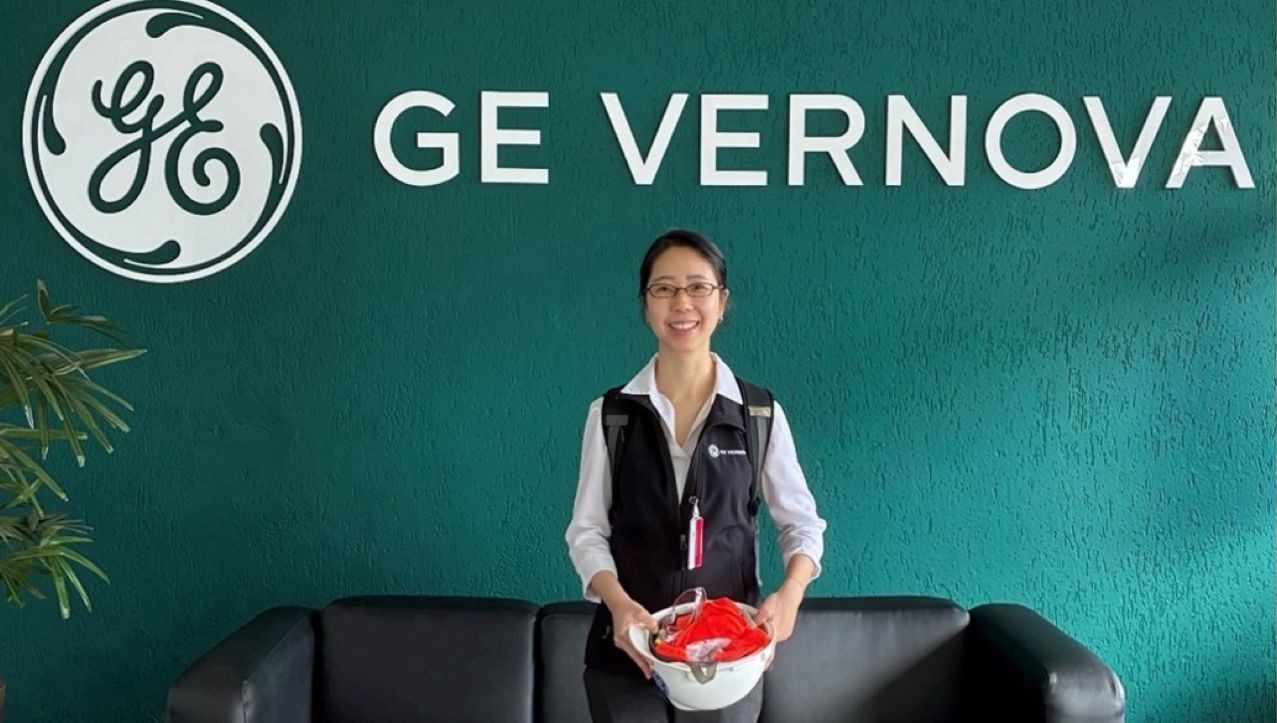
Melanie Li Sing How, an aerodynamics and thermosciences engineer at the GE Vernova Advanced Research Center, poses with her white hard hat in front of a green GE Vernova sign
Aerodynamics and thermosciences engineer Melanie Li Sing How at a robotics genba walk at the Power Transmission site in Itajubá, Brazil. Her work at the GE Vernova Advanced Research Center spans decarbonization, renewable energy, and electrification. Images courtesy of Melanie Li Sing How

Share

Meeting the urgent challenge of the global energy transition requires solving massive infrastructure hurdles at unprecedented speed. It means mastering the invisible forces that dictate performance: the airflow around wind turbine blades, the effect of moisture trapped inside a power transformer, the change of phase from liquid to gas within a small modular nuclear reactor.